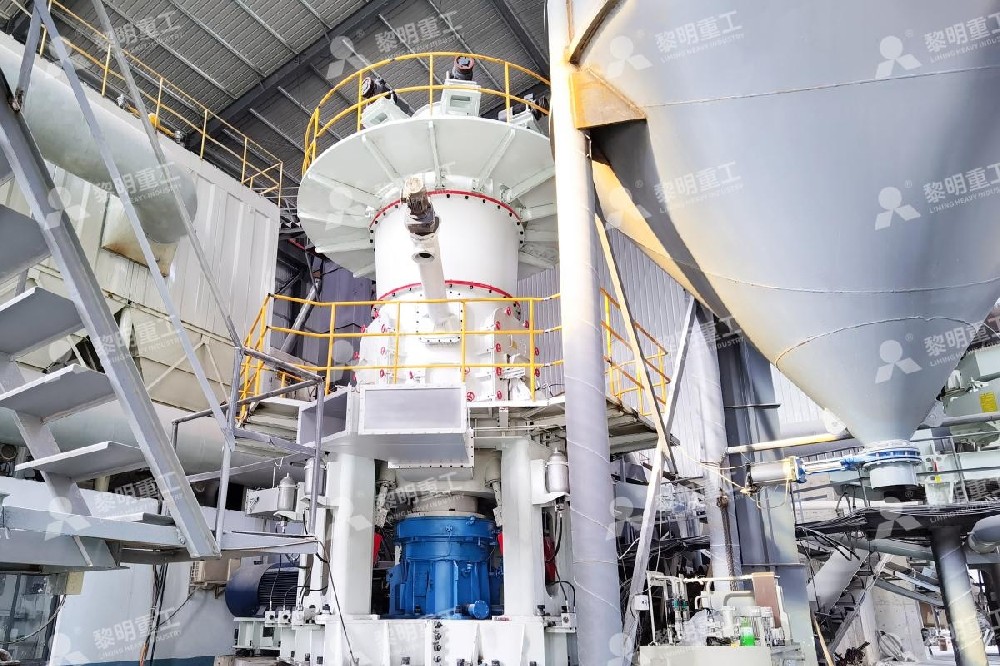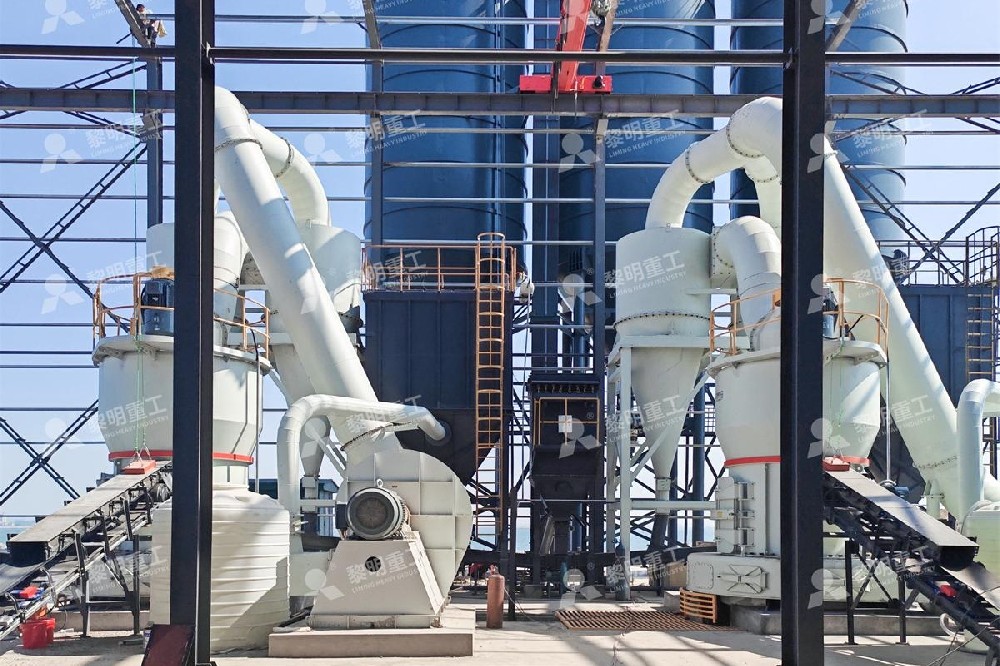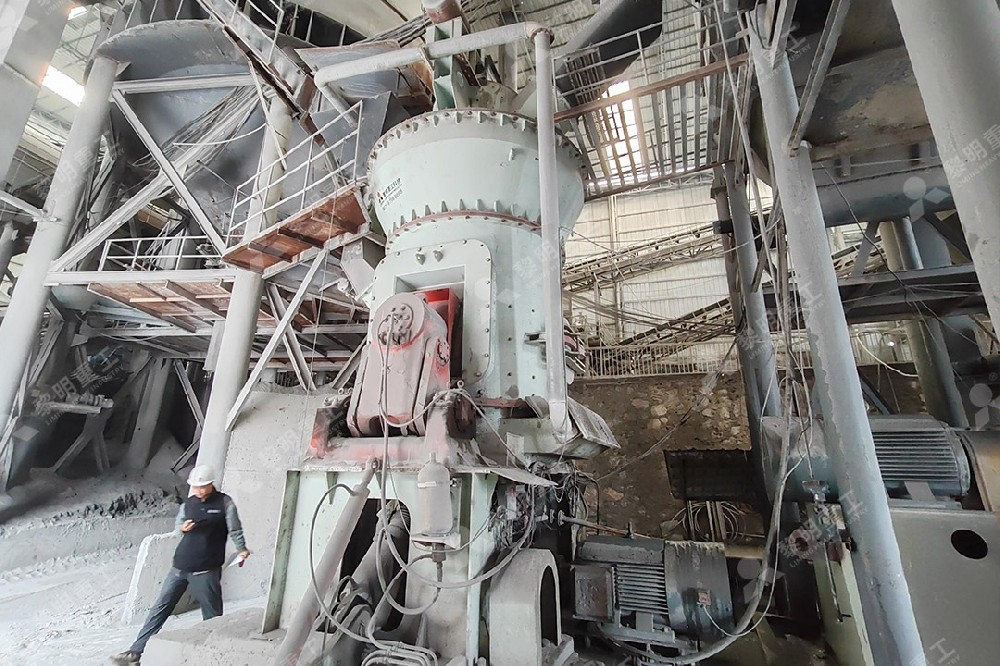
Dust control is the core link for environmental compliance in barite grinding production lines, and is also the main reason many projects face production restrictions and fines. Barite dust has high density, strong abrasiveness, and high difficulty in fugitive emission control, making it difficult for traditional simple dust collection solutions to stably meet standards. Liming Heavy Industry Co., Ltd. (referred to as Liming), drawing on environmental design experience from hundreds of non-metallic mineral powder production lines, systematically analyzes dust control solutions and negative pressure dust collection system design points for barite grinding production lines.
1. Dust Source Analysis for Barite Grinding Production Lines
Barite grinding production lines have many dust generation points and large dust generation volumes. To achieve effective control, all dust generation links must first be accurately identified. A complete barite grinding production line's main dust generation points include:
- Crushing link: Jaw crusher inlet and outlet, cone/impact crusher inlet and outlet, high dust concentration and coarse particles
- Conveying link: Elevator inlet/outlet, belt conveyor transfer points, air conveying chute interfaces, strong continuous dust generation
- Grinding link: Grinding main machine inlet, inspection door, cylinder seal, the core dust generation point with high dust concentration and fine particles
- Classification link: Classifier inlet/outlet, coarse powder return outlet, high dust concentration and fineness
- Dust collection link: Pulse dust collector ash discharge outlet, ash conveying equipment interface, poor sealing causes secondary dust raising
- Storage and packaging: Finished product silo breathing outlet, packaging machine bagging outlet, ton bag filling outlet, concentrated dust generation and high dust concentration at operation positions
Characteristics of barite dust: true density 4.5 g/cm³, bulk density 1.8-2.2 g/cm³, heavier than general mineral dust with fast settling velocity, but ultra-fine powder (-10 μm) generated by grinding can still remain suspended in air for a long time, causing great harm to human health and the environment.
2. Dust Emission Environmental Standards
| Standard Type | Emission Concentration Limit | Applicable Scope | Implementation Requirements |
|---|---|---|---|
| GB 16297-1996 Comprehensive Emission Standard of Air Pollutants | ≤120 mg/m³ (new pollution sources) | Nationwide | Minimum requirement, most regions have implemented stricter standards |
| Special emission limits for key regions | ≤30 mg/m³ | Key regions such as Beijing-Tianjin-Hebei, Yangtze River Delta, Fenwei Plain | New projects must implement, existing projects have deadline for retrofitting |
| Local ultra-clean emission standards | ≤10 mg/m³ | Some provinces and cities (such as parts of Shandong, Henan, Guangdong) | Implemented according to local environmental protection department requirements |
| Workshop fugitive emission | ≤0.5 mg/m³ (workplace time-weighted average) | GBZ 2.1-2019 Occupational Exposure Limits for Hazardous Factors in Workplace | Dust concentration at operator breathing zone in workshop |
Liming recommends: The dust collection system for barite grinding production lines should be designed to the ultra-clean emission standard of ≤10 mg/m³. Although the initial investment increases by approximately 15%-20%, it can avoid secondary retrofitting caused by future environmental standard upgrades, making it more economical in the long run.
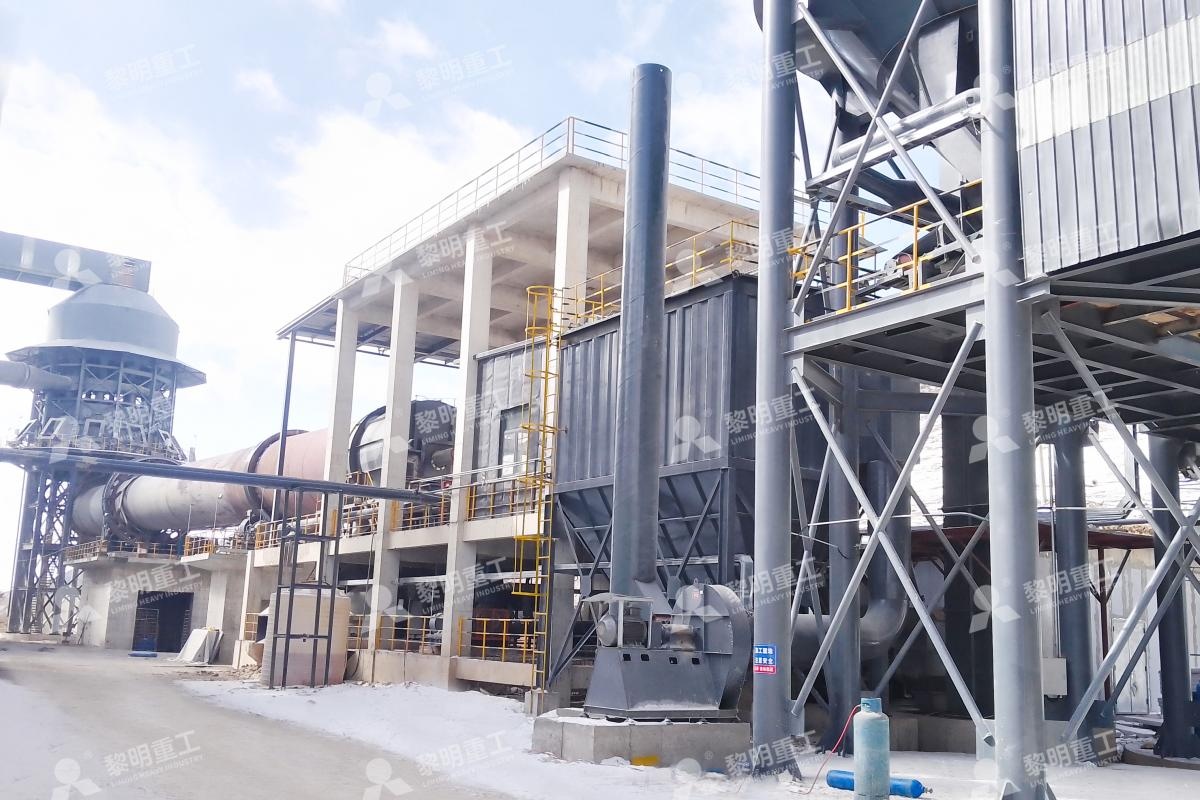
3. Negative Pressure Dust Collection System Design Plan
Negative pressure dust collection is the core technical route for dust control in barite grinding production lines. By operating the entire production system under negative pressure, it ensures dust does not escape from equipment gaps. The system design includes the following core parts:
3.1 Dust Collection Hood Design at Dust Generation Points
All dust generation points must be equipped with enclosed dust collection hoods. Design principles for dust collection hoods:
- Crusher inlet/outlet uses semi-enclosed dust collection hood, with hood opening velocity controlled at 1.5-2.0 m/s
- Elevator inlet/outlet uses flange-connected enclosed dust collection, with interface velocity 2-3 m/s
- Grinding main machine is fully enclosed, inspection doors use double-layer sealing strips, with internal main machine maintaining -500 to -1000 Pa negative pressure
- Finished product silo top is equipped with silo-top dust collector or connected to central dust collection system, with breathing outlet velocity 1-1.5 m/s
- Packaging machine uses enclosed packaging, with dust collection hood above the bagging outlet, hood opening velocity 2-3 m/s
3.2 Dust Collection Pipeline Design
- Pipeline velocity: Barite dust has high density, horizontal pipeline velocity ≥18 m/s, vertical pipeline ≥16 m/s, to prevent dust sedimentation and blockage
- Pipeline material: Use carbon steel pipes with thickness ≥3mm, with thickened or wear-resistant liners at elbows
- Pipeline layout: Minimize elbows and tees, with elbow curvature radius ≥1.5 times pipe diameter
- Pipeline slope: Horizontal pipeline slope ≥3°, sloping toward the dust collector, with ash cleaning outlet at the lowest point
- Airflow balance: Each branch pipe is equipped with a regulating valve to ensure each dust collection hood reaches the designed airflow
3.3 Pulse Bag Dust Collector Selection
Pulse bag dust collectors are the first-choice dust collection equipment for barite grinding production lines. Selection points:
| Item | Selection Parameter | Description |
|---|---|---|
| Handling airflow | Total dust generation airflow × 1.2 coefficient | Reserve airflow margin to ensure stable system negative pressure |
| Filtration velocity | 0.8-1.2 m/min | Barite dust has strong abrasiveness, low velocity extends filter bag life |
| Filtration area | Handling airflow ÷ filtration velocity ÷ 60 | Calculated based on actual filtration area (excluding ash cleaning area) |
| Filter media material | Membrane-coated polyester needle felt or PPS membrane-coated filter media | Membrane-coated filter media surface filtration, emission concentration ≤10 mg/m³ |
| Ash cleaning method | Online pulse jet or offline pulse jet | Large dust collectors recommend offline ash cleaning for more thorough cleaning |
| Equipment resistance | 1200-1500 Pa | Excessive resistance indicates filter bag blockage or poor ash cleaning |
3.4 Fan Selection
- Fan airflow: Dust collector handling airflow × 1.1 (considering pipeline air leakage)
- Fan pressure: System total resistance (pipeline + dust collector + dust collection hood) × 1.2 safety factor
- Fan type: Use high-pressure centrifugal fans, with barite dust collection system pressure typically 3000-5000 Pa
- Fan motor: Use variable-frequency motors, which can automatically adjust airflow based on system negative pressure, saving 15%-30% energy
- Fan arrangement: After the dust collector (suction type), with purified gas discharged through the fan to avoid dust wearing the fan impeller
4. Dust Collection System Configuration Reference for Different Scale Production Lines
| Production Line Scale | Dust Collector Specification | Filtration Area | Fan Power | Investment Reference |
|---|---|---|---|---|
| Small (5-10 t/h) | PPC64-4 pulse dust collector | Approximately 180 m² | 15-22 kW | RMB 80,000-150,000 |
| Medium (20-30 t/h) | PPC96-6 pulse dust collector | Approximately 420 m² | 37-55 kW | RMB 200,000-350,000 |
| Large (above 50 t/h) | PPC128-8 or custom large dust collector | Approximately 800-1500 m² | 75-132 kW | RMB 500,000-1,000,000 |
Note: The above are investment references for central dust collection systems, excluding pipeline, dust collection hood, and installation costs. Liming can customize dust collection system design plans based on the actual layout of the production line, ensuring all dust generation points are effectively covered and emissions stably meet standards.
5. Fugitive Emission Control Measures
In addition to organized emissions (dust collector exhaust stack), fugitive dust in the workshop is also a key focus of environmental inspections. Control measures include:
- Fully enclosed production: All equipment interfaces, inspection doors, and observation holes are sealed with sealing strips, and belt conveyors are equipped with enclosed covers to reduce dust escape
- Workshop overall ventilation: The workshop is equipped with an overall ventilation and dust collection system, with air exchange rate ≥6 times/hour, ensuring workshop dust concentration ≤0.5 mg/m³
- Wet cleaning: Floors are cleaned by wet cleaning or industrial vacuum cleaners, with compressed air blowing prohibited to avoid secondary dust raising
- Enclosed storage and conveying: Raw materials and finished products are stored in enclosed silos, with conveying using enclosed belts, elevators, or air slides, with open-air stacking and open conveying strictly prohibited
- Online monitoring: The workshop is equipped with online dust concentration monitors, and the exhaust stack is equipped with a CEMS continuous emission monitoring system, with data uploaded to environmental protection departments in real time
- Personal protection: Operators wear dust masks meeting KN95 standards, with regular occupational health examinations
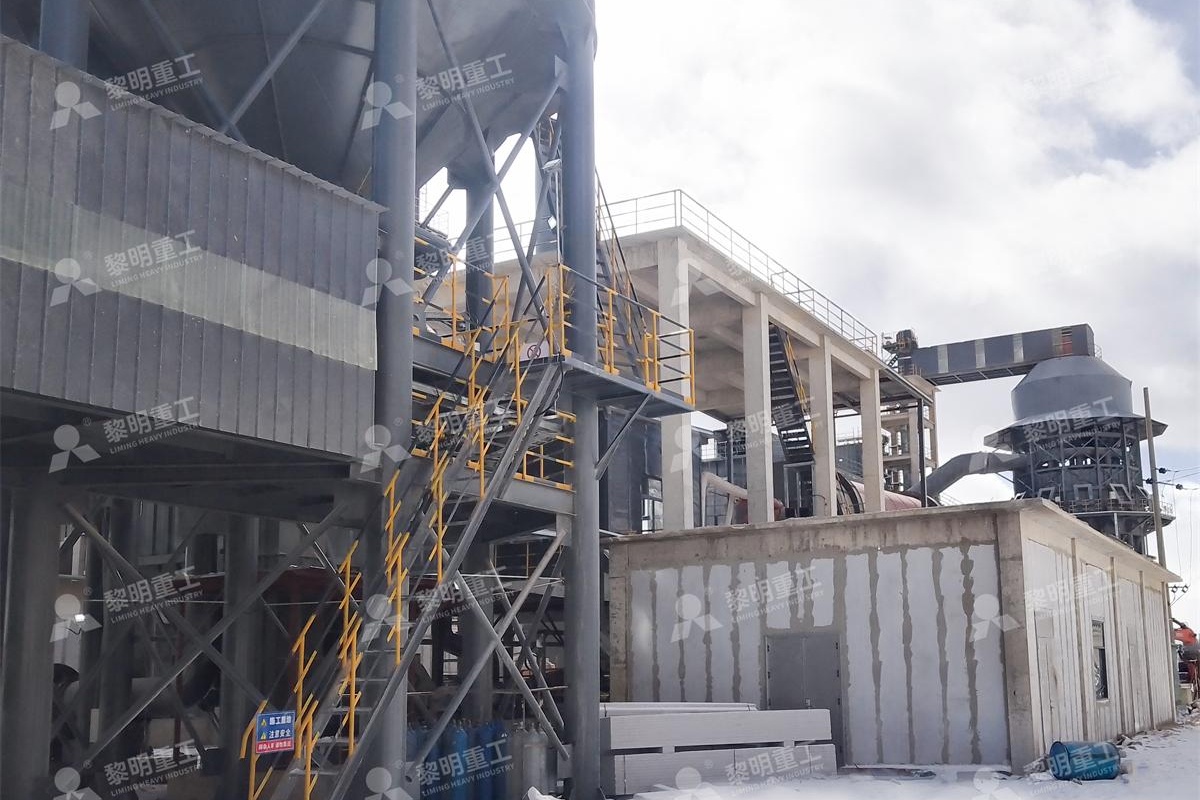
6. Daily Maintenance Points for Dust Collection Systems
- Check dust collector pressure difference daily, normal range 1200-1500 Pa, promptly clean ash or inspect filter bags when pressure difference is too high
- Check pulse valve jetting condition weekly, promptly replace when solenoid valve failure or insufficient jetting pressure is found
- Check filter bag damage monthly, promptly replace broken bags to avoid dust short-circuit emission
- Check pipeline wear quarterly, with key inspection at elbows and tees, promptly repair welding when wear-through is found
- Check fan impeller wear and vibration semi-annually, promptly perform dynamic balance correction
- Conduct a comprehensive inspection of the entire dust collection system annually, including emission concentration, airflow, negative pressure, and sealing condition
7. Frequently Asked Industry Questions
Q1: What is the dust emission standard for barite grinding production lines?
A: According to China's Comprehensive Emission Standard of Air Pollutants (GB 16297-1996), the maximum allowable emission concentration of particulate matter is 120 mg/m³ (new pollution sources), with key regions implementing a stricter 30 mg/m³. Some provinces and cities have issued local standards requiring industrial dust emissions ≤10 mg/m³ (ultra-clean emission). Barite grinding production lines should be designed to a standard no lower than 30 mg/m³, with key regions configured for 10 mg/m³.
Q2: What dust collector works best for barite grinding workshops?
A: Pulse bag dust collectors are the first choice for barite grinding production lines, with filtration efficiency ≥99.9% and outlet emission concentration stably controlled below 10 mg/m³. The dust collector filter media should be membrane-coated polyester needle felt or PPS membrane-coated filter media. For the characteristics of barite dust with high density and strong abrasiveness, the filtration velocity should be controlled at 0.8-1.2 m/min to avoid excessive velocity causing rapid filter bag wear and emission exceedance.
Q3: How to design negative pressure dust collection for barite grinding production lines?
A: The core of negative pressure dust collection system design is to operate the entire production line under negative pressure so that dust does not escape. Design points: First, all dust generation points (crusher openings, elevator inlet/outlet, grinding main machine, classifier, finished product silo, packaging machine) must be equipped with dust collection hoods. Second, the dust collector fan selection airflow should be 1.2 times the total dust generation airflow to ensure system negative pressure. Third, pipeline velocity should be controlled at 18-22 m/s to prevent dust sedimentation and blockage. Fourth, the dust collector is arranged at the end of the production line, with purified gas discharged at height or reused.
Q4: How to control fugitive dust in barite grinding workshops?
A: Control measures for fugitive dust (dust弥漫 in the workshop): First, fully enclosed production line, with equipment interfaces and inspection doors sealed with sealing strips. Second, the workshop is equipped with an overall ventilation and dust collection system, with air exchange rate ≥6 times/hour. Third, regular floor watering or wet cleaning, avoiding secondary dust raising. Fourth, raw materials and finished products are stored in enclosed silos, with conveying using enclosed belts or air slides. Fifth, operators wear dust masks, and the workshop is equipped with online dust concentration monitors.
Q5: How often should filter bags of barite grinding dust collectors be replaced?
A: Barite dust has relatively strong abrasiveness, and the normal service life of pulse bag dust collector filter bags is approximately 18-24 months. If the filtration velocity is too high (>1.5 m/min) or dust concentration is too high, filter bag life may be shortened to within 12 months. Using membrane-coated polyester needle felt filter media extends life by 30%-50% compared to ordinary filter media. In daily maintenance, regularly check the pressure difference, and promptly clean ash or inspect filter bag damage when the pressure difference exceeds 1500 Pa.