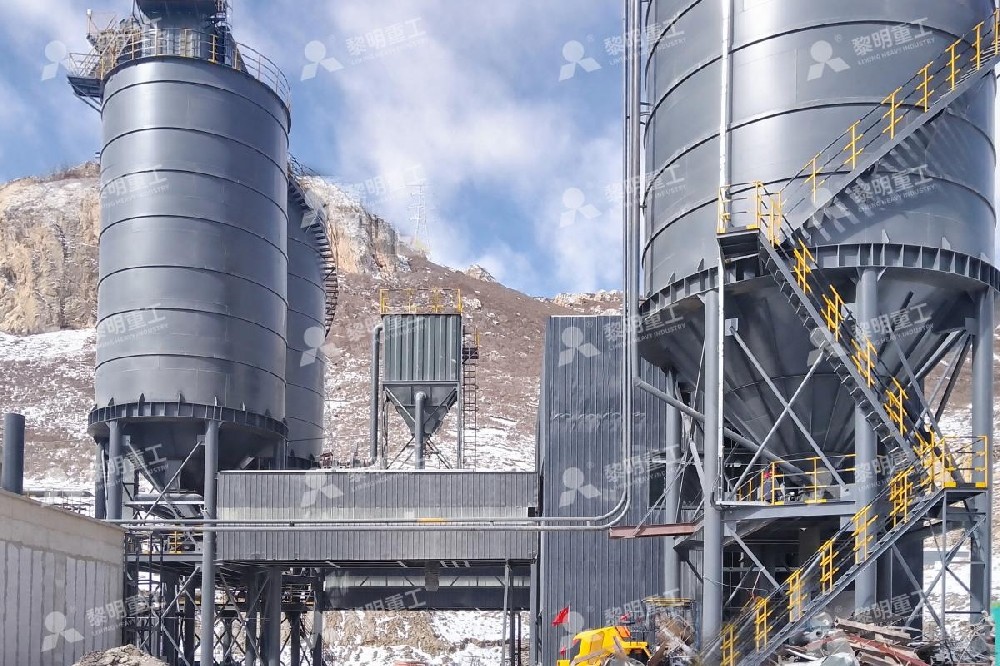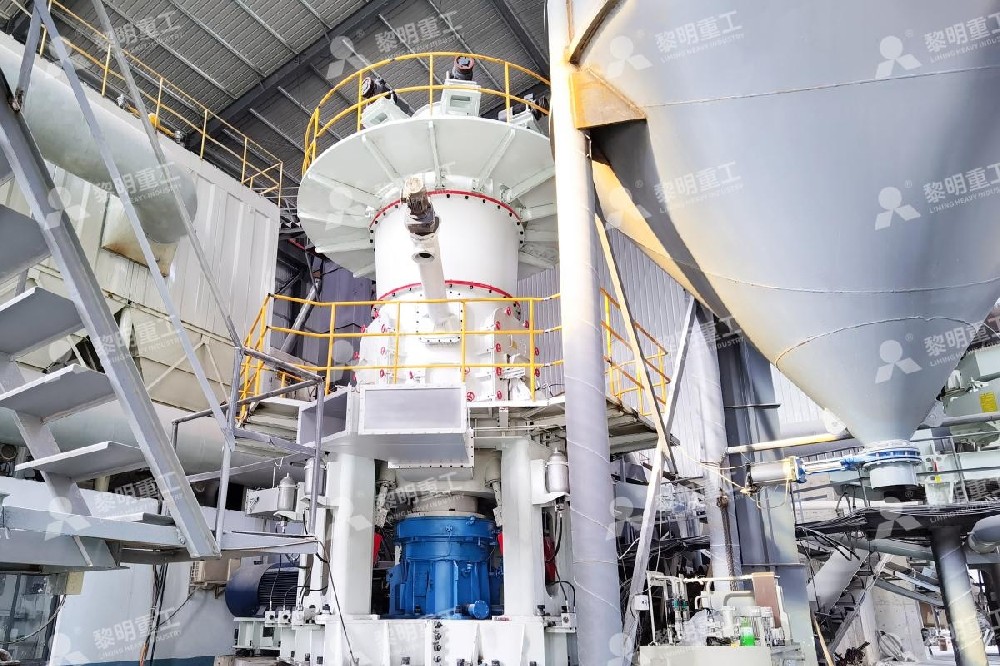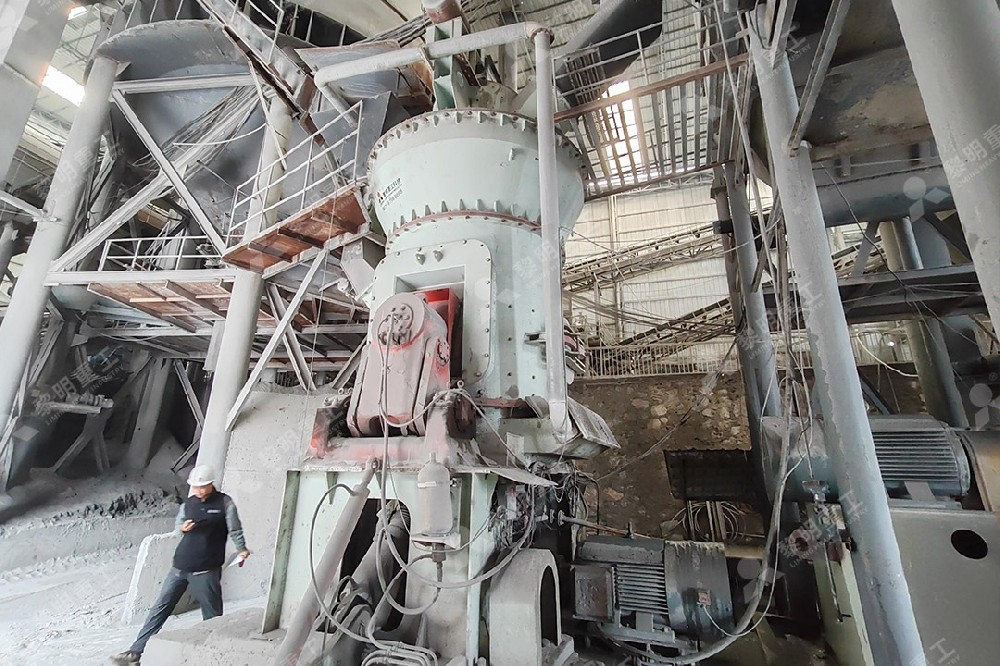
325-mesh barite powder is the mainstream specification for oil & gas drilling mud weighting agents, with global annual consumption exceeding 10 million tons, making it the largest application field for barite deep processing. However, much of the 325-mesh barite powder produced by mines can only be used for ordinary fillers, failing to meet API drilling-grade standards, with price differences of up to 30%-50%. Liming Heavy Industry Co., Ltd. , drawing on experience from multiple overseas oil & gas supporting barite projects, systematically analyzes API drilling-grade quality standards and 325-mesh grinding process control points.
1. Core Quality Standards for API Drilling-Grade Barite Powder
API Spec 13A is the internationally accepted specification for drilling fluid materials, with strict requirements for barite powder indicators including density, fineness, viscosity effect, moisture, and heavy metals. Barite powder meeting API standards can be directly used in oil & gas drilling mud, with selling prices and market recognition far exceeding ordinary industrial-grade barite powder.
| Test Item | API Spec 13A Standard Requirement | Test Method | Process Control Points |
|---|---|---|---|
| Density | ≥4.20 g/cm³ (standard grade); ≥4.35 g/cm³ (high-density grade) | Pycnometer method / densitometer method | Raw ore BaSO4 grade ≥90%, remove associated low-density minerals |
| Fineness (200-mesh residue) | ≤3% (i.e., ≥97% passing 75 μm sieve) | Wet sieving method | Precise control of classifier speed, avoid coarse particle escape |
| Fineness (325-mesh residue) | ≤10%-15% (i.e., ≥85% passing 45 μm sieve) | Wet sieving method | Match grinding pressure and classifier, reduce over-coarse and over-fine |
| Plastic viscosity increase | ≤10 mPa·s | Six-speed rotational viscometer | Control ultra-fine powder (-2 μm) content, avoid excessive viscosity |
| Yield point increase | ≤12 Pa | Six-speed rotational viscometer | Control soluble salts and clay impurity content |
| Moisture content | ≤0.5% | Oven drying method | Raw ore moisture content ≤8% before grinding, finished product silo moisture-proof |
| Mercury (Hg) | ≤1 mg/kg | Atomic fluorescence spectrometry | Test when purchasing raw ore, high-mercury ore needs blending dilution |
| Cadmium (Cd) | ≤3 mg/kg | Atomic absorption spectrometry | Raw ore composition testing, avoid high-cadmium mining areas |
| Arsenic (As) | ≤10 mg/kg | Atomic fluorescence spectrometry | Raw ore composition testing, high-arsenic ore needs blending or impurity removal |
2. 325-Mesh Barite Grinding Process Flow
The core of producing API-grade 325-mesh barite powder is not simply grinding finer, but controlling uniform particle size distribution, meeting density standards, and qualifying viscosity effects. The standard process flow optimized by Liming is as follows:
- Raw ore pretreatment: Raw ore is coarsely crushed to below 50 mm by a jaw crusher, then finely crushed to below 15 mm by a cone crusher or impact crusher, and sent to the raw material silo after screening. When raw ore moisture content >8%, a rotary dryer is added to reduce moisture content to below 5%.
- Quantitative feeding: A variable-frequency vibrating feeder is used to supply material to the grinding main machine at a uniform and stable rate, with feed rate fluctuation controlled within ±5%, avoiding unstable grinding pressure and particle size fluctuations caused by sudden increases or decreases.
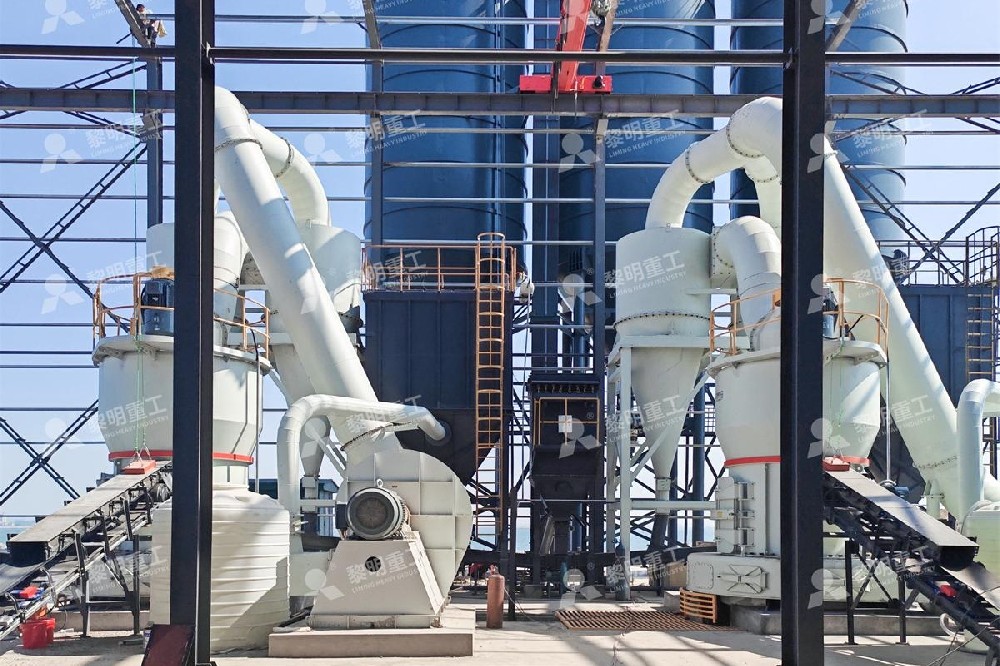
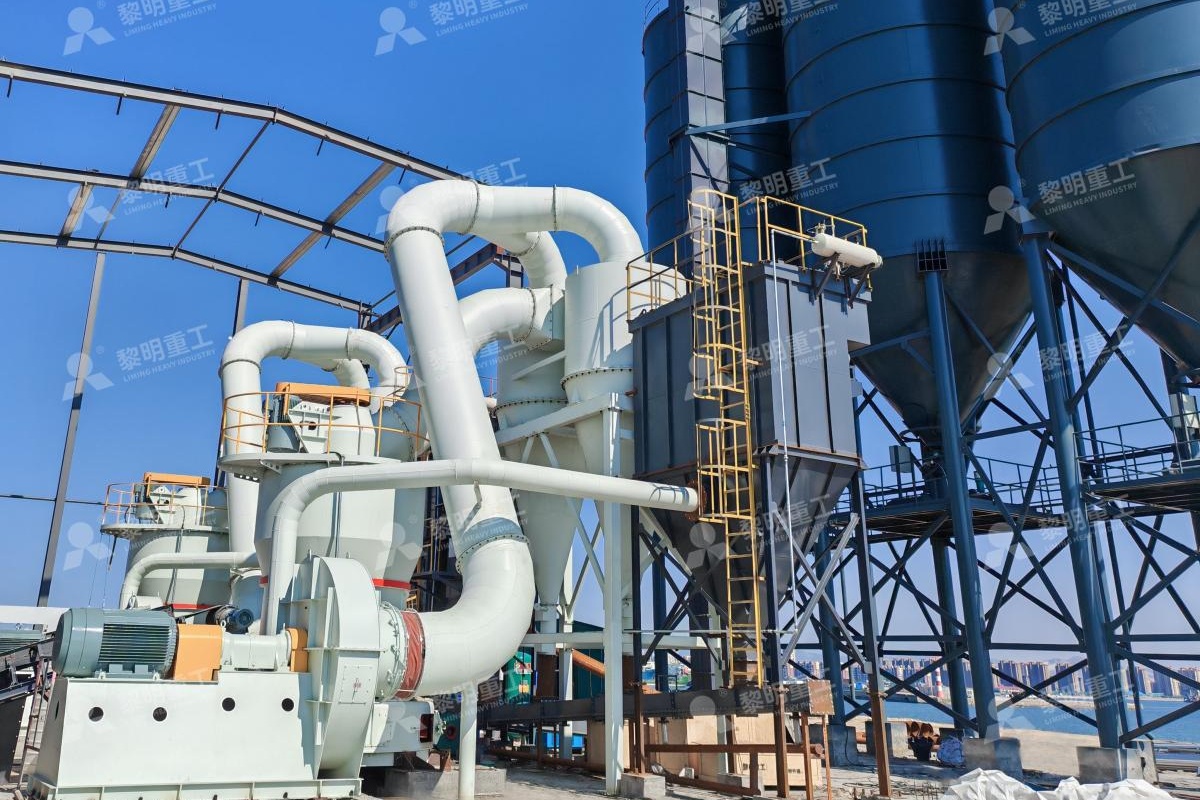
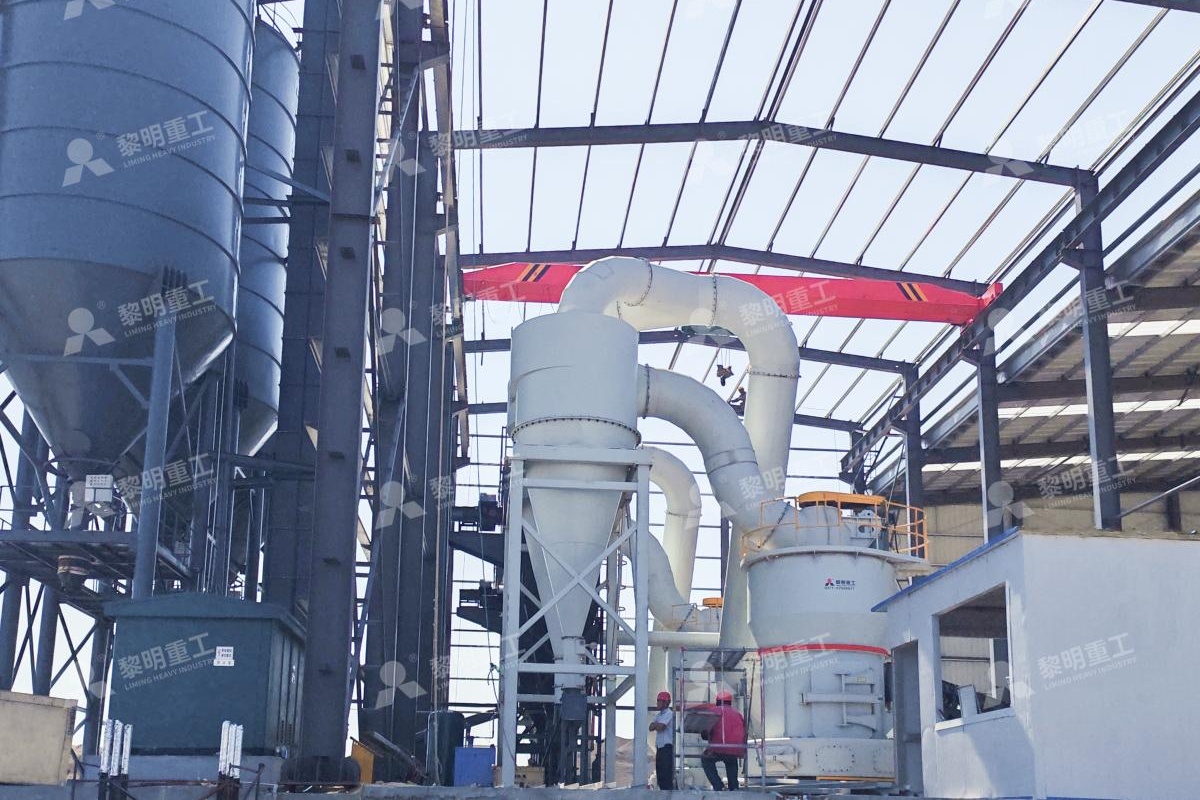
- Grinding and classification: Material enters the MTW European grinding mill main machine. After being ground by grinding rollers, it is classified by a variable-frequency classifier at the top. For 325-mesh API-grade powder, the classifier speed is set in the corresponding range. Qualified fine powder enters the collection system with the airflow, and coarse particles automatically fall back to the grinding chamber for secondary grinding.
- Finished product collection: A pulse bag dust collector is used to collect finished powder, with filtration precision ≤5 mg/m³ and collection efficiency ≥99.9%. Finished powder is sent to the finished product silo via an air conveying chute or elevator.
- Quality testing: Sample and test fineness, density, and moisture every 2 hours; test viscosity effect and heavy metals for each batch. Non-compliant products are returned for re-grinding or downgraded.
- Packaging and shipping: Qualified finished products are bagged by an automatic packaging machine (usually 50 kg/bag or 1 ton/bag), labeled with API standard grade, batch number, and test report number, and stored for shipment.
3. Key Control Points for 325-Mesh Grinding Process
3.1 Particle Size Distribution Control
API-grade barite powder is not the finer the better, but requires the particle size distribution to be concentrated in a reasonable range. D97 ≤75 μm ensures no coarse particles, D50 controlled at 15-25 μm ensures weighting efficiency, and -2 μm ultra-fine powder content controlled within 10% avoids excessive viscosity. Control methods: stable classifier speed, uniform feed rate, constant grinding pressure, avoiding alternating over-grinding and under-grinding.
3.2 Density Assurance
Density is the core indicator of API-grade barite powder, mainly determined by raw ore grade. Only raw ore with BaSO4 grade ≥90% can stably produce finished products with density ≥4.20 g/cm³. If the raw ore is associated with low-density minerals such as calcite, quartz, and fluorite, ore beneficiation (gravity separation, flotation) is needed to improve grade. Liming can provide raw ore testing and beneficiation process design to ensure finished product density meets standards.
3.3 Viscosity Effect Control
Viscosity effect is an indicator easily overlooked by many mines, directly affecting drilling fluid performance. Causes of high viscosity: First, excessive ultra-fine powder (-2 μm) content with too large specific surface area; second, excessive soluble salts (such as sodium chloride, sulfates) in raw ore; third, mechanical iron contamination during grinding. Control methods: optimize classifier to reduce ultra-fine powder, wash raw ore to remove salts, use wear-resistant liners inside equipment to reduce iron contamination.
3.4 Moisture Control
API standards require finished product moisture ≤0.5%. Excessive moisture causes powder caking and affects mud preparation. Control methods: raw ore moisture content before grinding controlled below 5%, finished product silo equipped with dehumidification devices, packaging workshop kept dry, avoiding open-air operations on rainy days.
4. Common Quality Problems and Solutions
| Quality Problem | Possible Causes | Solutions |
|---|---|---|
| 200-mesh residue exceeds standard (many coarse particles) | Classifier speed too low, classifier impeller worn, feed rate too high | Increase classifier speed, inspect and replace classifier wheel, reduce feed rate |
| Plastic viscosity exceeds standard | Excessive ultra-fine powder content, soluble salts exceed standard, mechanical iron contamination | Adjust classifier to reduce over-fine powder, wash raw ore to remove salts, inspect liner wear |
| Density fails to meet standard | Low raw ore BaSO4 grade, associated low-density minerals | Improve raw ore grade, adjust ore blending, add gravity separation/flotation impurity removal |
| Moisture exceeds standard | High raw ore moisture content, finished product silo damp, high packaging environment humidity | Add pre-drying process, dehumidify finished product silo, control humidity in packaging workshop |
| Heavy metals exceed standard | Raw ore associated with heavy metal minerals | Blend ore for dilution, beneficiation for impurity removal, change raw ore source |
5. API Certification and Market Value
Barite powder meeting API Spec 13A standards can apply for API Monogram certification. Certified products can be used in the global oil & gas market and are the threshold for entering international oilfield service company supply chains. API certification process: Product testing passes → Submit certification application → API on-site audit → After passing, issue monogram usage license, with annual re-audit. Liming can assist customers in completing production line process optimization and product testing, providing technical support for API certification.
6. Frequently Asked Industry Questions
Q1: What is the density requirement for API standard barite powder?
A: According to API Spec 13A standards, the minimum density requirement for drilling-grade barite powder is 4.20 g/cm³ (standard grade), and the high-density grade requires ≥4.35 g/cm³. In actual production, high-quality barite powder can reach a density of 4.3-4.5 g/cm³. The higher the density, the better the weighting effect and the less mud is required.
Q2: What is the D97 particle size corresponding to 325-mesh barite?
A: The standard sieve aperture corresponding to 325 mesh is 45 μm, but the D97 (97% passing particle size) of 325-mesh barite powder is typically required to be ≤75 μm, with D50 (median particle size) approximately 15-25 μm. API standards require that the proportion passing through a 200-mesh sieve (75 μm) is ≥97%, and the proportion passing through a 325-mesh sieve (45 μm) is ≥85%-90%.
Q3: What are the viscosity requirements for drilling-grade barite powder?
A: API standards require that the plastic viscosity (PV) increase of mud made from barite powder and water is ≤10 mPa·s, and the yield point (YP) increase is ≤12 Pa. Excessively high viscosity increases mud circulation resistance and reduces drilling efficiency. High viscosity is usually caused by excessive fine powder content or excessive soluble salt impurities.
Q4: Are there standard limits for heavy metal content in barite powder?
A: API Spec 13A has clear limits for heavy metals in barite powder: mercury (Hg) ≤1 mg/kg, cadmium (Cd) ≤3 mg/kg, arsenic (As) ≤10 mg/kg. These heavy metals can pollute the environment when discharged with drilling fluids. Some high-grade barite ores are associated with heavy metals, so composition testing must be conducted when purchasing raw ore.
Q5: What is the difference between ordinary barite powder and API drilling-grade barite powder?
A: The main differences are in 5 aspects: First, density — API grade ≥4.20 g/cm³, ordinary grade may be as low as 3.8-4.0. Second, fineness — API grade D97 ≤75 μm with uniform particle size distribution, ordinary grade has mixed coarse and fine particles. Third, viscosity effect — API grade strictly controls viscosity increase. Fourth, heavy metals — API grade has clear limits. Fifth, testing and certification — API grade requires third-party testing and can apply for API Monogram certification.