Iran is a global barite resource powerhouse, with proven reserves of about 100 million tons, accounting for about 26% of global total reserves, ranking among the top in the world. It is mainly distributed in Kerman, Yazd, and Khorasan provinces, with high-grade raw ore, large reserves, and easy mining. At the same time, Iran is the world's fourth largest oil reserve country and second largest natural gas reserve country. The oil and gas industry is the pillar of the national economy, with frequent oil and gas drilling activities in the Sahara Desert region, and huge demand for drilling fluid weighting barite powder, with annual demand exceeding 150,000 tons.
However, Iran's local barite processing capacity is seriously insufficient. Most mining enterprises only engage in raw ore mining and simple crushing and screening. High-quality drilling-grade powder has long been dependent on imports from China and India. International sanctions have led to poor import channels, high prices, and unstable delivery, seriously restricting Iran's oil and gas industrial development. To achieve import substitution and ensure national energy security, a subsidiary of the Iranian Mines and Mining Industries Development and Renovation Organization (IMIDRO) decided to invest in building a large barite deep processing production line. After technical and commercial comparison of multiple equipment suppliers, it finally selected large LM vertical roller mills optimized for high-grade barite, adopting a two-unit parallel scheme to achieve 120,000 TPY annual output, aiming to fully replace imports, meet domestic demand, and export to neighboring Middle Eastern countries.
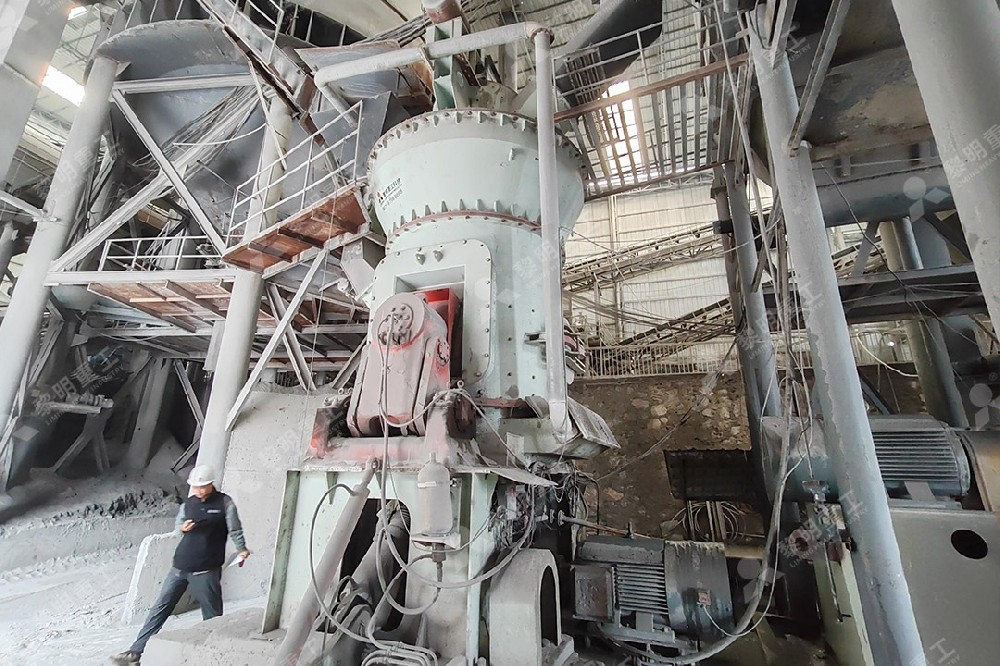
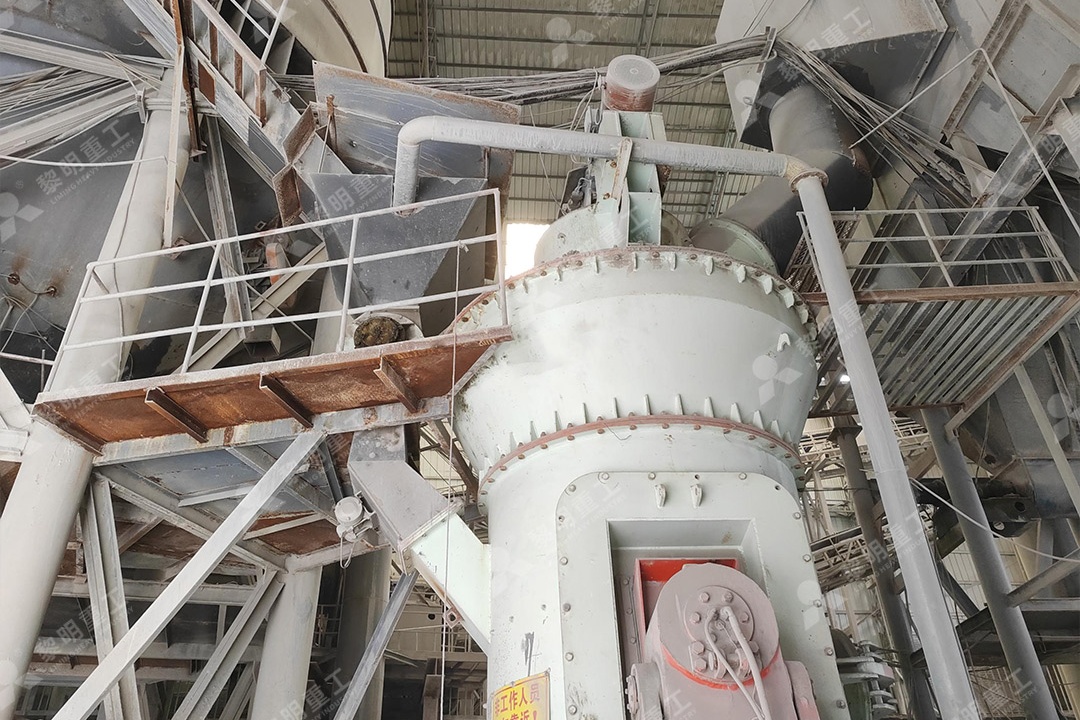
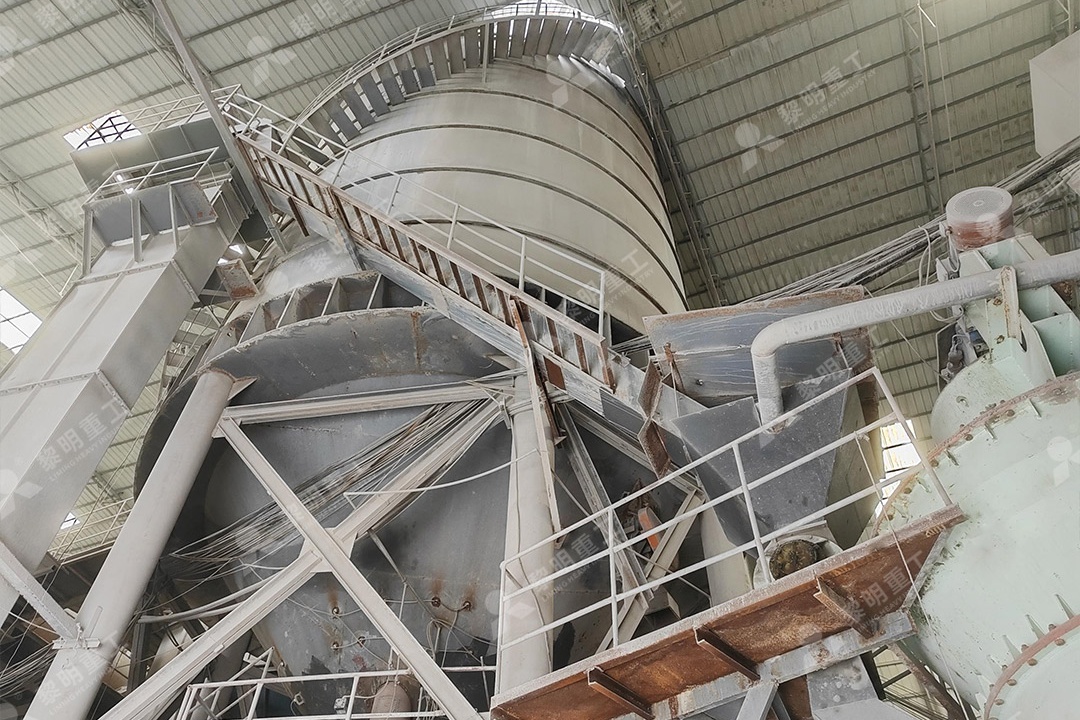
Based on the characteristics of high-grade barite (BaSO4 content 92-96%) in Kerman, Iran and the high-temperature and arid climate of the Middle East, a large two-unit parallel grinding production line is configured. The core equipment is as follows:
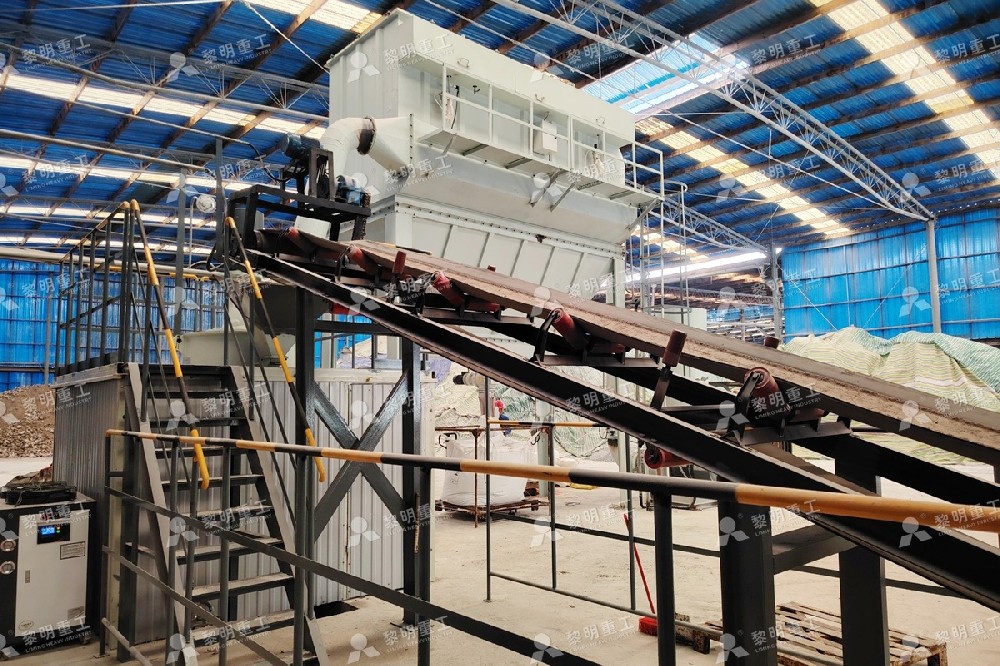
Large deep-cavity C6X jaw crusher, optimized design for high-hardness barite ore, crushing 0-45mm raw ore to 10-20mm, with large processing capacity, large crushing ratio, and uniform product particle size. Single-machine capacity meets the feed demand of two LM mills.
Bar-type vibrating feeder with pre-screening function, can pre-separate soil and fine material mixed in raw ore, reduce invalid load of the crusher, improve crushing efficiency, adapted to the characteristics of high soil content in Iranian mine raw ore.
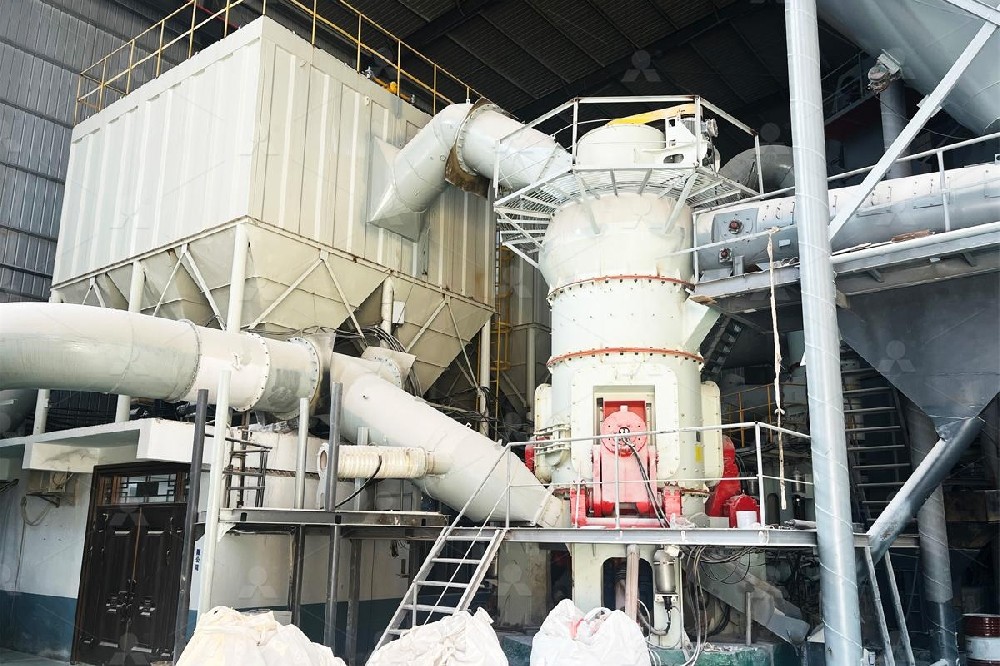
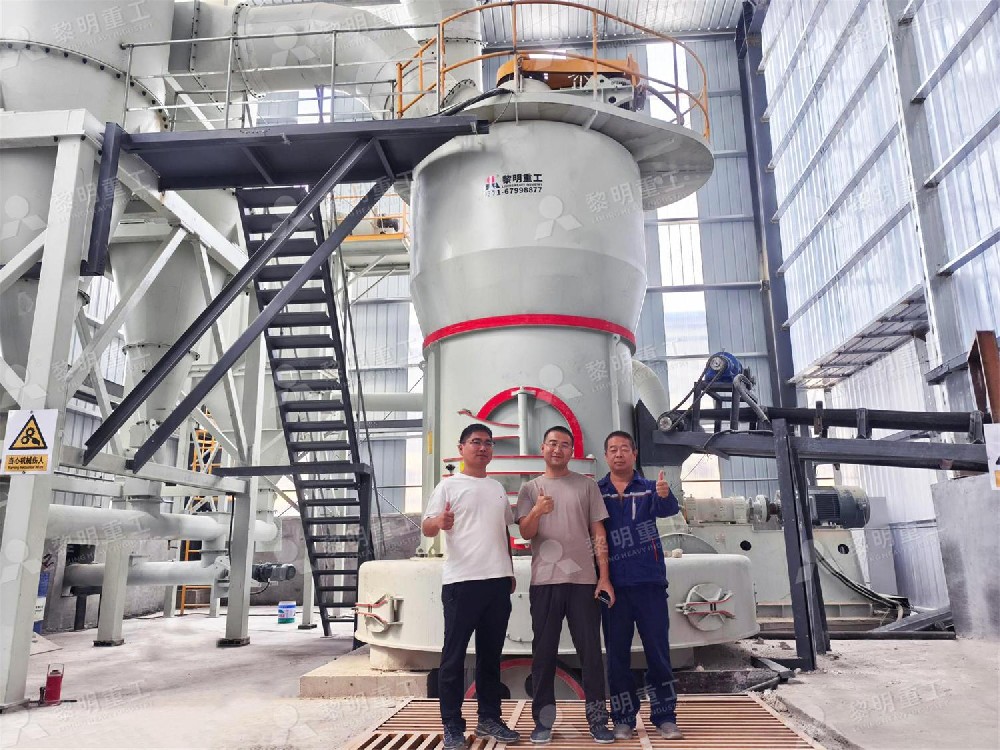
Core equipment, adopting large LM vertical roller mill, integrating crushing, drying, grinding, classification, and conveying. The grinding roller and grinding ring adopt high-manganese steel composite material, optimized grinding pressure and rotation speed for high-grade barite high hardness and high specific gravity characteristics. Single-machine capacity 18-20 tons/hour, two units in parallel with annual output of 120,000 tons. The main unit is equipped with forced air cooling system, adapted to Middle East high-temperature environment.
Variable frequency high-precision vortex classifier, high classification efficiency, accurate cutting particle size, 200-325 mesh finished product pass rate ≥98%, coarse powder automatically returns for re-grinding, zero material waste.
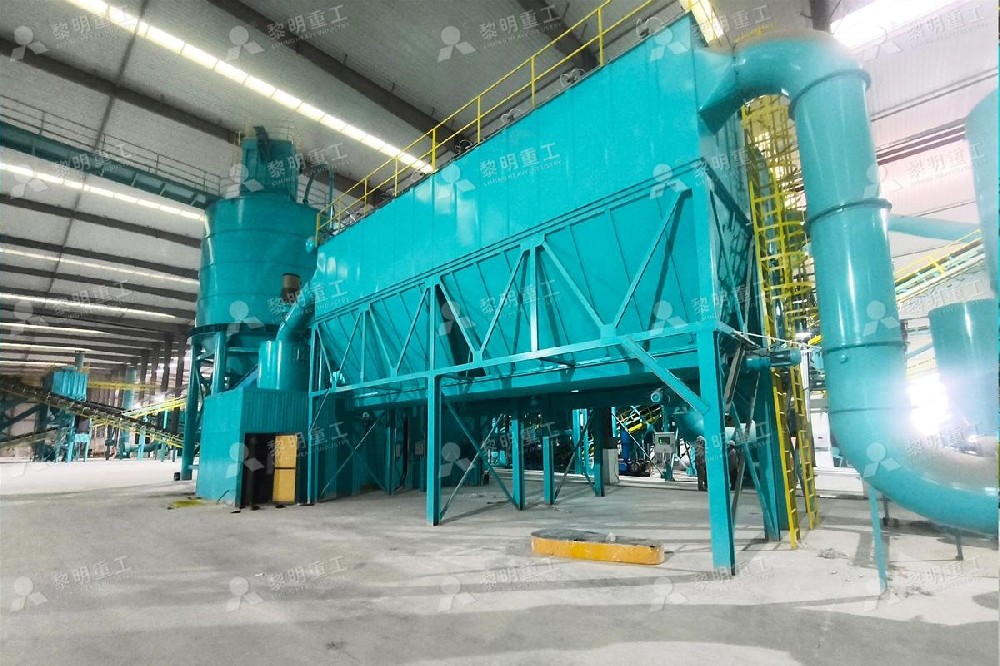
Large offline pulse dust collector, large filtration area, good ash cleaning effect, dust emission concentration below 30mg/m³, meeting Iranian environmental standards. For Middle East dusty environment, pre-dust removal device is added at the dust collector inlet.
Full-process bucket elevator + screw conveyor enclosed conveying, no material spillage, no dust overflow, adapted to Iran's dry, windy, and dusty climate conditions.
Equipped with 2 units of 1000-ton finished product storage bins, paired with fully automatic ton bag packaging machine (1 ton/bag) and valve port packaging machine (25kg/bag), adapted to large-volume oil and gas field supply and export sea freight needs.
DCS distributed control system, full-process centralized monitoring from crushing to packaging, with overload protection, automatic fault alarm, linkage start-stop, production statistics functions. One person in the central control room can monitor the entire production line operation.
The project adopts a fully dry closed-circuit grinding process, with two units in parallel, simple flow, large capacity, and strong stability. The specific process flow is as follows:
High-grade barite ore mined in the Kerman mining area is transported to the factory raw material pile by dump truck, fed into the raw material bin by loader, pre-screened by bar-type vibrating feeder, then uniformly fed into the heavy-duty C6X jaw crusher, crushed to 10-20mm uniform particle size.
Crushed qualified materials are lifted to the pre-grinding distribution bin by large bucket elevator, and evenly distributed to two LM vertical roller mills through the distributor, ensuring balanced load of both units.
Materials are quantitatively fed into the LM vertical roller mill grinding chamber by screw conveyor, pulverized into fine powder under high-pressure rolling of grinding rollers and grinding rings. The grinding pressure can be automatically adjusted according to material hardness. The main unit is equipped with forced air cooling system, ensuring stable operation in Iran's summer high-temperature environment above 45°C.
Ground powder enters the vortex classifier with the airflow. Qualified 200-325 mesh fine powder passes through the classifier wheel and enters the powder collector, while unqualified coarse powder falls back to the grinding chamber under centrifugal force for secondary grinding.
Qualified powder is collected by the cyclone powder collector through pipelines, and dusty gas enters the large pulse bag dust collector for purification. Clean air is discharged up to standard, and recovered dust is returned to the production system.
Barite powder collected from both mills is transported to the large finished product storage bin by screw conveyor. According to customer requirements, the powder is packaged by an automatic ton bag packing machine (1 ton/bag) or valve bag packing machine (25kg/bag), and then delivered directly to local oil & gas fields or exported to neighboring Middle Eastern countries via Bandar Abbas Port.
With an annual output of 120,000 tons of drilling-grade barite powder, it is the largest single barite deep processing production line in the Middle East, with production capacity leading regional peers, and can stably undertake bulk orders from NIOC and major international oil companies in Middle East oil and gas fields.
After commissioning, the project fully replaces Iran's previously imported drilling-grade barite powder from China and India, completely solving the problem of poor import channels caused by international sanctions, ensuring the safety of Iran's oil and gas drilling materials, with important national strategic significance.
Adopting two large LM vertical roller mills in parallel scheme. When one unit is under maintenance, the other can continue production, ensuring annual operating rate ≥90%, avoiding full-line shutdown caused by single-unit failure, and capacity stability is greatly improved.
The main unit is equipped with forced air cooling system, the electrical control cabinet is equipped with industrial air conditioning, the lubrication system uses high-temperature resistant synthetic lubricating oil, and the full set of equipment is specifically optimized for the Middle East extreme high-temperature environment above 45°C, enabling continuous stable operation in Iran's summer extreme high temperatures. The fully dry process requires no water, perfectly adapting to Iran's water shortage situation.
Optimized grinding process for Kerman high-grade barite ore sources, finished product specific gravity stable above 4.3, fineness pass rate ≥98%, moisture content ≤0.5%, all indicators meeting API 13A and NIOC standards, can be directly used in high-pressure deep well and ultra-deep well drilling operations.
Iran has a superior geographical location. Products can be quickly exported to Iraq and Turkey by land, and to UAE, Saudi Arabia, Oman, Kuwait and other Middle Eastern countries by sea through Bandar Abbas Port, with low logistics costs and short delivery cycles, having significant regional advantages in the Middle East market.
Iran is one of the countries with the richest barite reserves in the world. Barite ore in Kerman, Yazd and other regions generally has BaSO4 content above 92-96%, and some high-grade ore sections can reach over 98%. The raw ore has high specific gravity and low impurities, making it a high-quality raw material for producing drilling-grade barite powder. This project optimizes the grinding process for Kerman high-grade ore sources, with finished product specific gravity stable above 4.3, fully meeting Grade 4.3 requirements in API 13A standards, and can be used in high-pressure deep well and ultra-deep well drilling operations.
The two-unit parallel scheme has three major advantages: First, high capacity reliability. When one mill is under maintenance or failure, the other can continue production, ensuring annual operating rate ≥90%, avoiding full-line shutdown caused by single-unit failure. Second, good operating flexibility. The number of operating units can be flexibly adjusted according to order demand, with single-unit operation for energy saving during low demand and full-load double-unit operation during high demand. Third, single-unit equipment is technically mature and easy to maintain. Large mills have higher wear parts procurement and replacement costs and longer cycles. For a 120,000 TPY scale, two-unit parallel is a more economical and reliable choice.
Summer temperatures in the Middle East often reach above 45°C, which mainly affects equipment operation in three aspects: First, excessive main unit bearing and lubricating oil temperature, leading to lubrication failure and bearing damage. Second, overheating of electrical components in the electrical control cabinet, causing failure shutdown. Third, high temperature causing equipment thermal expansion, affecting fitting accuracy. This project takes targeted measures: The main unit is equipped with a forced air cooling system to reduce grinding chamber and bearing temperatures; the electrical control cabinet is equipped with industrial air conditioning to maintain cabinet temperature ≤35°C; the lubrication system uses high-temperature resistant synthetic lubricating oil to ensure stable lubrication performance at high temperatures; key fitting parts of the equipment reserve thermal expansion allowance. The full set of equipment can operate continuously and stably at 45°C ambient temperature.
There are significant regional advantages. Iran is centrally located, bordering Iraq and Turkey, and can be quickly delivered by land; through Bandar Abbas Port and Khorramshahr Port by sea, it only takes 2-5 days to reach UAE, Saudi Arabia, Oman, Kuwait and other Persian Gulf countries, with logistics costs far lower than imports from China and India (20-30 days sea freight). At the same time, Iranian barite powder is price-competitive in the Middle East region, and product quality meets API standards. More and more Middle Eastern oil and gas fields are beginning to purchase from Iran. The products of this project have been exported to Iraq, UAE, Oman and other countries, with good market feedback.
Specific gravity is the core indicator of drilling-grade barite powder. Barite powder mainly plays a weighting role in drilling fluids. By increasing drilling fluid density to balance formation pressure, it prevents downhole complications such as blowouts and well collapses. The higher the specific gravity, the less barite powder is needed to achieve the same drilling fluid density, and the more stable the drilling fluid performance. API 13A standards divide barite powder into Grade 4.0 (specific gravity ≥4.0), Grade 4.2 (specific gravity ≥4.2), Grade 4.3 (specific gravity ≥4.3) and other levels. High-pressure deep wells and ultra-deep wells usually require Grade 4.3 or above. The finished product specific gravity of this project is stable above 4.3, meeting various oil and gas well drilling needs.
The grinding rollers and rings of this project adopt high-manganese steel composite material, optimized for high-grade barite high abrasiveness. Under normal working conditions, the grinding roller service life is about 6-8 months, and the grinding ring service life is about 12-18 months, at an advanced industry level. The manufacturer can provide bulk wear parts spare parts, and support establishing a spare parts warehouse locally in Iran. Common wear parts (grinding rollers, grinding rings, bearings, seals, filter bags, etc.) can be delivered to the site within 7-10 days from China. At the same time, grinding rollers and rings adopt standard size design, and can also be processed according to drawings at local foundries in Iran, making later maintenance and procurement convenient and controllable in cost.
Completely yes. Iran's industrial power grid is stable, with electricity prices among the most competitive in the Middle East (about 0.03-0.05 USD/kWh), one of the countries with the lowest electricity prices in the world, greatly reducing the production line's electricity costs. This project adopts a fully dry grinding process, with almost no water used in production, only a small amount of water consumed for equipment cooling and dust removal spraying (daily water consumption ≤5 cubic meters). The factory's self-provided water well or municipal water supply can meet the demand, very adapting to the current situation of water shortage in some regions of Iran.