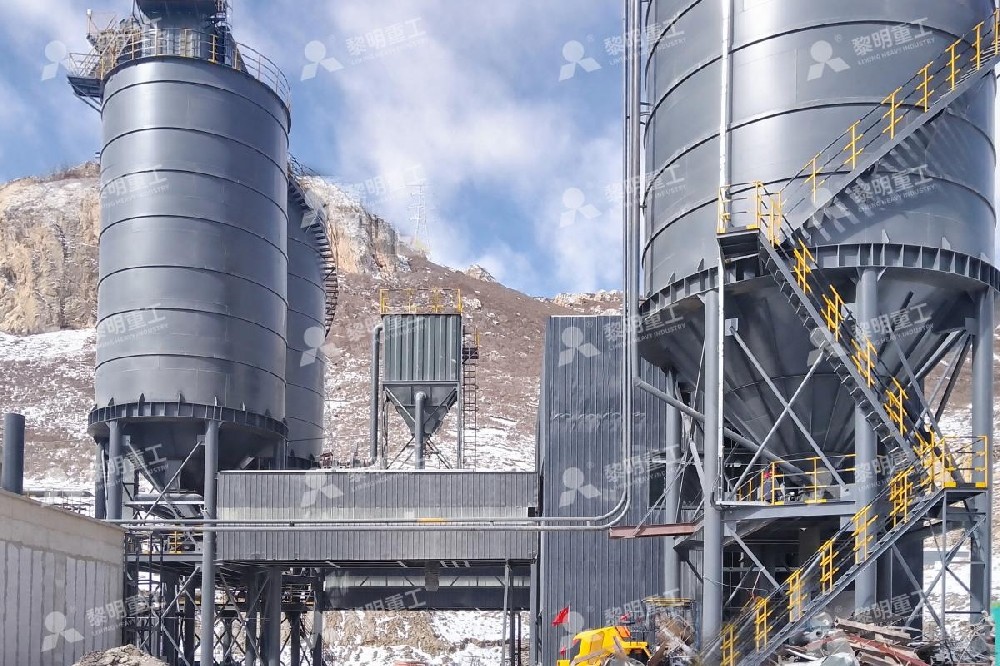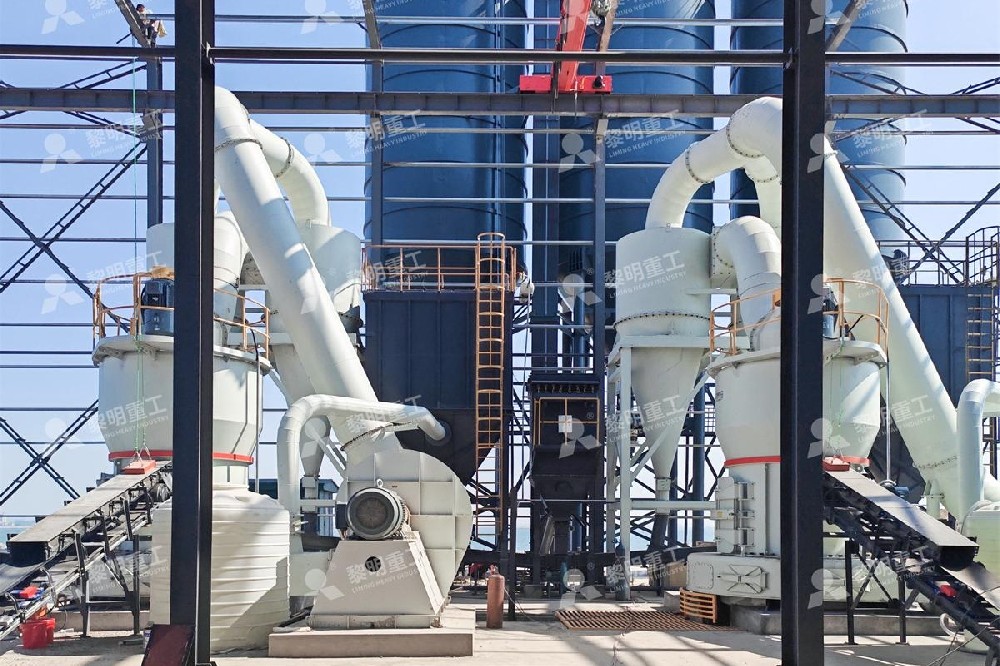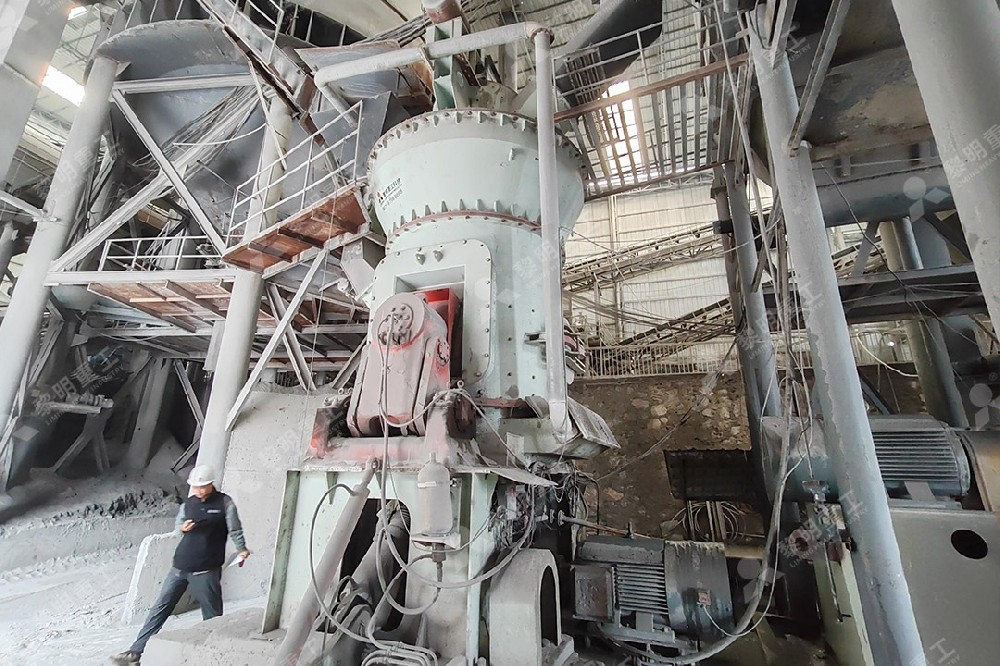
1250-2500 mesh ultra-fine barite powder is a key raw material in high-end coatings, rubber & plastic modification, barium salt chemicals, radiation shielding materials, electronic filling, and other fields, with selling prices 2-5 times that of 325-mesh ordinary powder. However, ultra-fine powder production has high technical barriers, and many projects experience wide particle size distribution, decreased whiteness, excessive energy consumption, and substandard capacity after commissioning. Liming Heavy Industry Co., drawing on experience from multiple ultra-fine barite powder production lines, systematically analyzes equipment selection and process control points for ultra-fine grinding.
1. Application Fields and Quality Requirements for Ultra-Fine Barite Powder
Compared with ordinary powder, ultra-fine barite powder (above 1250 mesh) has larger specific surface area, better dispersibility, and excellent filling performance, playing an irreplaceable role in high-end fields. Quality requirements for ultra-fine powder vary significantly across application fields:
| Application Field | Common Fineness | Core Quality Requirements | Market Added Value |
|---|---|---|---|
| High-end coatings/paints | 1250-2000 mesh | Whiteness ≥93, D97 ≤10 μm, narrow particle size distribution, no large particles, low oil absorption | Medium-high |
| Rubber & plastic modified filling | 1250-2500 mesh | Uniform particle size, good surface activity, excellent dispersibility, significant mechanical property improvement | Medium-high |
| Barium salt chemical raw material | 2000-3000 mesh | BaSO4 purity ≥98%, uniform particle size, high reaction activity, low impurity content | High |
| Radiation shielding materials | 1250-2500 mesh | Density ≥4.3 g/cm³, uniform particle size, stable shielding effect, no impurities | High |
| Electronic/optical materials | 2500-5000 mesh | Ultra-high purity, nano-scale particle size, strict metal ion limits, whiteness ≥95 | Extremely high |
2. Equipment Selection Comparison for Ultra-Fine Grinding
For industrial production of 1250-2500 mesh ultra-fine barite powder, the mainstream equipment includes three types: LUM ultra-fine vertical mill, ring-roller micro powder mill, and jet mill, each with applicable scenarios. Selection requires comprehensive judgment based on capacity, fineness, and cost.
| Equipment Type | Fineness Range | Capacity Range | Power Consumption per Ton | Application Scenarios | Selection Recommendation |
|---|---|---|---|---|---|
| LUM Ultra-Fine Vertical Mill | 1250-3000 mesh | 5-45 t/h | 80-160 kWh/t | Large-scale ultra-fine powder production, flexible multi-fineness adjustment | First choice for projects with annual output above 30,000 tons, highest cost-effectiveness |
| MW Ring-Roller Micro Powder Mill | 800-1500 mesh | 1-18 t/h | 70-120 kWh/t | 800-1250 mesh mid-range fine powder, small-medium capacity | Can be selected for 1250-mesh focused production below 5 t/h |
| Jet Mill (Fluidized Bed) | 2000-10000 mesh | 0.5-3 t/h | 200-400 kWh/t | Small-batch high-value-added, ultra-pure ultra-fine powder | Selected for special powder above 5000 mesh below 1 t/h |
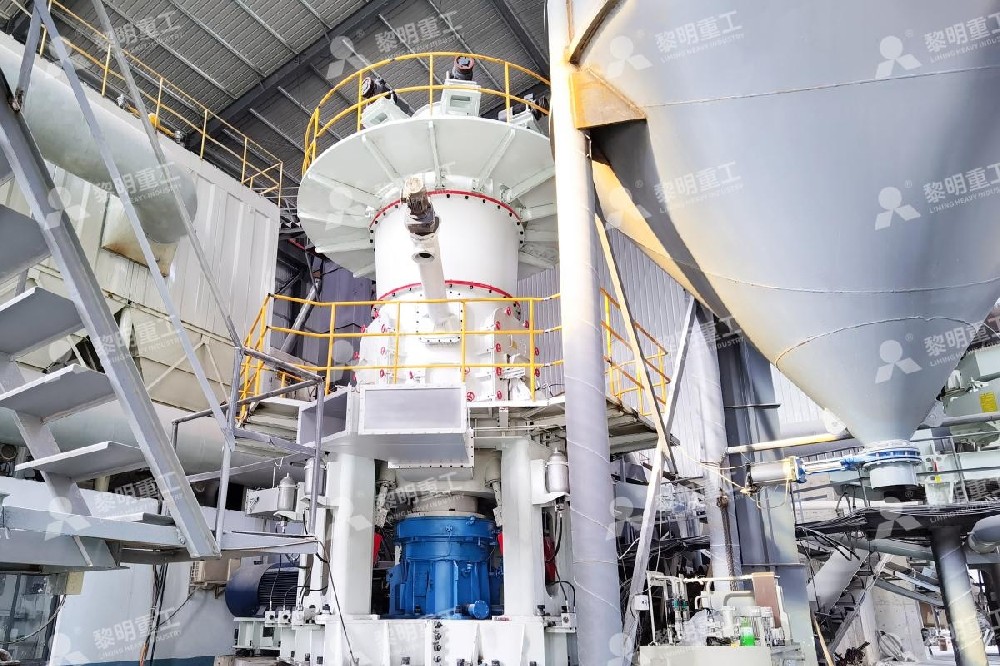
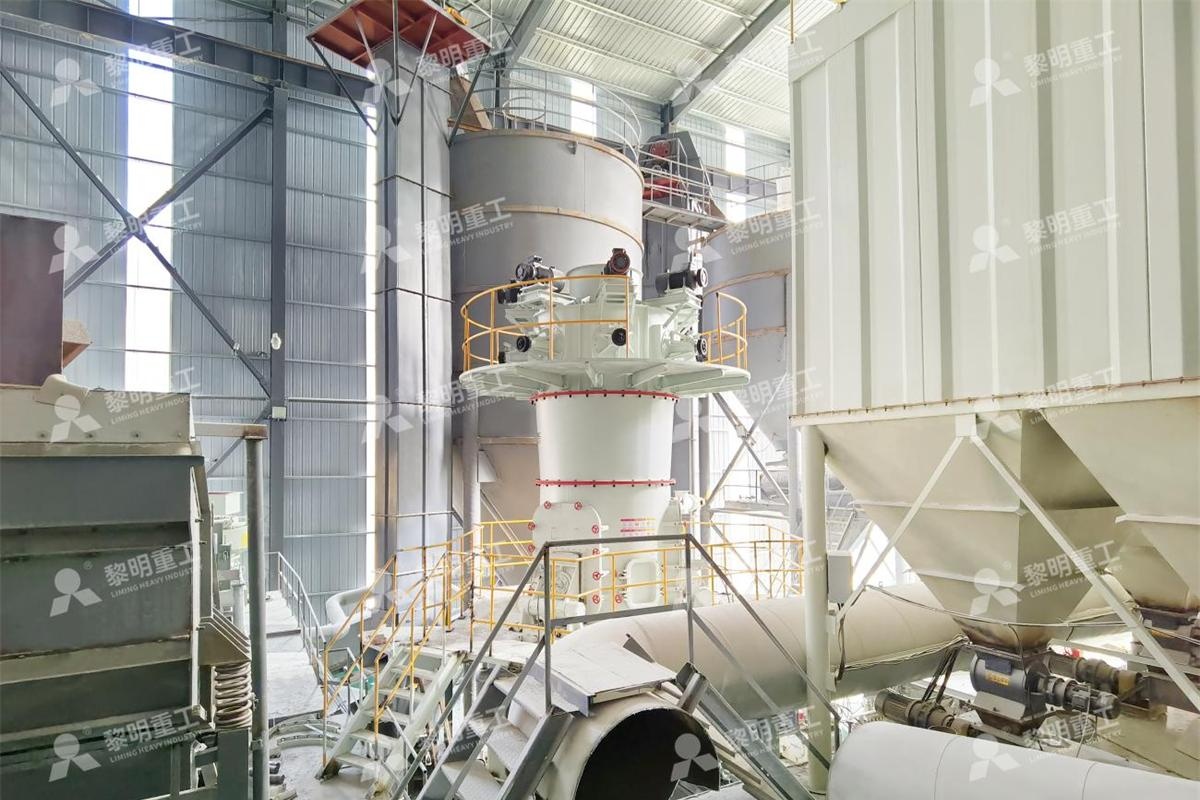
The Liming LUM ultra-fine vertical mill adopts an optimized grinding chamber structure and high-precision variable-frequency classifier. The grinding roller pressure curve and airflow ratio have been optimized for the high-density characteristics of barite, allowing flexible adjustment between 1250-2500 mesh. With single-machine capacity of 5-45 t/h, it is currently the mainstream equipment for large-scale production of ultra-fine barite powder.
3. Process Control Points for Ultra-Fine Grinding
3.1 Precise Control of Particle Size Distribution
The core quality indicator of ultra-fine powder is not average fineness, but particle size distribution width. The smaller the D97/D50 ratio, the narrower the particle size distribution and the higher the product quality. High-quality ultra-fine barite powder requires D97/D50 ≤2.5, with zero content of large particles (+10 μm). Control methods:
- Use high-precision variable-frequency classifier, with classifier wheel speed fluctuation controlled within ±1%
- Stabilize feed rate, use loss-in-weight quantitative feeding with feeding precision ±2%
- Optimize system airflow, with independent adjustment of grinding chamber and classification chamber airflow to avoid short-circuit flow
- Regularly inspect classifier wheel wear, replace promptly when wear exceeds standards to avoid decreased classification precision
- Test particle size distribution with laser particle size analyzer every hour, adjust parameters promptly when deviations are found
3.2 Whiteness and Purity Assurance
Ultra-fine powder has a large specific surface area and is more sensitive to impurities and contamination, making whiteness and purity control far more difficult than for ordinary powder. Core control measures:
- Raw ore control: Select high-quality raw ore with BaSO4 grade ≥95% and Fe2O3 ≤0.5%, with low content of organic matter and clay impurities
- Equipment anti-contamination: Use ceramic liners or high-chromium alloy liners inside the grinding chamber, use high-wear-resistant materials for grinding rollers and rings to reduce metal wear particle contamination
- Iron removal process: Add high-gradient magnetic iron removers in the finished product conveying pipeline, with magnetic field strength ≥12,000 Gauss, to remove mechanical iron and magnetic impurities
- Surface treatment (optional): High-end coating-grade ultra-fine powder can be equipped with a surface modification machine, using stearic acid, silane coupling agents, etc. for surface coating to improve whiteness and dispersibility
3.3 Energy Consumption Optimization Control
The power consumption per ton of ultra-fine powder is 2-3 times that of ordinary powder, and energy consumption control directly determines product profitability. Optimization measures:
- Use LUM ultra-fine vertical mill to replace traditional ring-roller mills or jet mills, reducing unit energy consumption by 30%-50%
- Optimize grinding pressure, for the high-density characteristics of barite, use medium-pressure grinding (avoid excessive pressure causing ineffective energy consumption)
- Use variable-frequency control systems to automatically adjust main machine speed, classifier speed, and fan airflow based on output and fineness
- System waste heat recovery, using hot air from the mill outlet to dry raw ore, reducing drying energy consumption
- Off-peak electricity usage, full-load production during low-tariff periods to reduce electricity costs
3.4 Anti-Agglomeration and Dispersion Control
Ultra-fine powder (especially above 2000 mesh) has large specific surface area and high surface energy, making it prone to agglomeration, leading to decreased actual usage effectiveness. Control measures:
- Finished product collection uses pulse dust collector, with filtration velocity controlled at 0.8-1.2 m/min to avoid secondary agglomeration during filter bag cleaning
- Finished product silo uses fluidized discharge to prevent powder compaction and caking
- High-value-added products can be equipped with surface modification processes, reducing surface energy through surface coating to prevent agglomeration
- Packaging uses moisture-proof inner bags, controlling finished product moisture ≤0.3% to avoid moisture absorption agglomeration
4. Common Faults and Solutions for Ultra-Fine Grinding
| Fault Phenomenon | Possible Causes | Solutions |
|---|---|---|
| Finished product fineness unstable, alternating coarse and fine | Large feed rate fluctuations, unstable classifier speed, system airflow fluctuations | Switch to quantitative feeding, inspect classifier frequency converter, stabilize system air pressure |
| Large particles appear in product | Classifier wheel wear, excessive seal clearance, short-circuit flow | Replace classifier wheel, adjust seal clearance, optimize air duct design |
| Whiteness decreases, powder turns yellow or gray | Mechanical iron contamination, high raw ore impurities, liner wear | Add iron remover, improve raw ore grade, replace wear-resistant liners |
| Capacity significantly decreases | Grinding roller/ring wear, insufficient grinding pressure, poor feeding | Replace wear parts, adjust grinding pressure, clean feeding system |
| Severe finished product agglomeration | Excessive moisture, excessive specific surface area, storage compaction | Control moisture before grinding, reduce grinding intensity, fluidized discharge |
5. Investment and Revenue Reference for Ultra-Fine Powder Projects
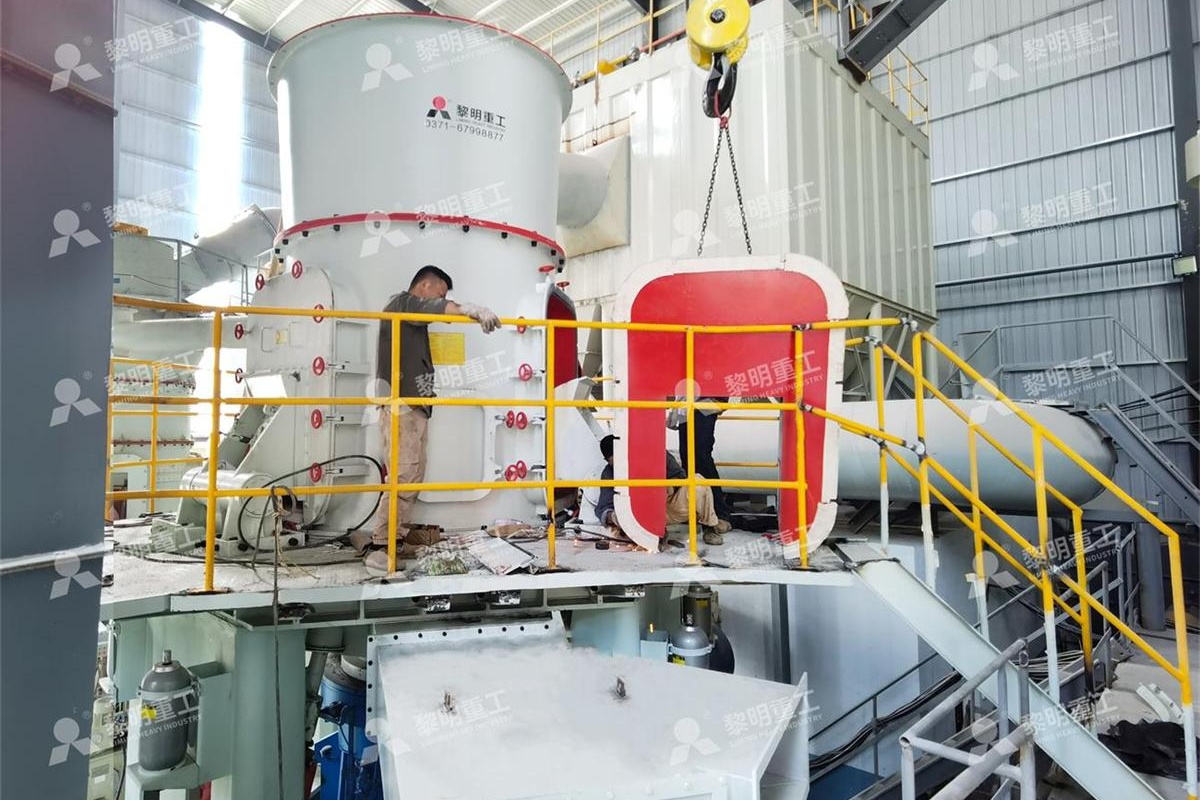
Taking a 10 t/h 2000-mesh ultra-fine barite powder production line as an example: Equipment investment is approximately RMB 3-5 million (LUM ultra-fine vertical mill + supporting system), direct production cost per ton is approximately RMB 100-130/ton (electricity RMB 70-90 + wear parts RMB 15-20 + labor RMB 10-15 + maintenance RMB 5-10), and the market selling price of 2000-mesh coating-grade ultra-fine powder is approximately RMB 600-1000/ton, with large gross profit margin. Liming can provide full services from material testing, process design, equipment manufacturing to installation and commissioning, helping project owners quickly commission and meet standards.
6. Frequently Asked Industry Questions
Q1: What are the particle sizes corresponding to 1250-mesh and 2500-mesh ultra-fine barite powder?
A: 1250 mesh corresponds to D97 approximately 10 μm, D50 approximately 3-5 μm; 2500 mesh corresponds to D97 approximately 5 μm, D50 approximately 1.5-2.5 μm. Mesh number and particle size are not strictly linearly related. In actual production, the D97, D50, and D10 indicators detected by a laser particle size analyzer shall prevail, and cannot rely solely on mesh number labeling.
Q2: What is the best equipment for barite ultra-fine grinding?
A: For large-scale production of 1250-2500 mesh ultra-fine barite powder, the LUM ultra-fine vertical mill is the first choice, with single-machine capacity of 5-45 t/h and unit energy consumption 40%-50% lower than jet mills, suitable for industrial mass production. For small-batch high-value-added products (above 5000 mesh), jet mills can be used, but they have high energy consumption and small capacity (usually 0.5-2 t/h), making them unsuitable for large-scale production.
Q3: Why does ultra-fine barite powder production easily result in wide particle size distribution?
A: The main causes of wide particle size distribution (mixed large and small particles): First, unstable classifier speed or worn classifier wheel, resulting in decreased classification precision. Second, large feed rate fluctuations, causing unstable material layer thickness in the grinding chamber. Third, improper system airflow matching, with short-circuit flow causing coarse particle escape. Solutions: Use variable-frequency high-precision classifiers, stabilize feed rate, and optimize system airflow and pressure matching.
Q4: What causes the whiteness of ultra-fine barite powder to decrease?
A: Common causes of decreased whiteness in ultra-fine powder: First, mechanical iron contamination during grinding, with iron ion oxidation causing the powder to turn yellow or gray. Second, high content of iron oxide and organic impurities in the raw ore. Third, the internal liners and grinding rollers of the equipment are not wear-resistant, with wear particles contaminating the finished product. Solutions: Use ceramic or polyurethane liners inside the equipment, add high-gradient iron removers, beneficiate raw ore to remove impurities, and select high-chromium alloy wear parts to reduce wear.
Q5: What is the approximate power consumption per ton of ultra-fine barite powder?
A: Using a LUM ultra-fine vertical mill to produce 1250-mesh barite powder, power consumption is approximately 80-100 kWh/t; for 2500-mesh ultra-fine powder, power consumption is approximately 120-160 kWh/t. Using a jet mill to produce products of the same fineness, power consumption per ton is as high as 200-300 kWh/t. The power consumption of ultra-fine powder is 2-3 times that of 325-mesh ordinary powder, and is the main component of ultra-fine powder production costs.