
Industry insights, practical grinding tips, equipment selection guides, and the latest updates on barite processing.
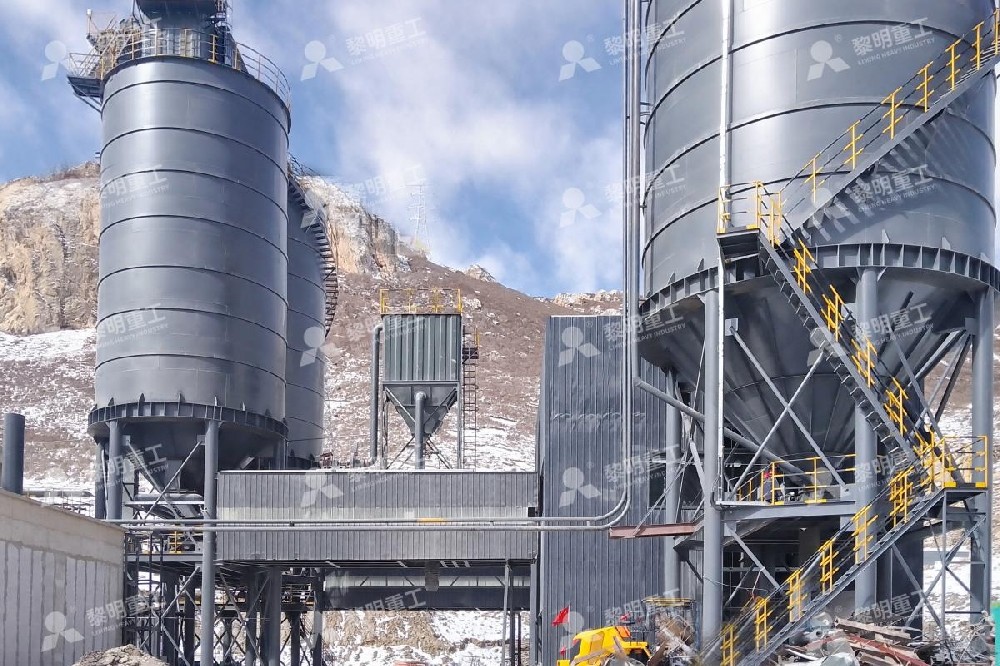
How to control heavy dust in barite grinding production lines? This article details negative pressure dust collection system design, pulse dust collector selection, fugitive emission control, and environmental compliance standards, with dust collection system configuration plans for different scales, helping you achieve a dust-free workshop and compliant emissions.
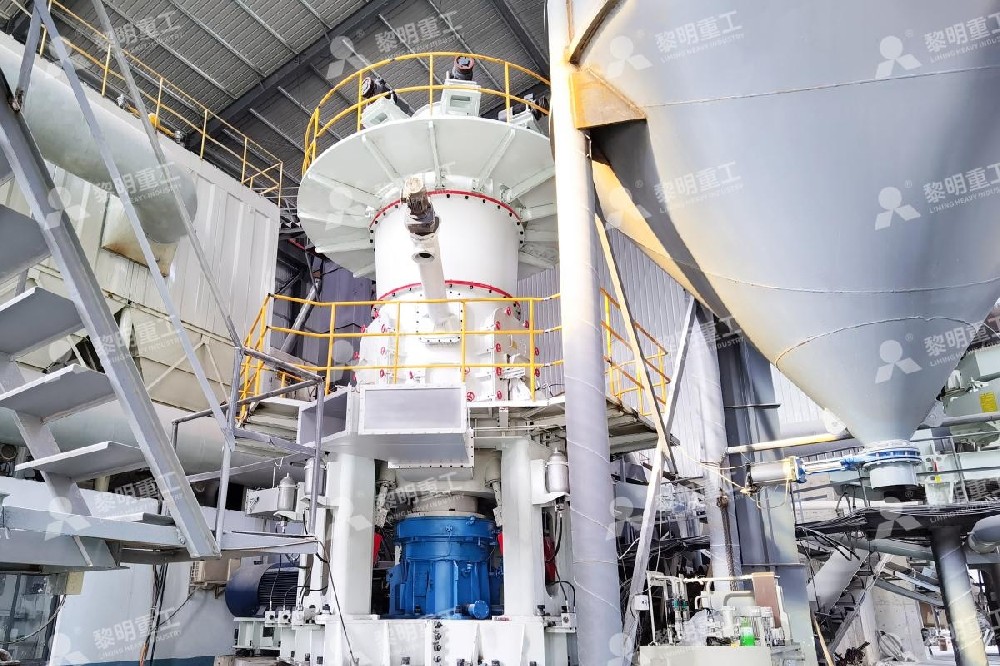
How to produce 1250-2500 mesh ultra-fine barite powder? This article details equipment selection for ultra-fine barite powder (LUM ultra-fine vertical mill vs. jet mill), process control points, particle size distribution control, and purity assurance, helping you stably produce high-end ultra-fine barite powder.
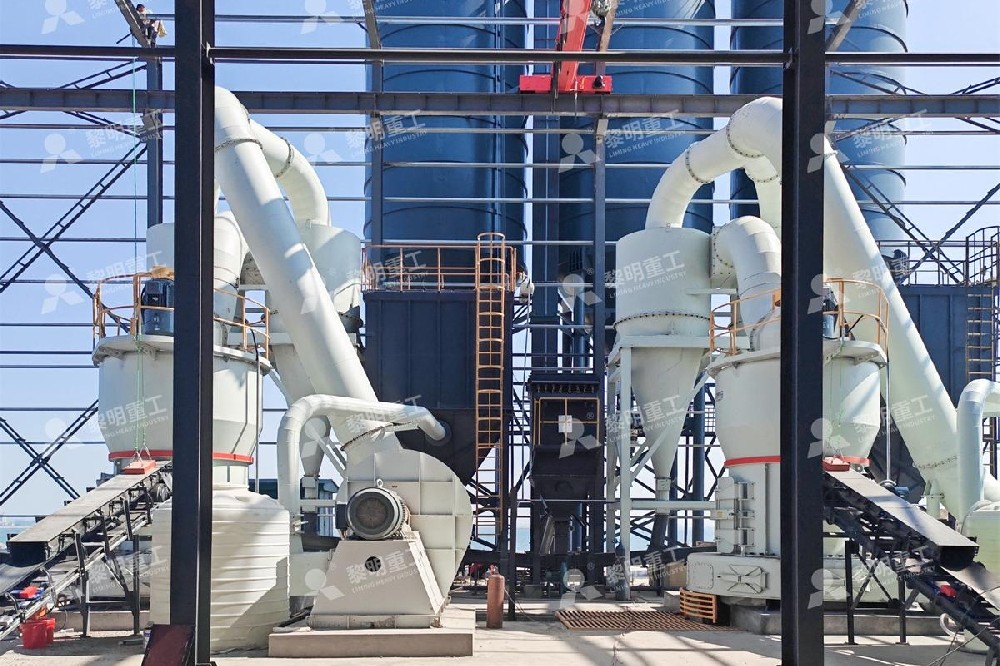
What are the quality standards for 325-mesh API drilling-grade barite powder? This article details the core indicators of API Spec 13A standards including density, fineness, viscosity, and heavy metals, as well as 325-mesh barite grinding process control points, helping you produce compliant drilling-grade barite powder.
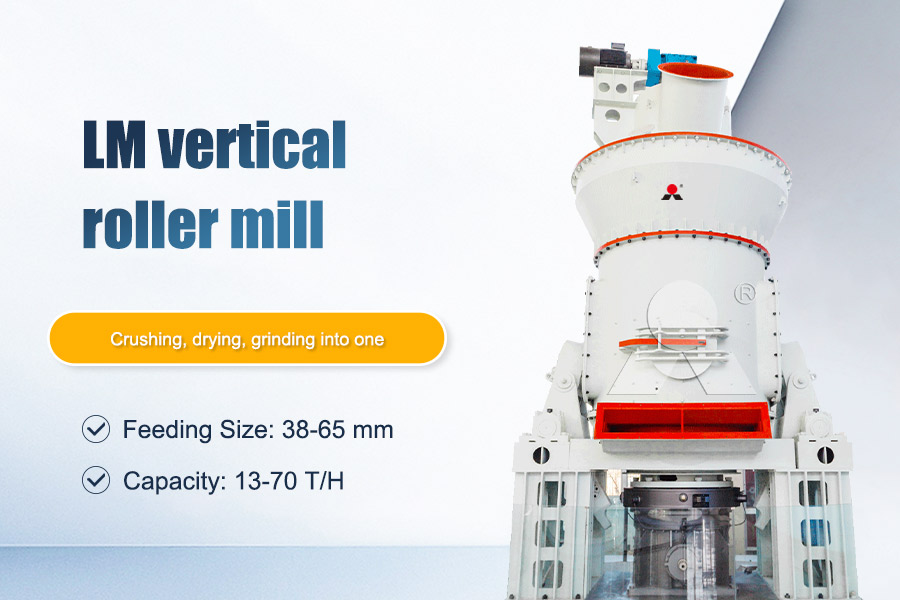
How much does it cost to build a barite grinding production line? This article breaks down 5 major cost components: equipment procurement, civil construction & installation, energy consumption, operation & maintenance, and labor. Includes investment references for 10 t/h, 30 t/h, and 50 t/h scales to help with project budgeting.
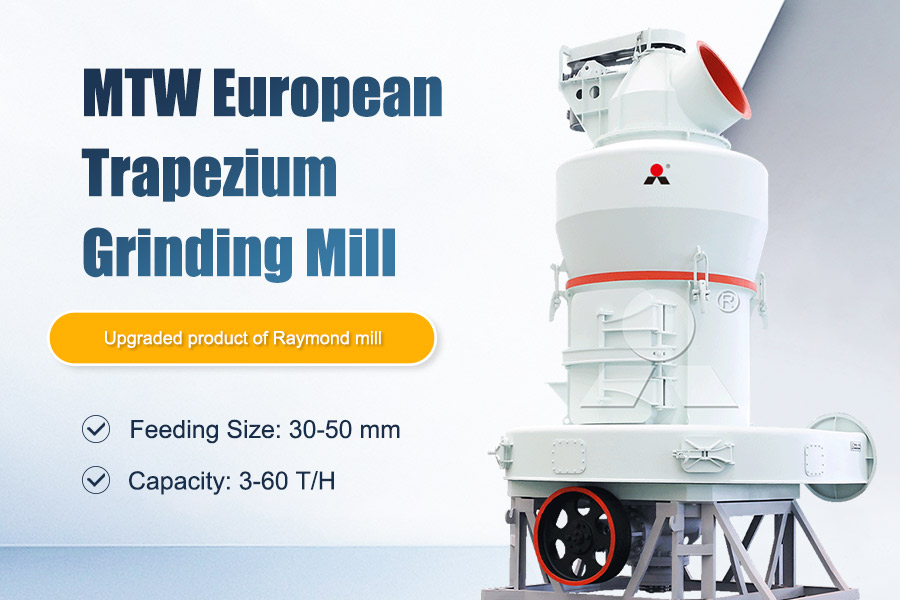
How to choose a barite grinding mill? This article compares the fineness, capacity, and application scenarios of 4 mainstream equipment types: MTW European mill, LM vertical roller mill, MW ring-roller micro powder mill, and LUM ultra-fine vertical mill, helping you make precise selections without pitfalls.