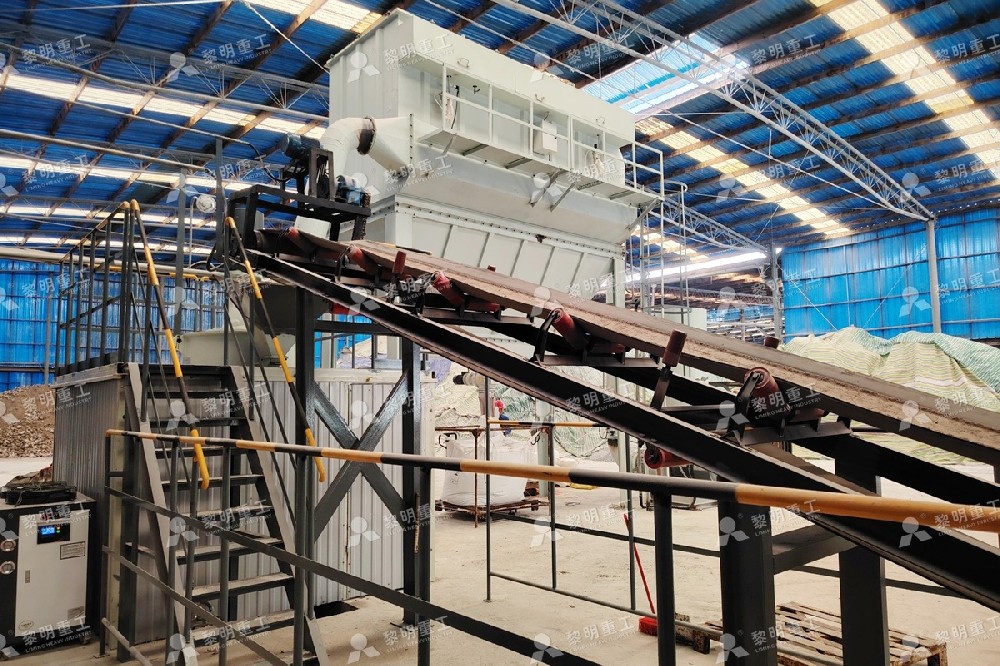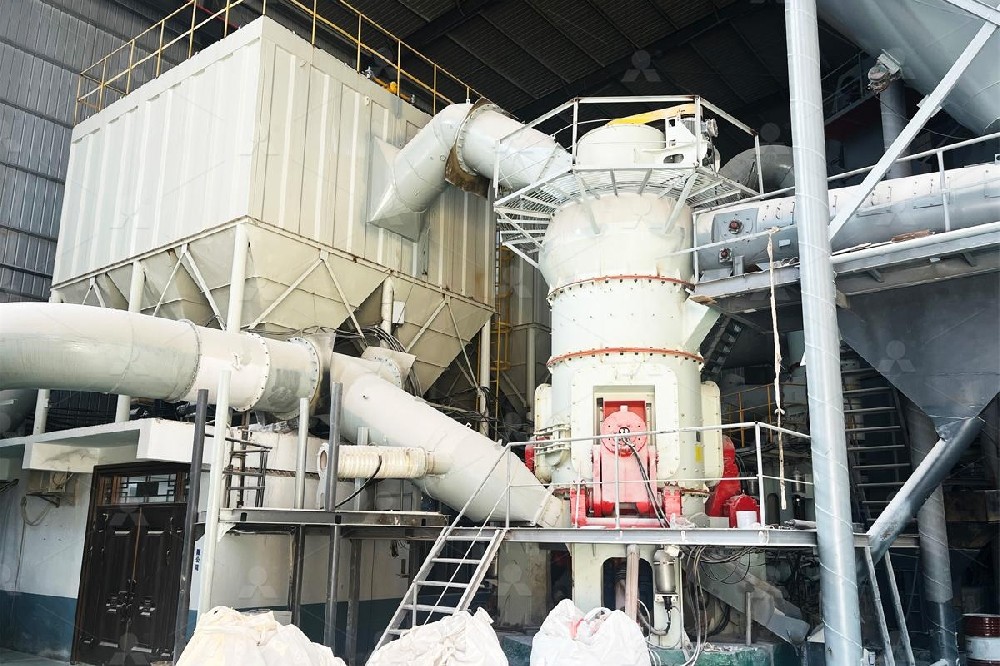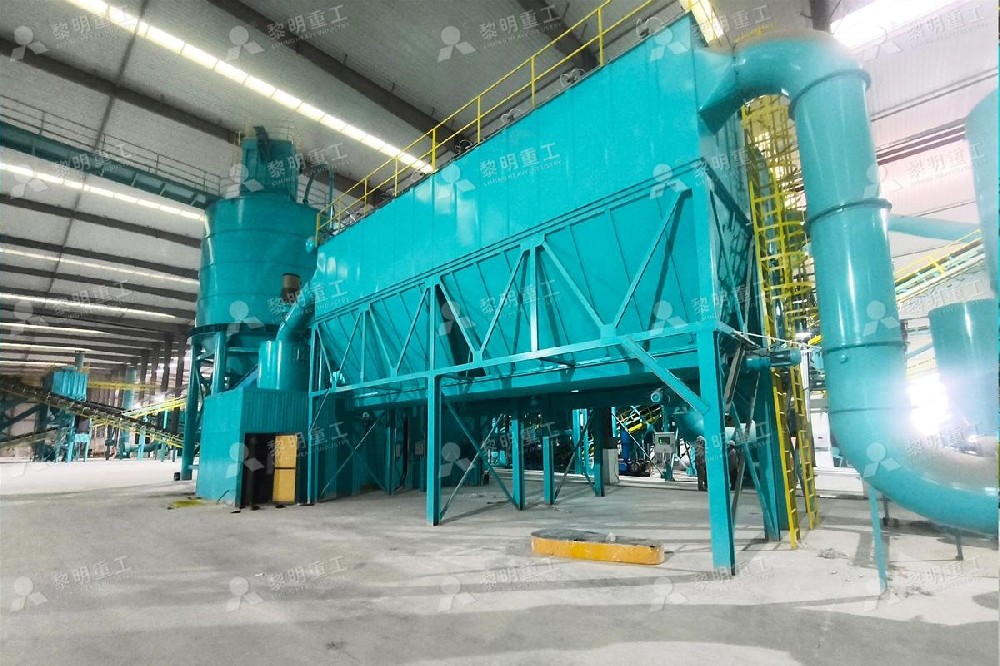
Investment budgeting for a barite grinding production line is the core basis for project approval. Many project owners only calculate equipment procurement prices, ignoring hidden costs such as civil construction & installation, energy consumption, operation & maintenance, and labor, leading to financial strain after commissioning. Liming Heavy Industry Co., Ltd. (referred to as Liming), drawing on implementation data from hundreds of barite deep processing projects, systematically breaks down investment cost components and provides investment references for different scales to help project owners make precise budgets.
1. Five Major Components of Barite Grinding Production Line Investment Costs
A complete barite grinding production line has investment costs divided into 5 major categories: equipment procurement, civil construction & installation, energy operation, operation & maintenance depreciation, and labor management. The proportion of each category varies by scale and process configuration.
| Cost Category | Percentage of Total Investment | Included Content | Cost Characteristics |
|---|---|---|---|
| Equipment Procurement | 55%-70% | Crusher, grinding main machine, classifier, dust collector, elevator, feeder, silo, packaging system, electrical control system | One-time investment, largest proportion, determines core capacity and quality of the production line |
| Civil Construction & Installation | 10%-18% | Factory foundation, equipment foundation, steel structure platform, pipe & cable tray, installation & commissioning, transportation costs | One-time investment, significantly affected by geological conditions and local labor costs |
| Energy Operation | Ongoing Expenditure | Electricity, water, compressed air, raw ore transportation | Continuous expenditure, accounts for over 60% of per-ton powder cost, core of cost reduction |
| Operation & Maintenance Depreciation | Ongoing Expenditure | Wear parts replacement, equipment maintenance, lubricants, spare parts inventory, equipment depreciation | Continuous expenditure, higher proportion in ultra-fine powder production lines |
| Labor Management | Ongoing Expenditure | Operators, maintenance workers, management salaries, social security, training, safety & environmental management | Continuous expenditure, higher automation means lower labor proportion |
2. Investment References for Three Production Line Scales
The following investment references are based on the standard process for 325-mesh barite powder, with raw ore moisture content ≤8%, excluding land, mine resources, and main factory building construction costs. They only cover production line equipment and supporting installation investment.
2.1 Small Production Line (5-10 t/h)
Application scenarios: Mine-supported deep processing, regional market supply, startup projects.
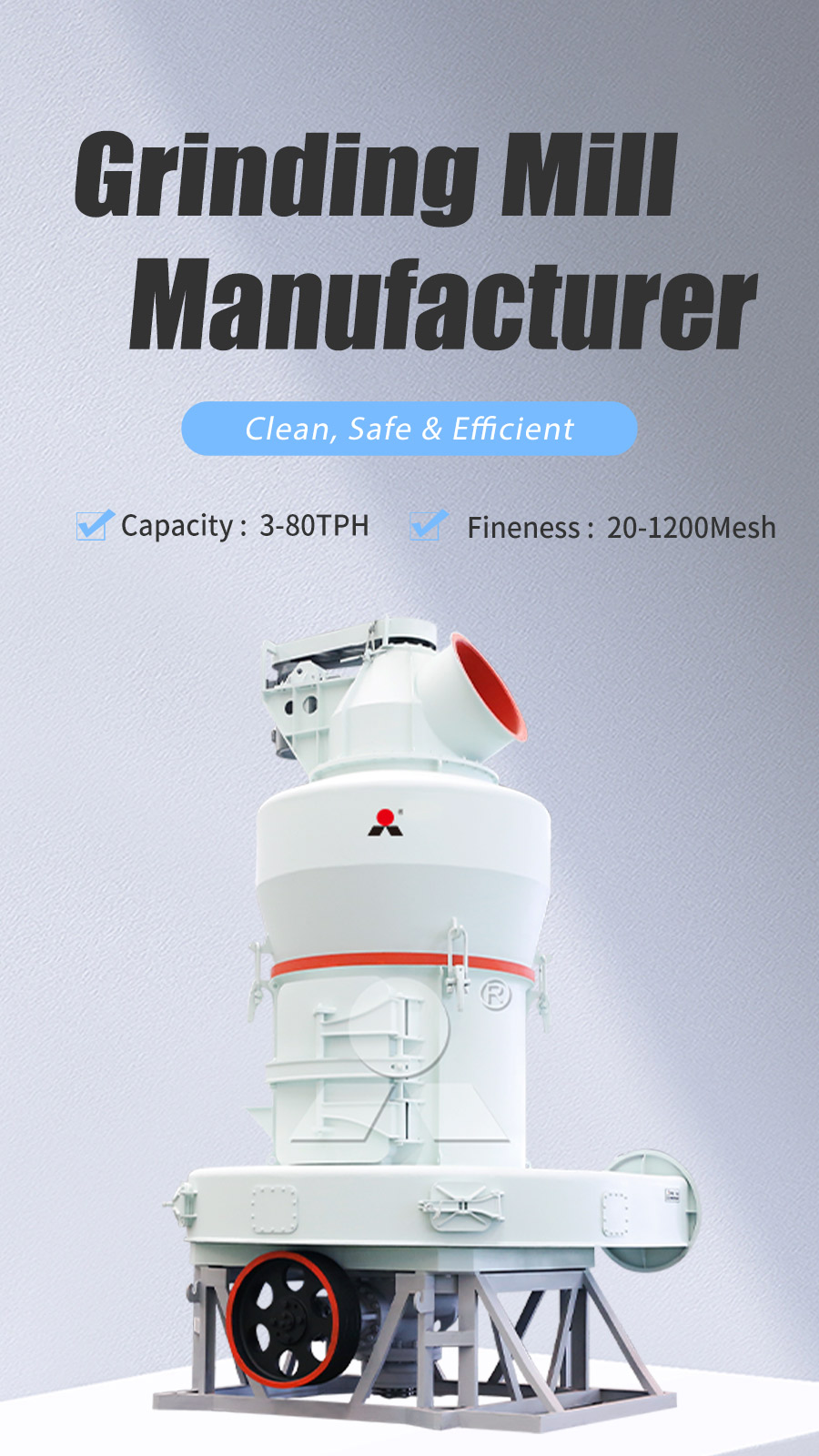
Typical configuration: 1 jaw crusher + 1 MTW110 European mill + pulse dust collector + lifting & feeding system + electrical control cabinet + finished product silo.
Equipment investment: approximately RMB 800,000-1,500,000.
Civil construction & installation: approximately RMB 150,000-300,000.
Total investment reference: approximately RMB 950,000-1,800,000.
Annual capacity: Based on 300 operating days per year and 16 hours per day, annual output 24,000-48,000 tons.
2.2 Medium Production Line (20-30 t/h)
Application scenarios: Large-scale mine deep processing, regional leading enterprises, multi-category powder processing.
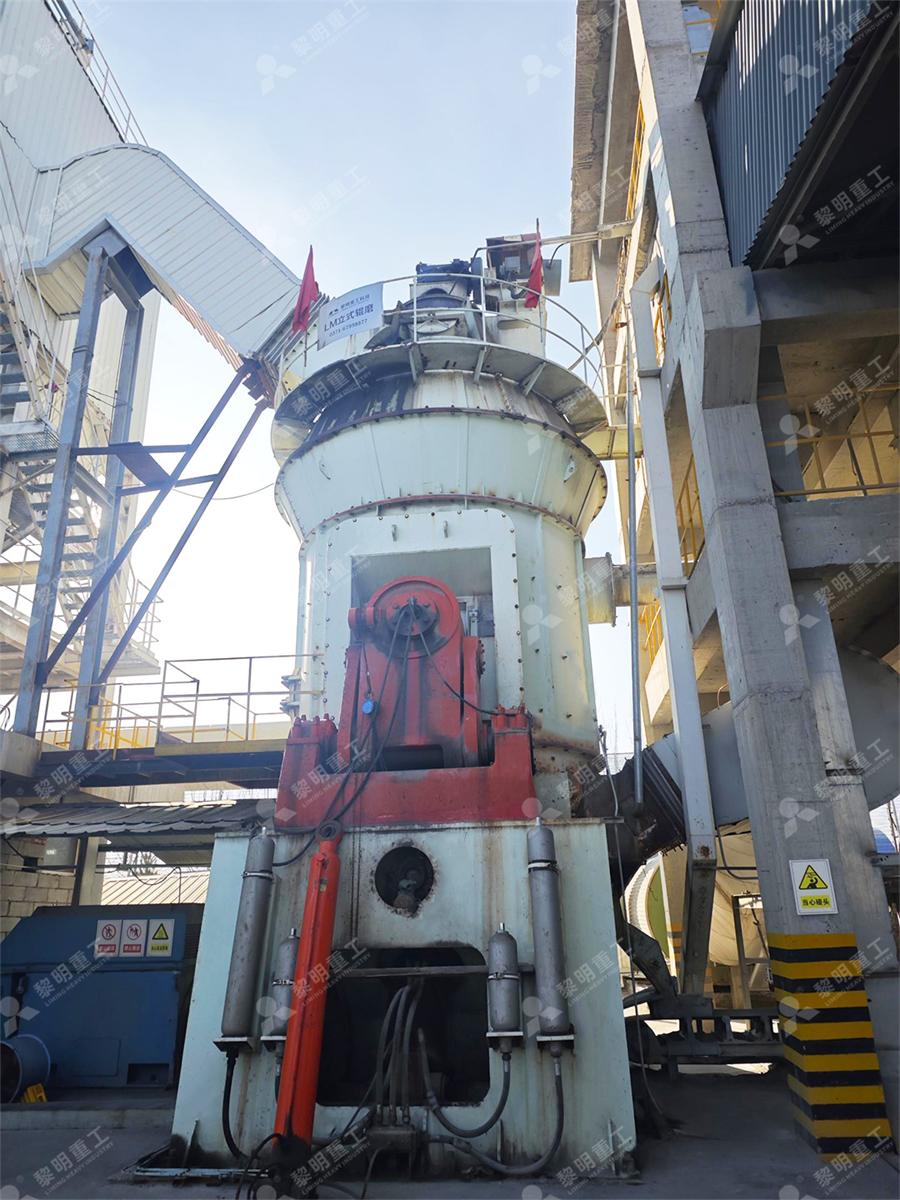
Typical configuration: 1 jaw crusher + 1 cone crusher (optional) + 1 MTW175 European mill or LM130 vertical mill + large pulse dust collector + automated central control system + packaging system.
Equipment investment: approximately RMB 2,000,000-4,000,000.
Civil construction & installation: approximately RMB 400,000-800,000.
Total investment reference: approximately RMB 2,400,000-4,800,000.
Annual capacity: Based on 300 operating days per year and 16 hours per day, annual output 96,000-144,000 tons.
2.3 Large Production Line (Above 50 t/h)
Application scenarios: Large-scale integrated mines, export-oriented powder bases, group-level deep processing projects.
Typical configuration: Crushing & screening system + 2 or more LM vertical roller mills or large MTW European mills + central dust collection system + fully automated central control DCS system + automated packaging & storage system.
Equipment investment: approximately RMB 5,000,000-12,000,000.
Civil construction & installation: approximately RMB 1,000,000-2,500,000.
Total investment reference: approximately RMB 6,000,000-14,500,000.
Annual capacity: Based on 300 operating days per year and 24 hours per day, annual output above 360,000 tons.
3. In-Depth Breakdown of Per-Ton Powder Production Costs
Per-ton powder production cost directly determines project profitability. Taking a 325-mesh barite powder, 30 t/h medium production line as an example, the direct production cost per ton is composed as follows:
| Cost Item | Unit Consumption | Unit Price Reference | Cost per Ton | Cost Reduction Potential |
|---|---|---|---|---|
| Electricity | 45-60 kWh/t | RMB 0.6-0.8/kWh | RMB 27-48/t | Energy-saving vertical mill can reduce by 20%-30% |
| Wear Parts Depreciation | Grinding roller/ring replaced every 8,000-12,000h | - | RMB 5-10/t | High-chromium alloy material extends service life |
| Labor | 4-6 people per line | RMB 5,000-8,000/person/month | RMB 5-10/t | Automated central control system can reduce labor by 30% |
| Maintenance | Lubricants, seals, routine inspections | - | RMB 3-5/t | Preventive maintenance reduces unexpected failures |
| Total Direct Cost | - | - | RMB 40-73/t | - |
Note: The above excludes raw ore procurement costs, financial expenses, sales expenses, and taxes. For ultra-fine powder above 1250 mesh, electricity consumption is approximately 80-120 kWh/t, wear parts replacement cycles are shorter, and direct costs are approximately RMB 80-150/ton.
4. Key Strategies for Investment Cost Reduction and Efficiency Improvement
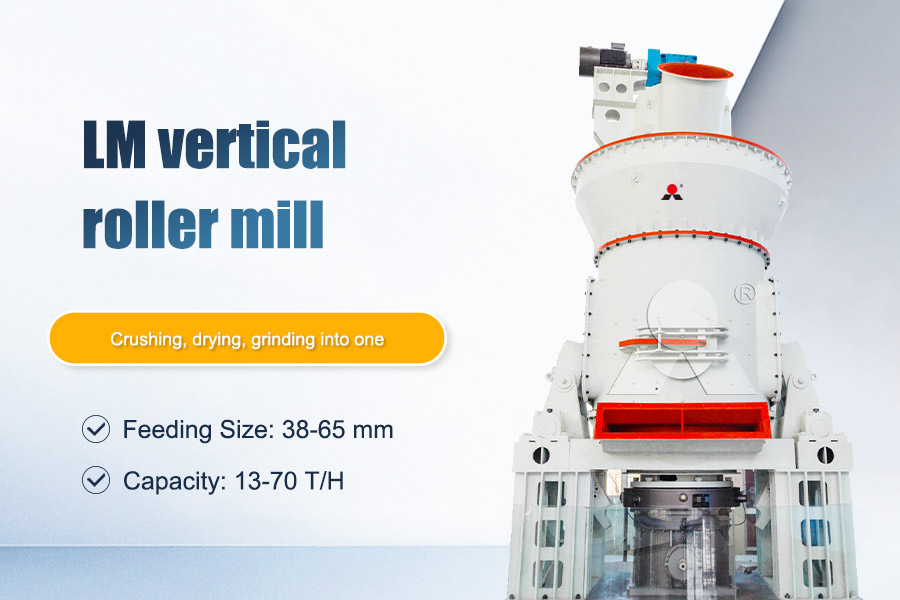
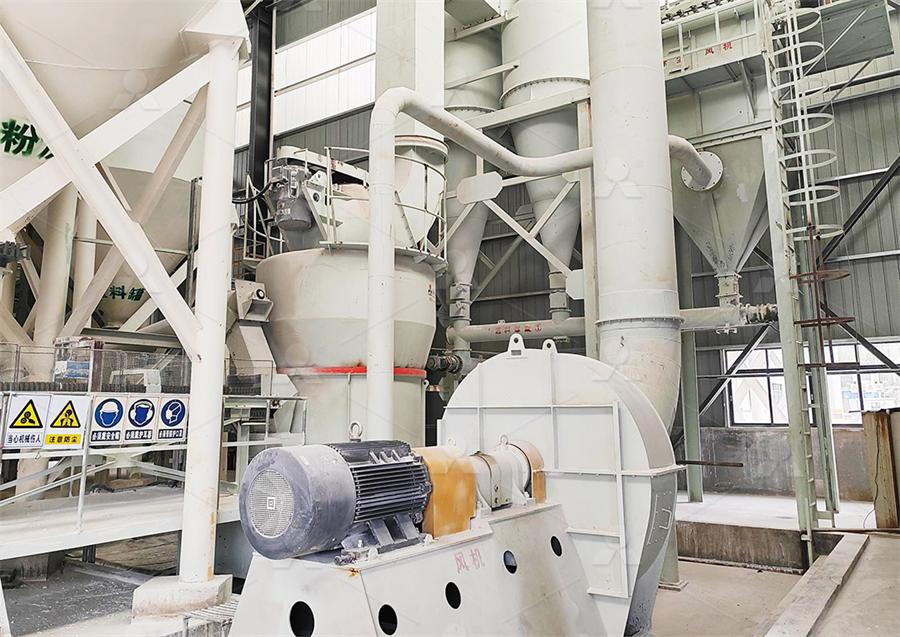
- Equipment selection for cost reduction: Large projects should prioritize LM vertical roller mills, with unit power consumption 20%-30% lower than traditional Raymond mills. Although equipment investment is 15%-20% higher, the price difference can be recovered through electricity savings in 2-3 years
- Process optimization for cost reduction: Raw ore moisture content >8% must be pre-dried to avoid capacity loss from machine clogging and material blockage; closed-circuit classification systems reduce over-grinding and lower ineffective energy consumption
- Automation for cost reduction: Equipped with central control DCS system, enabling one-click start/stop, automatic parameter adjustment, and fault warning, reducing single-line operators from 6-8 to 3-4 people
- Spare parts management for cost reduction: Establish safety stock for wear parts to avoid emergency procurement premiums; use original factory high-chromium alloy wear parts — although unit price is 30% higher, service life is extended by over 50%, resulting in lower per-ton costs
- Energy management for cost reduction: Off-peak electricity usage (full-load production during low-tariff periods); large projects can consider photovoltaic self-generation for further electricity cost reduction
5. Project Investment Risk Warnings
- Raw ore supply risk: Barite raw ore grade, moisture content, and impurity content directly affect production costs. Before investment, stable raw ore supply channels must be secured and material tests conducted
- Environmental policy risk: Dust emission standards continue to tighten across regions. It is recommended to configure dust collection systems one level above local standards to avoid additional investment in later environmental retrofits
- Market price risk: Barite powder prices are significantly affected by oil & gas industry prosperity and import/export policies. Sensitivity analysis is recommended to calculate project profitability when prices fall by 20%
- Capacity utilization risk: Many projects have capacity utilization below 60% after commissioning, leading to soaring per-ton fixed costs. It is recommended to gradually expand capacity based on market demand, avoiding excessive one-time investment
6. Frequently Asked Industry Questions
Q1: How much investment is needed to build a barite grinding production line?
A: Investment amounts vary significantly by scale: small production lines of 5-10 t/h cost approximately RMB 800,000-1,500,000; medium lines of 20-30 t/h cost approximately RMB 2,000,000-4,000,000; large lines above 50 t/h cost approximately RMB 5,000,000-12,000,000. The above are references for main equipment investment, excluding land, factory building, and mine resource costs.
Q2: What is the approximate production cost per ton of barite powder?
A: The direct production cost per ton of 325-mesh barite powder is approximately RMB 40-70/ton, with electricity accounting for the largest share (approximately RMB 25-40/ton), wear parts depreciation approximately RMB 5-10/ton, labor approximately RMB 5-10/ton, and maintenance approximately RMB 3-5/ton. For ultra-fine powder (above 1250 mesh), the cost per ton is approximately RMB 80-150/ton, with electricity and wear parts accounting for a higher proportion.
Q3: What is the typical investment payback period for a barite grinding production line?
A: Based on industry averages, the gross profit for 325-mesh barite powder is approximately RMB 80-150/ton. For a project with an annual output of 100,000 tons, annual gross profit is approximately RMB 8-15 million. After deducting operating costs, net profit is approximately RMB 4-8 million, with an investment payback period of approximately 2-3 years. The actual payback period is significantly affected by raw ore costs, finished product selling prices, and capacity utilization rates.
Q4: Can barite grinding production lines be purchased with installment payments?
A: Some equipment manufacturers support installment payment or financial leasing plans, typically with a down payment of 30%-50% and the balance paid over 1-3 years, with corresponding interest to be borne. Liming Heavy Industry can provide flexible payment plans for large EPC projects, subject to specific evaluation based on project scale and qualifications.
Q5: Which aspects of a barite grinding production line are most likely to exceed budget?
A: The three aspects most likely to exceed budget: First, environmental protection facilities — emission standard upgrades in some regions lead to additional investment in dust collection systems. Second, civil foundations — foundation construction costs increase when geological conditions are complex. Third, raw ore pretreatment — additional drying and impurity removal equipment is needed when raw ore moisture content or impurities exceed expectations. It is recommended to reserve 10%-15% of the project budget as contingency funds.