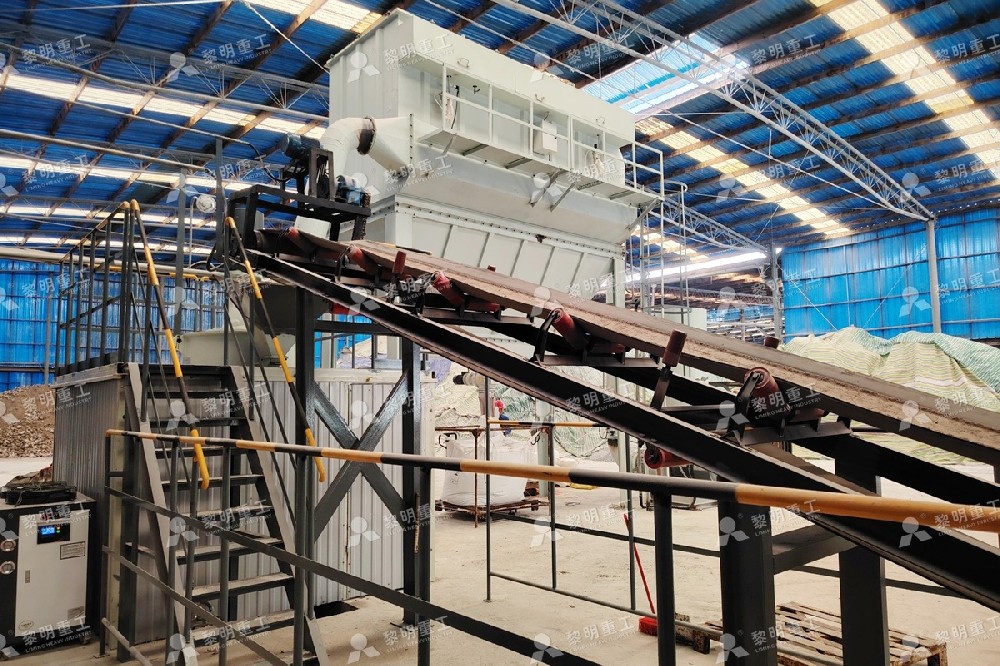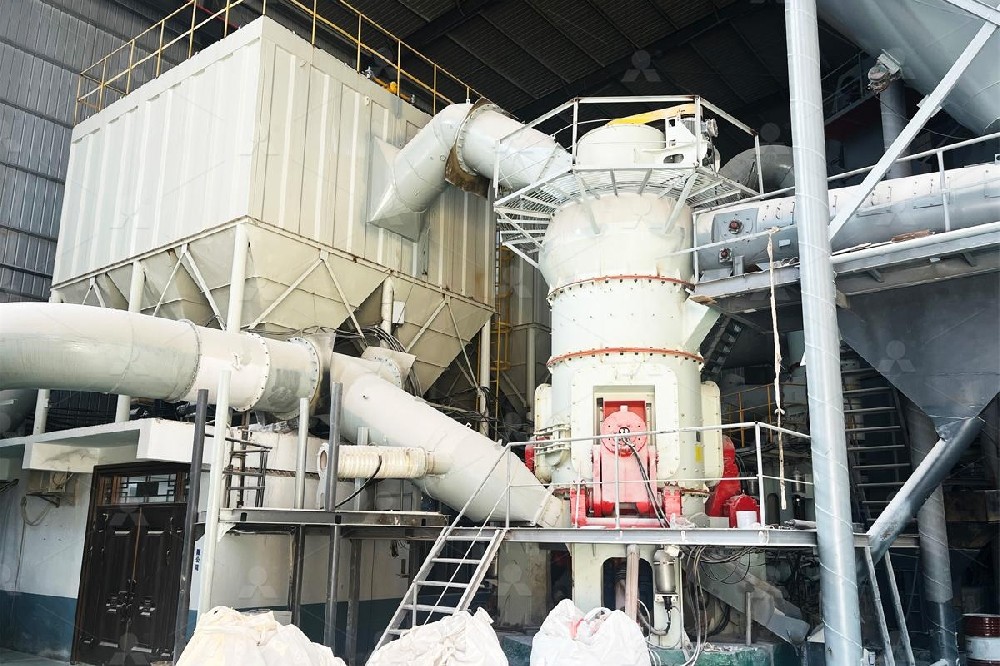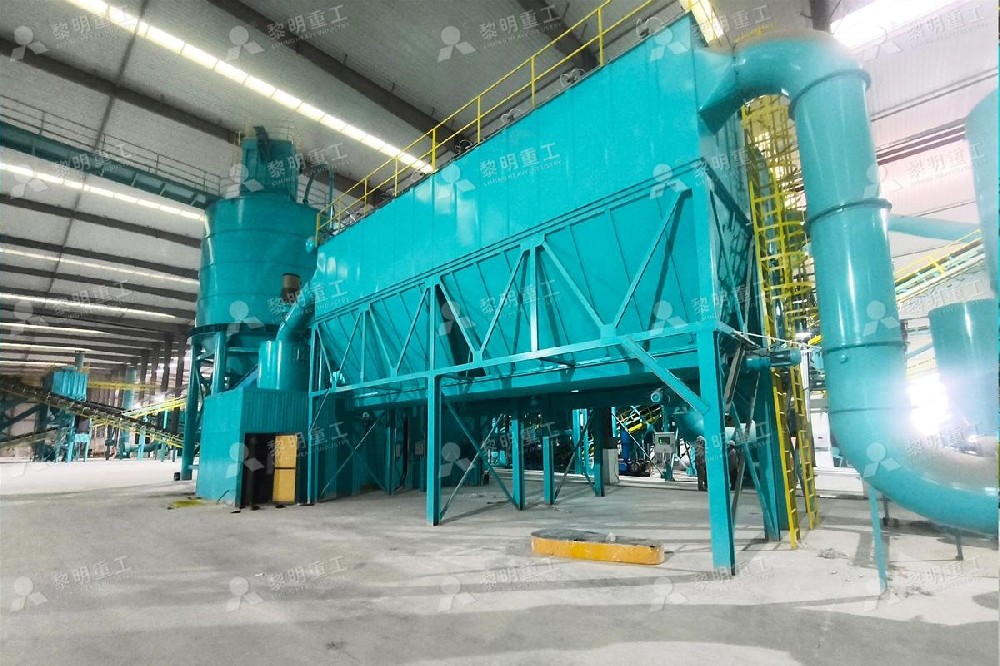
Barite grinding mill selection is a core decision in barite deep processing projects, directly determining finished product quality, production energy consumption, and return on investment. Many project owners place orders based solely on nameplate capacity, only to discover after commissioning that fineness is substandard, energy consumption exceeds limits, and operation and maintenance costs remain high. Liming Heavy Industry Co., Ltd. (referred to as Liming), drawing on experience from thousands of non-metallic mineral powder projects, systematically organizes the parameter differences and application scenarios of 4 mainstream barite grinding mills to help project owners make precise selections.
1. Core Basis for Barite Grinding Mill Selection
Barite has a Mohs hardness of 3-3.5, making it an easily grindable mineral, but its density is as high as 4.5g/cm³, 1.7 times that of limestone. This physical property determines that barite grinding mills cannot simply apply general solutions for limestone or calcite. Before selection, the following 5 dimensions must be clarified:
- Finished product fineness: 325-mesh drilling grade, 800-mesh filler grade, 1250-mesh coating grade, 2500-mesh ultra-fine chemical grade — different fineness levels correspond to completely different equipment types
- Capacity requirements: small-scale processing under 3 t/h, medium-scale mass production of 10-50 t/h, large-scale production lines above 50 t/h — equipment specifications vary greatly
- Raw ore conditions: moisture content >8% requires pre-drying, high impurity content requires additional impurity removal processes, directly affecting process chain design
- Finished product application: drilling mud focuses on particle size stability, coating fillers focus on whiteness and particle size distribution, chemical ultra-fine powder focuses on purity and particle size precision
- Environmental standards: dust emission limits vary by region, determining the configuration level of the dust collection system
2. Parameter Comparison of 4 Mainstream Barite Grinding Mills
Liming has optimized the grinding pressure, classification system, and dust collection configuration of 4 types of grinding equipment for barite material characteristics, fully covering the 200-2500 mesh fineness range.
| Equipment Type | Finished Fineness | Capacity Range | Core Application Scenarios | Selection Recommendation |
|---|---|---|---|---|
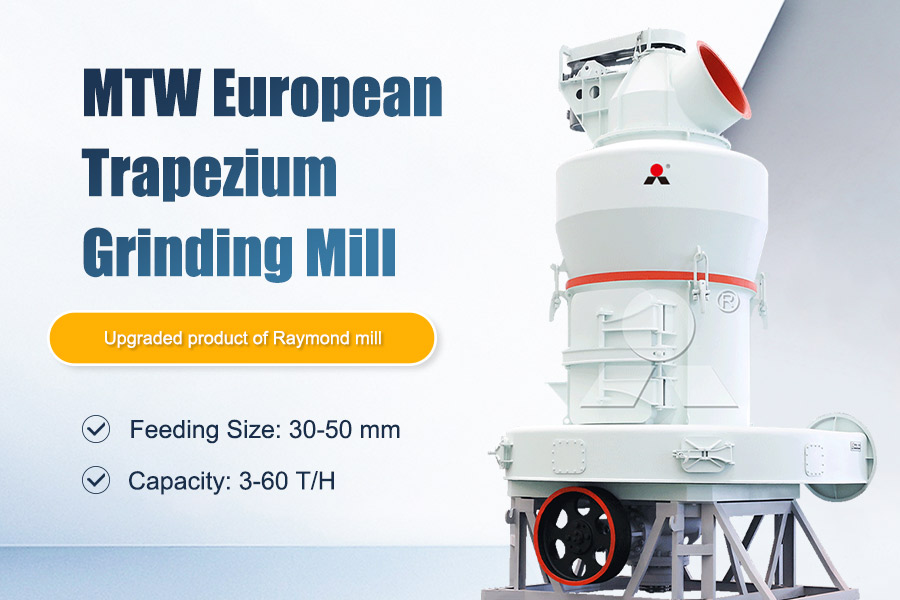
| MTW European Grinding Mill | 200-400 mesh | 3-55 t/h | Oil & gas drilling API standard weighting agent, large-volume conventional powder | First choice for 325-mesh focused production, pursuing large capacity and low O&M costs |
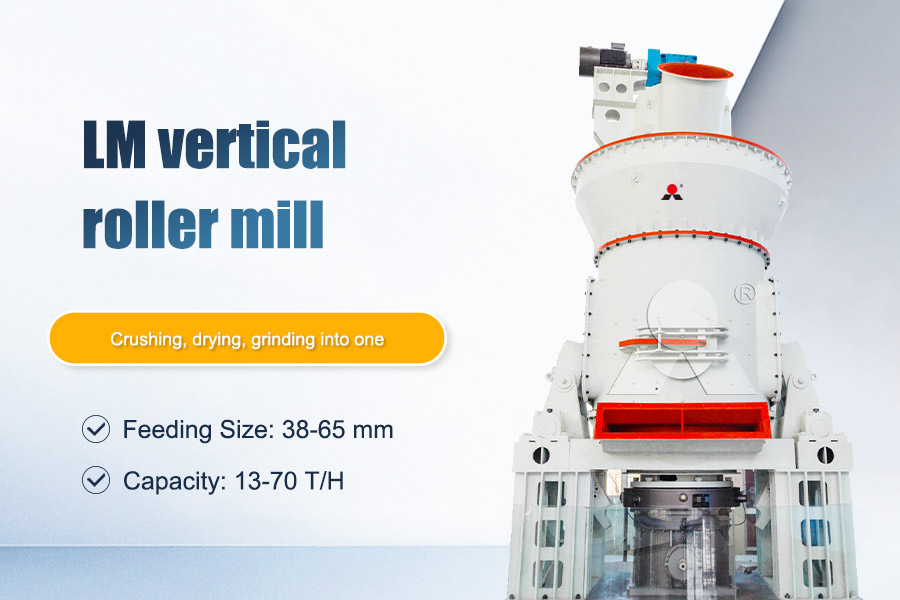
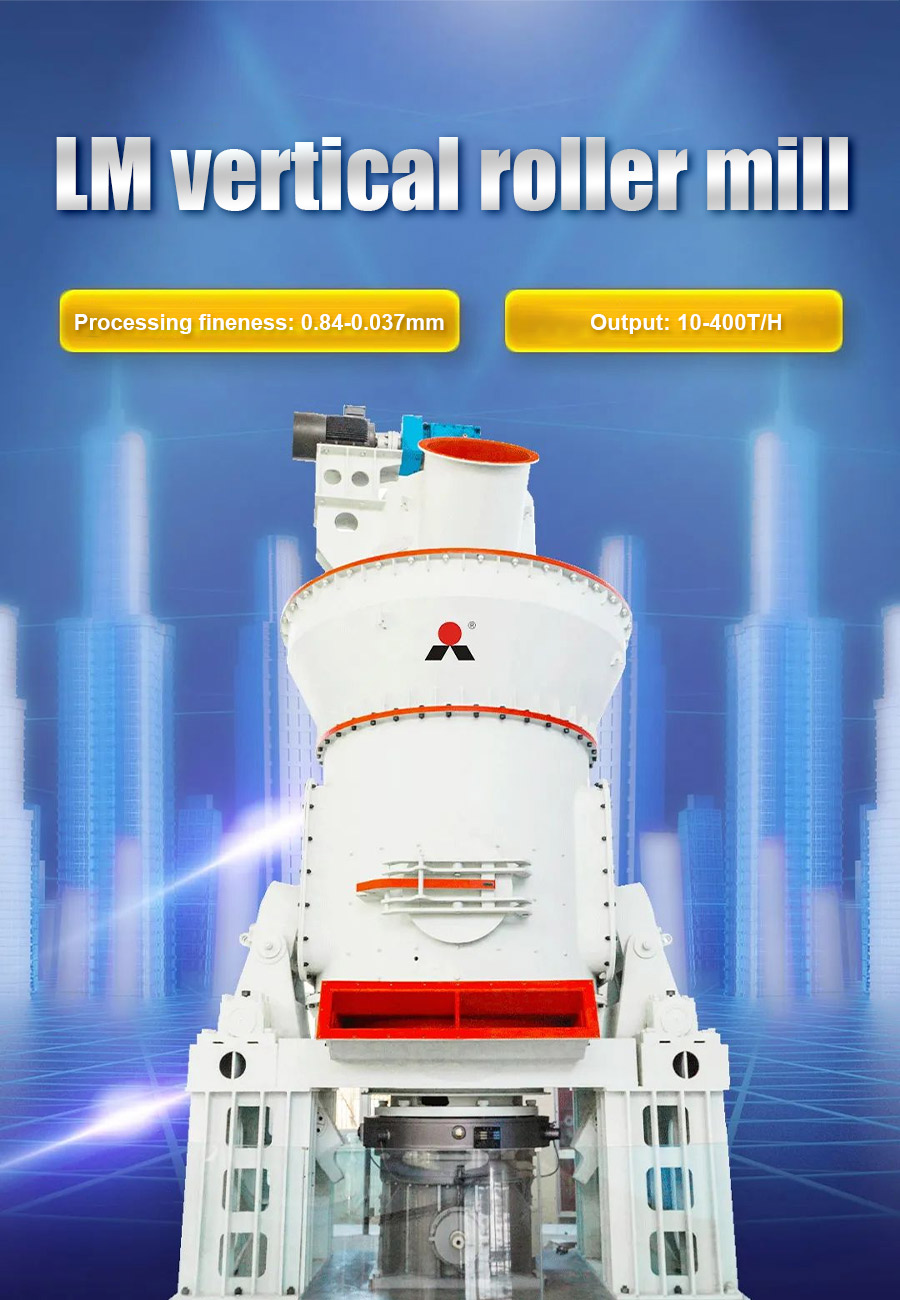
| LM Vertical Roller Mill | 200-800 mesh | 10-200 t/h | Large-scale mine deep processing, 10,000-ton EPC production lines | Large-scale projects above 50 t/h needing to accommodate multiple fineness levels |
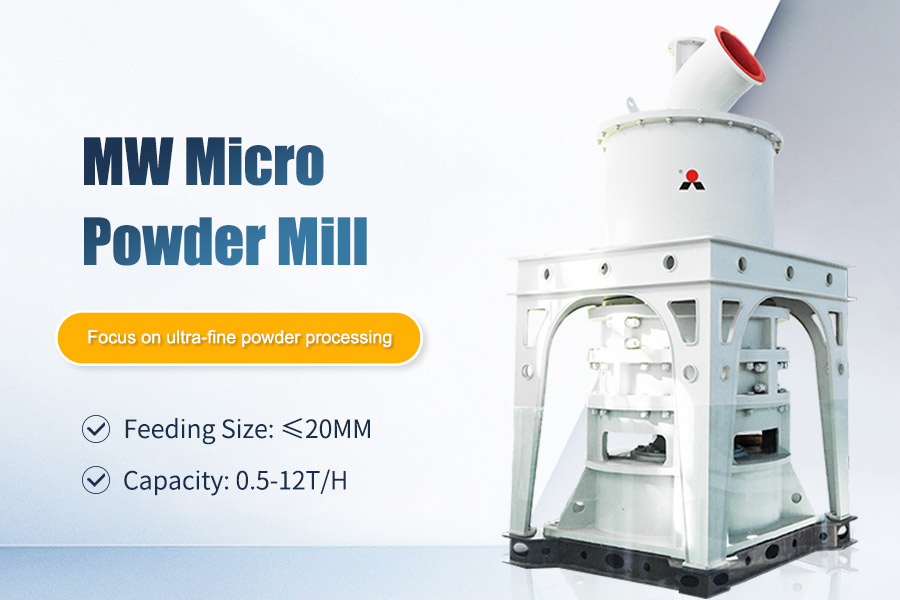
| MW Ring-Roller Micro Powder Mill | 800-1250 mesh | 1-18 t/h | High-end filler powder for coatings, rubber & plastics, papermaking | 800-1250 mesh mid-range fine powder with high whiteness and particle size distribution requirements |
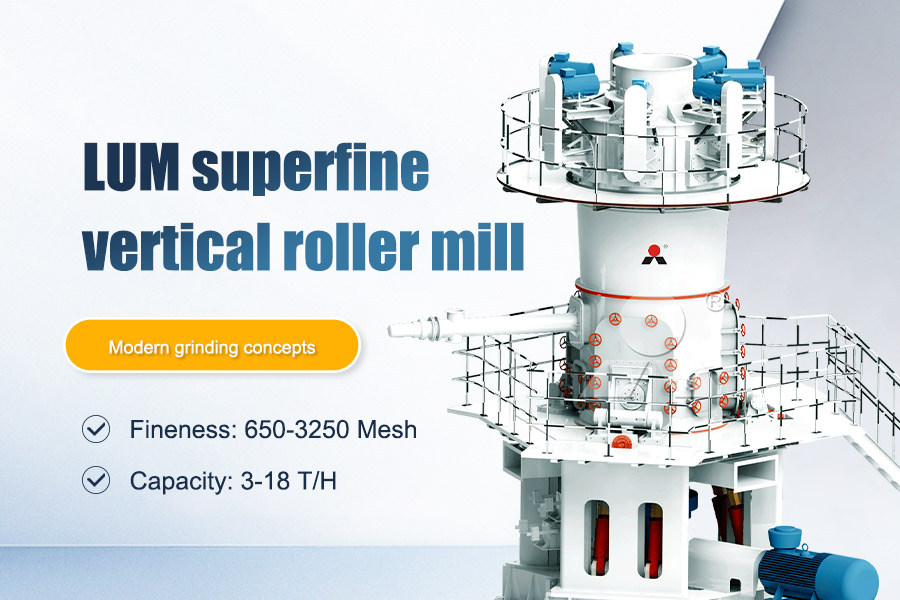
| LUM Ultra-Fine Vertical Mill | 1250-2500 mesh | 5-45 t/h | Barium salt chemicals, radiation shielding materials, high-end new material ultra-fine powder | Ultra-fine powder above 1500 mesh requiring uniform particle size and high purity |
3. In-Depth Analysis of Technical Features for Each Equipment Type
3.1 MTW European Grinding Mill
The MTW European mill is the mainstay model for barite coarse and medium powder processing. It adopts bevel gear integral transmission, an internal thin oil lubrication system, and a linked compression structure for grinding rollers. The grinding pressure curve has been optimized for the high-density characteristics of barite. Core advantages: stable capacity, convenient operation and maintenance, long wear parts replacement cycle, suitable for 24-hour continuous mass production. It is the standard configuration for 325-mesh drilling-grade barite powder.
3.2 LM Vertical Roller Mill
The LM vertical roller mill integrates crushing, drying, grinding, classification, and conveying in one unit. It features large single-machine capacity and low unit power consumption. It adopts a grinding roller limit device to avoid idle vibration, and the grinding rollers can be flipped outward for maintenance. For barite projects, Liming has optimized the classifier speed range and air volume ratio, allowing flexible adjustment between 200-800 mesh. It is suitable for large-scale integrated mine deep processing projects.
3.3 MW Ring-Roller Micro Powder Mill
The MW ring-roller micro powder mill adopts a multi-layer grinding ring and multi-grinding roller design. The classifier uses variable frequency control, resulting in narrow finished product particle size distribution and high D97 control precision. To meet barite whiteness retention requirements, the equipment interior adopts an iron-free pollution design, reducing iron chip contamination during the grinding process. It is suitable for the production of filler-grade barite powder with high whiteness requirements in coatings, rubber and plastics, and other industries.
3.4 LUM Ultra-Fine Vertical Mill
The LUM ultra-fine vertical mill is dedicated equipment for barite ultra-fine powder processing. It adopts an ultra-fine classifier and an optimized grinding chamber structure, capable of stably producing 1250-2500 mesh ultra-fine barite powder with controllable D97 particle size precision. The equipment adopts a fully negative-pressure closed system with zero dust leakage, equipped with a pulse dust collection system. It is suitable for high-end ultra-fine powder production in barium salt chemicals, radiation shielding materials, and other industries.
4. Typical Project Selection Cases
Case 1: Overseas Oil & Gas Supporting 325-Mesh Barite Project
Requirements: Annual output of 150,000 tons of API standard drilling-grade barite powder, raw ore moisture content 6%, feed particle size ≤30mm.
Selection: 2 sets of MTW175 European grinding mills, equipped with jaw crusher, elevator, pulse dust collector, and central control system.
Operating results: Finished product stable at 325 mesh, D97≤74μm, combined hourly output approximately 35 tons, dust emission compliant, continuous operation rate >95%.
Case 2: Domestic Coating-Grade 1250-Mesh Barite Project
Requirements: Hourly output of 8 tons of 1250-mesh barite powder, whiteness ≥92, for coating fillers.
Selection: 1 set of MW ring-roller micro powder mill, equipped with drying system (raw ore moisture content 10%), iron remover, and finished product silo.
Operating results: Finished product D97≤10μm, whiteness stable above 93, narrow particle size distribution, meeting high-end coating customer requirements.
5. Key Points to Avoid Pitfalls in Selection
- Don't just look at nameplate capacity: Equipment nameplate capacity is usually tested based on medium-hardness ores (such as limestone). Barite has high density, and actual capacity will be 10%-20% lower than nameplate
- Don't blindly pursue one machine for multiple uses: It is difficult for a single machine to simultaneously handle 325-mesh large capacity and 2000-mesh ultra-fine powder. Insufficient classification system matching will result in both products being substandard
- Don't ignore raw ore testing: Before selection, raw ore composition analysis and grinding tests must be conducted. Moisture content, impurities, and hardness directly affect process configuration
- Don't underestimate environmental investment: Barite grinding must be equipped with a negative-pressure closed dust collection system. Open production not only fails environmental compliance but also causes finished product loss
6. Frequently Asked Industry Questions
Q1: What are the mainstream models of barite grinding mills?
A: Mainstream barite grinding mills are divided into 4 categories: MTW European grinding mill (200-400 mesh), LM vertical roller mill (200-800 mesh), MW ring-roller micro powder mill (800-1250 mesh), and LUM ultra-fine vertical mill (1250-2500 mesh), each adapted to different fineness and capacity requirements.
Q2: Which grinding mill to choose for an annual output of 100,000 tons of barite powder?
A: For an annual output of 100,000 tons of barite powder (calculated based on 300 operating days per year and 16 hours per day, approximately 21 tons per hour), if producing 325-mesh drilling-grade powder, the MTW175 European mill or LM vertical roller mill is recommended; if multiple fineness levels need to be accommodated, the LM vertical roller mill offers greater flexibility.
Q3: Can barite grinding mills and limestone grinding mills be used interchangeably?
A: Direct interchangeability is not recommended. Barite has a density of 4.5g/cm³, much higher than limestone (2.7g/cm³), and has different requirements for grinding roller pressure, classifier speed, and dust collection system airflow. Liming Heavy Industry can customize and adjust equipment configurations based on material parameters to ensure stable barite powder quality.
Q4: What parameters need to be provided for barite grinding mill selection?
A: For selection, you need to provide: raw ore hardness (Mohs), raw ore moisture content, feed particle size, finished product fineness requirements (mesh/D97), expected hourly output or annual output, finished product application (drilling/coatings/chemical), and local environmental emission standards. These parameters directly determine the equipment model and process configuration.
Q5: Is it worth buying a used barite grinding mill?
A: Prioritizing used equipment is not recommended. The core components of a grinding mill (grinding rollers, grinding rings, classifier impellers) have fixed wear cycles. The remaining life of used equipment is unknown, and the cost of replacing parts later may exceed the price difference, plus you cannot enjoy original factory warranty and process commissioning services.