Turkey is an important barite producer in Eurasia, with mining areas mainly distributed in Kayseri, Konya, and Antalya provinces. The raw ore has medium-to-high grade and low heavy metal content, making it a high-quality raw material for producing high-end fillers. At the same time, Turkey, with its superior geographical location and customs union advantages, has become the fourth largest tire producer in the world. International tire giants such as Pirelli, Michelin, Goodyear, and Continental all have factories in Turkey, and the rubber industry has strong demand for high-quality functional fillers.
However, Turkey's local barite processing has long been limited to coarse powder, and rubber-grade high-purity ultra-fine powder is almost entirely imported from China and Morocco, with high prices. As EU REACH regulations impose increasingly strict requirements on heavy metal content in rubber products, the price of imported high-purity barite powder continues to rise. A large local mining company decided to invest in building a rubber filler grade high-purity barite powder production line. After process comparison, it finally adopted the "flotation beneficiation + ultra-fine grinding" combined process, removing quartz, calcite and other gangue minerals and heavy metal impurities through flotation before grinding, ensuring finished product purity and environmental compliance.
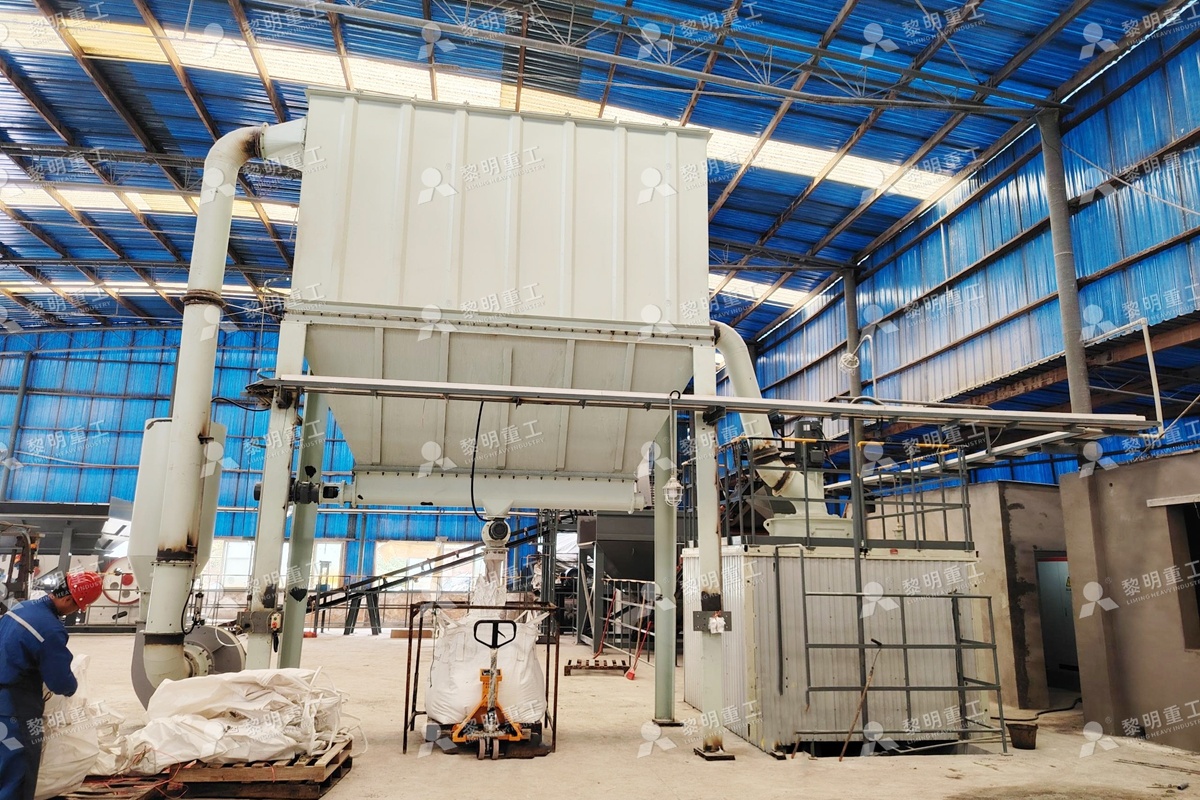
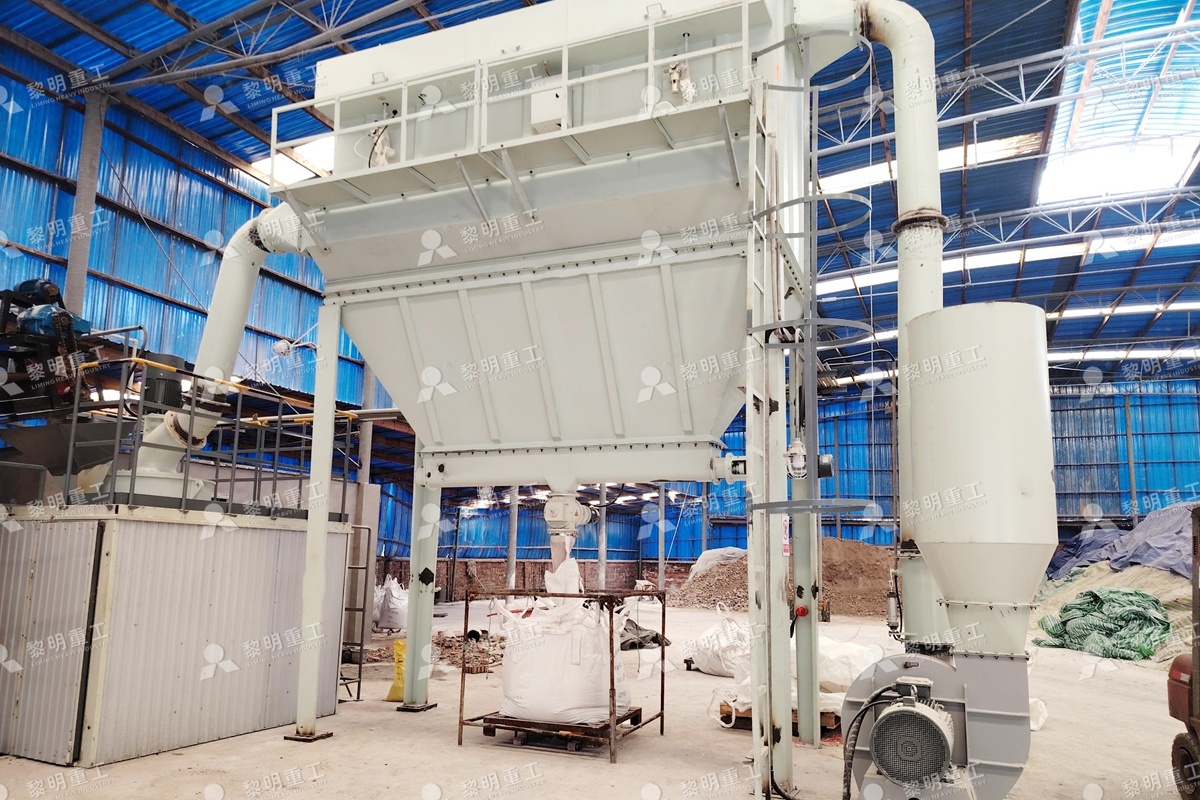
Based on the strict requirements of rubber filler grade products for high purity, low heavy metals, and fine particle size, a beneficiation + grinding combined production line is configured. The core equipment is as follows:
Fine jaw crusher, crushing 0-25mm barite ore to 3-10mm, with large crushing ratio and uniform product particle size, providing suitable feed size for subsequent flotation beneficiation.
Equipped with overflow ball mill, wet grinding the crushed material to -325 mesh accounting for more than 70%, achieving full monomer dissociation of barite and gangue minerals, which is a prerequisite for flotation beneficiation.
Equipped with mechanical stirring flotation machine set, adopting "one roughing, one scavenging, two cleanings" flotation process. By adjusting pulp pH and adding collectors and inhibitors, selectively float barite concentrate, removing quartz, calcite, fluorite and other gangue minerals and associated heavy metals. Concentrate BaSO4 grade increases from 85-90% of raw ore to over 98.5%.
Flotation barite concentrate pulp is thickened by thickener and dewatered by filter press, obtaining filter cake with moisture ≤10%, then dried by dryer to moisture ≤0.5%, preparing for dry ultra-fine grinding.
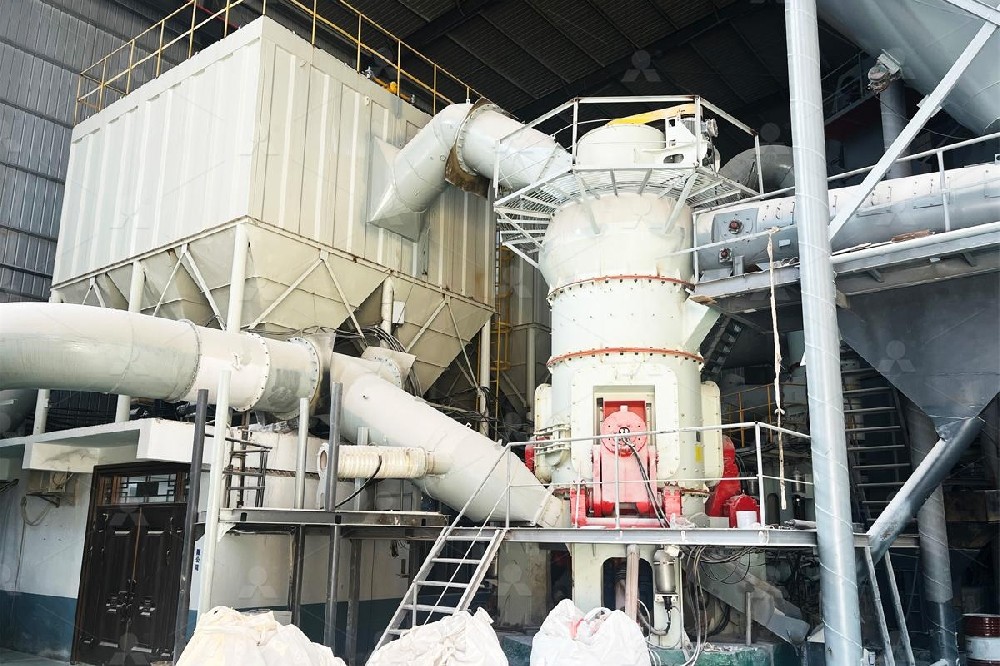
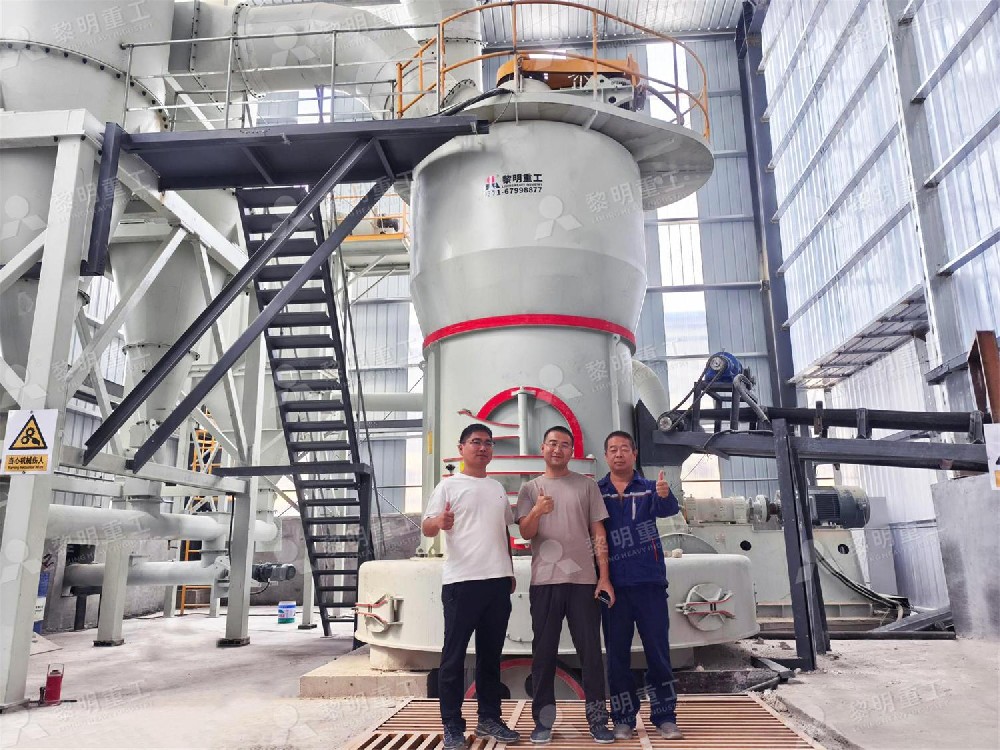
Adopting multi-layer grinding ring and multi-roller design, grinding the dried high-purity barite concentrate to 600-1000 mesh. The classifier adopts variable frequency control, with narrow finished product particle size distribution and high D97 controllable precision. For barite whiteness retention needs, the equipment interior adopts iron-free pollution design.
Variable frequency high-precision turbine classifier, high classification accuracy, 600-1000 mesh finished product D97 pass rate ≥97%, narrow particle size distribution, ensuring uniform dispersion in rubber filling.
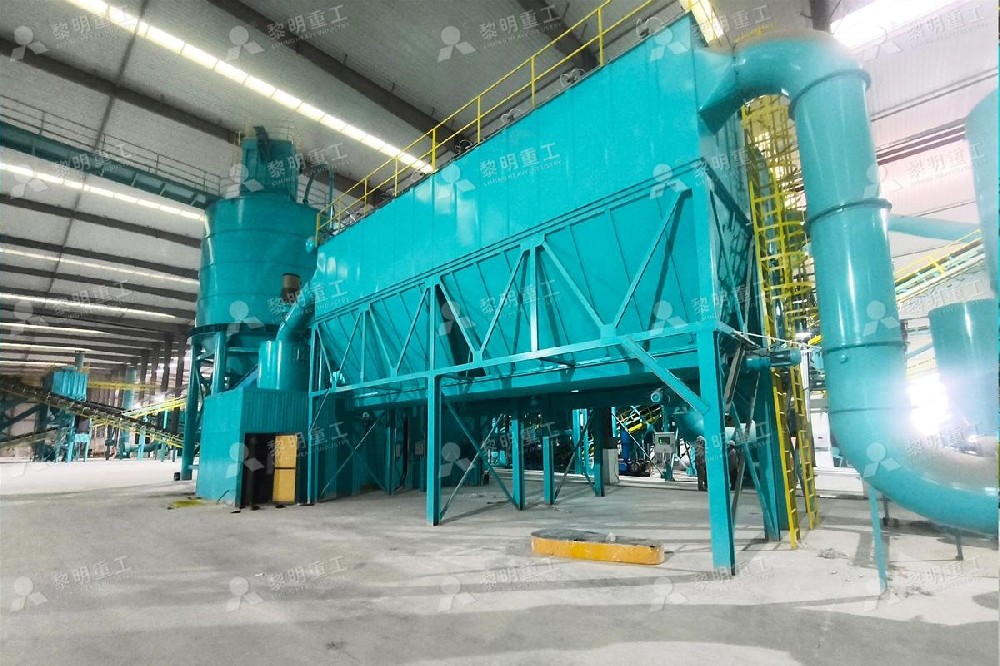
Membrane filter material pulse dust collector, ultra-fine dust collection rate up to 99.99%, emission concentration below 10mg/m³, meeting EU environmental standards.
Equipped with valve port packaging machine + automatic palletizing, 25kg/bag precise packaging, adapted to standardized feeding requirements of European enterprises.
The project adopts a "flotation beneficiation + ultra-fine grinding" combined process, first beneficiation then grinding, ensuring finished product high purity and low heavy metals. The specific process is as follows:
Barite ore mined in the Kayseri mining area is transported to the factory raw material bin by dump truck, uniformly fed into the C6X jaw crusher by vibrating feeder, crushed to 3-10mm.
Crushed material is sent to the ball mill for wet grinding to -325 mesh accounting for more than 70%, fully dissociating barite from gangue minerals such as quartz and calcite. The ground pulp is sent to the stirring tank for pulp conditioning.
Conditioned pulp enters the flotation machine set, adopting "one roughing, one scavenging, two cleanings" process: roughing floats most barite concentrate, scavenging recovers residual barite in tailings, two cleanings further remove gangue and heavy metal impurities. Flotation concentrate BaSO4 grade ≥98.5%, total heavy metals below 50ppm.
Flotation concentrate pulp is thickened to 40-50% concentration by thickener, then dewatered by filter press to obtain filter cake with moisture ≤10%. The filter cake is sent to the dryer and dried to moisture ≤0.5%. The dry powder is cooled and sent to the pre-grinding bin.
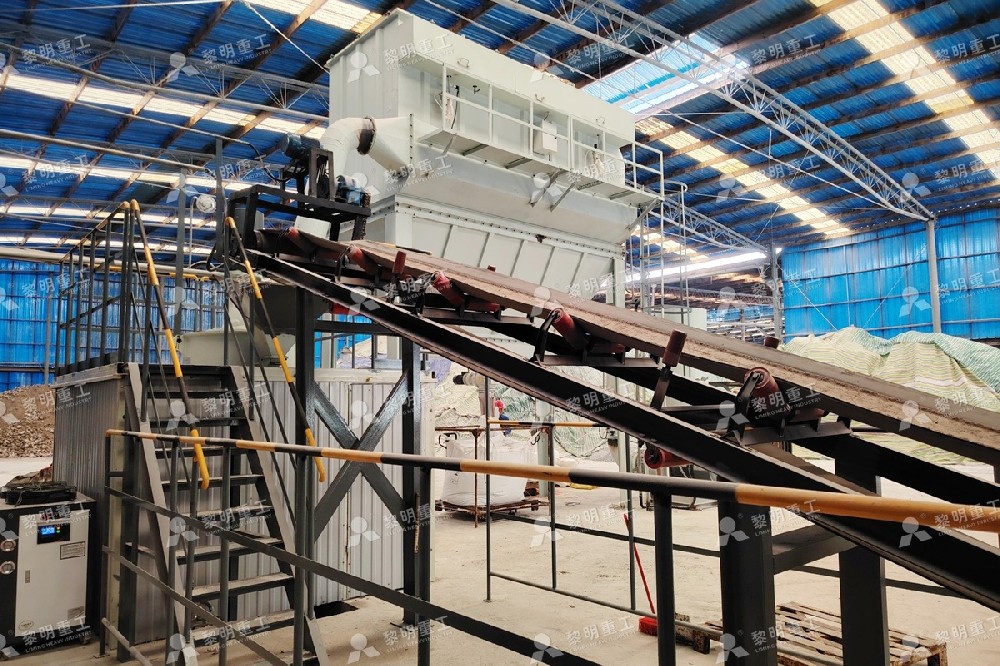
Dried high-purity barite concentrate is quantitatively fed into the MW ultra-fine ring-roller mill by screw conveyor, pulverized to 600-1000 mesh ultra-fine powder under the rolling and shearing action of grinding rollers and rings.
Ground powder enters the turbine classifier with the airflow. Qualified fine powder passes through the classifier wheel and is collected in two stages by cyclone collector and pulse dust collector. Unqualified coarse powder falls back to the grinding chamber for secondary grinding.
Collected high-purity barite powder is sent to the finished product bin by screw conveyor, packaged by fully automatic valve port packaging machine as 25kg/bag, automatically palletized and warehoused or delivered.
It is the first large-scale rubber filler grade high-purity barite powder deep processing production line in Turkey and even Europe, filling the gap in regional high-purity rubber-grade barite powder production capacity, ending the history of complete dependence on imports for rubber-grade barite powder in Europe.
Through the "one roughing, one scavenging, two cleanings" flotation process, raw ore BaSO4 content is increased from 85-90% to over 98.5%, total heavy metals (Pb, As, Cd) below 50ppm, fully meeting EU REACH regulations and tire industry strict environmental requirements.
Turkey is the fourth largest tire producer in the world. Pirelli, Michelin, Goodyear, Continental and other giants all have factories in Turkey. The project has a short logistics radius from major European tire production bases, and products can be quickly supplied to Germany, France, Italy, Spain and other European markets.
Turkey has a customs union with the EU, industrial products export to EU 27 countries enjoy zero-tariff treatment, and no cumbersome certificate of origin procedures are required. Compared with imports from China (most-favored-nation tariff 3-5%, higher after anti-dumping), Turkish products can save 5-10% comprehensive costs, and sea/land transportation time is shortened from 25-35 days to 5-7 days, having extremely strong competitiveness in the European market.
Finished products pass SGS testing, heavy metal content far below EU REACH regulation limits, can provide complete test reports and compliance declarations, helping tire customers smoothly pass EU environmental certification.
High-precision turbine classifier ensures 600-1000 mesh finished product D97 pass rate ≥97%, narrow particle size distribution and stable specific surface area, uniform dispersion in rubber matrix, can significantly improve wear resistance, aging resistance and dimensional stability of rubber products.
Barite powder in rubber mainly plays the role of filling weight, improving wear resistance and aging resistance. Low purity will lead to increased hard impurities such as quartz and calcite in the filler, accelerating wear of rubber processing equipment and affecting product surface finish. High heavy metal content (Pb, As, Cd, etc.) cannot pass EU REACH regulations and ROHS directives, and products cannot enter the European market. This project increases BaSO4 content to over 98.5% through flotation beneficiation, with total heavy metals below 50ppm, fully meeting high-end rubber product requirements.
Flotation beneficiation will increase processing costs by about 30-40% (including grinding, flotation reagents, dewatering and drying, etc.), but finished product selling price can increase by 80-120%. High-purity low-heavy-metal barite powder belongs to high-end functional fillers, customers have low price sensitivity and value quality stability and compliance certification more. For projects targeting European tire and high-end rubber markets, flotation beneficiation is a necessary process investment, with an investment return period of about 2-2.5 years and significant long-term economic benefits.
Yes. Turkey has a customs union with the EU, industrial products export to EU 27 countries enjoy zero-tariff treatment, and no cumbersome certificate of origin procedures are required. Compared with imports from China (most-favored-nation tariff 3-5%, higher after anti-dumping), Turkish products can save 5-10% comprehensive costs, and sea/land transportation time is shortened from 25-35 days to 5-7 days, having extremely strong competitiveness in the European market.
Both are commonly used rubber fillers, but their performance differs significantly: barite powder has high density (4.2-4.5), and after filling can significantly increase product weight, suitable for rubber products requiring weight increase (such as tire weight, rubber flooring, sound insulation materials); at the same time, barite powder has better acid and alkali resistance and aging resistance than calcium carbonate, with stronger chemical inertness. Calcium carbonate has low density (2.7) and lower cost, suitable for incremental filling of general rubber products. The high-purity barite powder produced by this project mainly targets high-end rubber applications requiring high specific gravity and high weather resistance.
No. Collectors (such as oleic acid) and inhibitors (such as sodium silicate, sodium hexametaphosphate) used in the flotation process adhere to the mineral surface. After subsequent processes such as thickening, pressure filtration, and drying, most flotation reagents are discharged with wastewater or decomposed and volatilized during high-temperature drying. The residual amount of flotation reagents in the final finished product is extremely low (below 100ppm), and will further decompose during the high-temperature (120-160°C) rubber mixing process, without affecting the performance and environmental indicators of rubber products. The finished product of this project has passed comprehensive SGS testing and can provide complete test reports.
It can be flexibly adjusted. The flotation-purified concentrate has high grade and low impurities, and is a high-quality raw material for producing various high-end barite powders. By adjusting the classifier speed of the ultra-fine grinding mill, fineness can be steplessly adjusted within 200-1250 mesh, producing different specifications such as drilling grade (200-325 mesh), coating grade (400-800 mesh), rubber grade (600-1000 mesh). The flotation system can also flexibly adjust the reagent system according to raw ore grade, adapting to purity requirements of different application scenarios.
This project is equipped with a complete environmental protection treatment system: flotation wastewater is recycled after lime neutralization → sedimentation → pressure filtration → activated carbon adsorption, with water circulation utilization rate over 90%, very little discharged wastewater and all indicators up to standard; acid mist is treated by alkali spray absorption tower before discharge, with hydrochloric acid removal rate ≥95%; flotation tailings (mainly quartz, calcite, etc.) can be sold as construction sand or cement raw materials after pressure filtration and dewatering, realizing solid waste resource utilization. The entire production line meets EU and Turkish environmental standards and has passed local environmental approval.