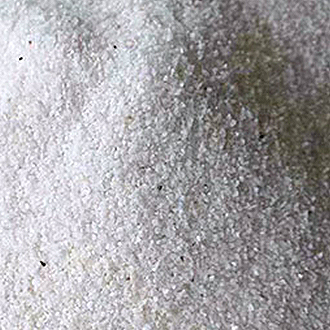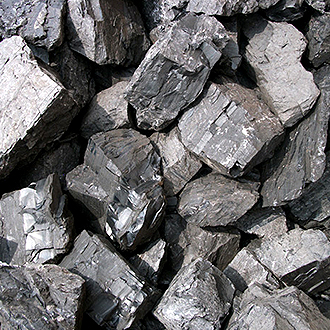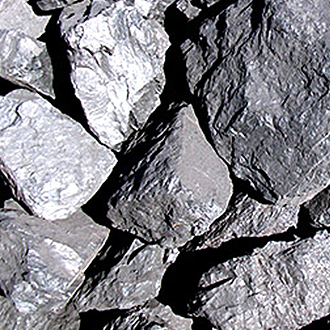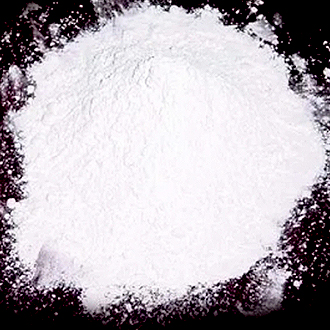
Processed Materials:
-
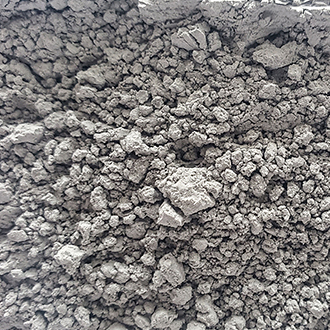
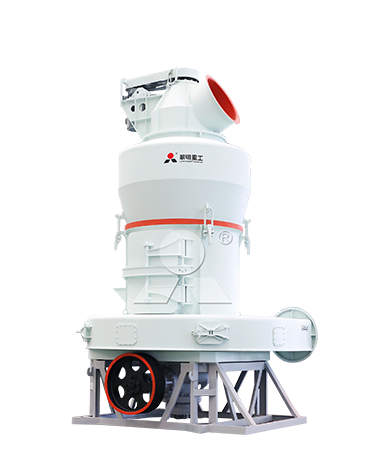
Cement Clinker Grinding Mill
-
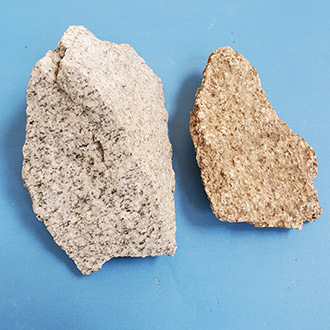
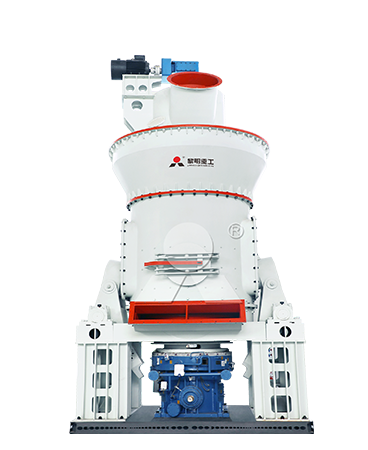
Marble mill
-
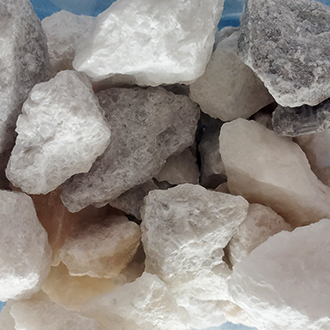
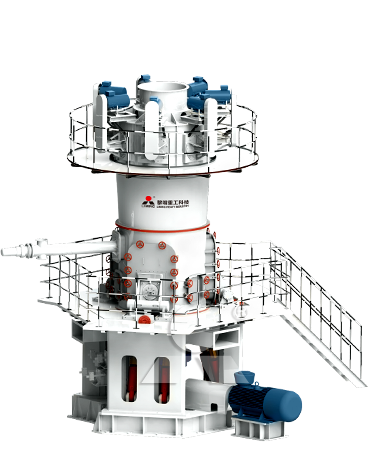
Calcite mill
-
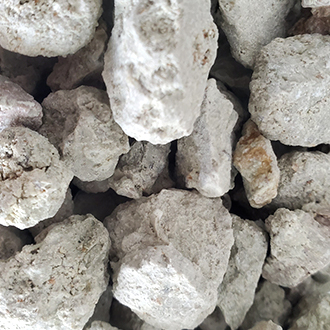
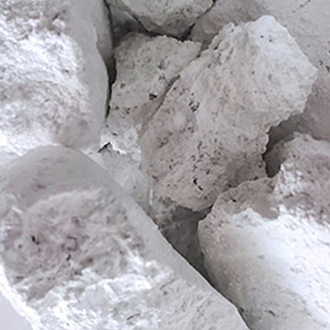
Bentonite grinding and processing
Maintenance-free
Applications:
It is suitable for grinding various non-flammable and non-explosive materials with a Mohs hardness below 7 and a water content of less than 6% in the fields of building materials, metallurgy, electric power, chemical industry, new energy, new materials, large and medium-sized non-metallic mineral powder making, limestone, calcite, dolomite, marble, gypsum, quicklime, heavy calcium carbonate powder making, environmentally friendly desulfurized limestone powder making, magnetic rare earth materials, bentonite, kaolin, bauxite, barite, clean coal powder preparation, petroleum coke powder making, etc.
Capacity: 6-55t/h
Input size: 35-50mm
Performance Advantages
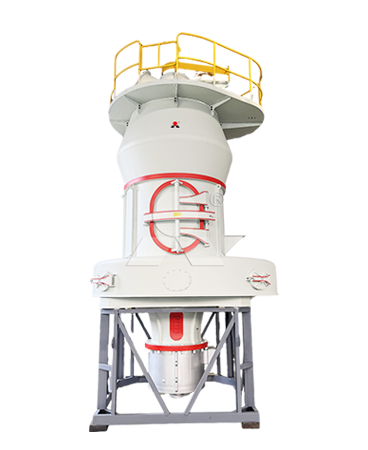
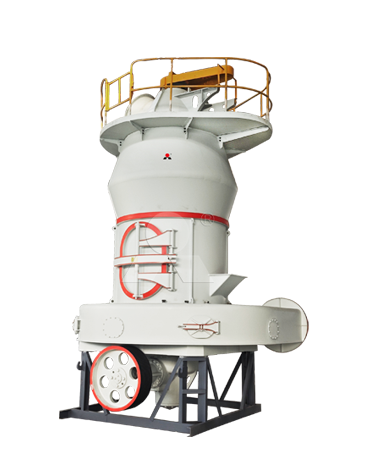
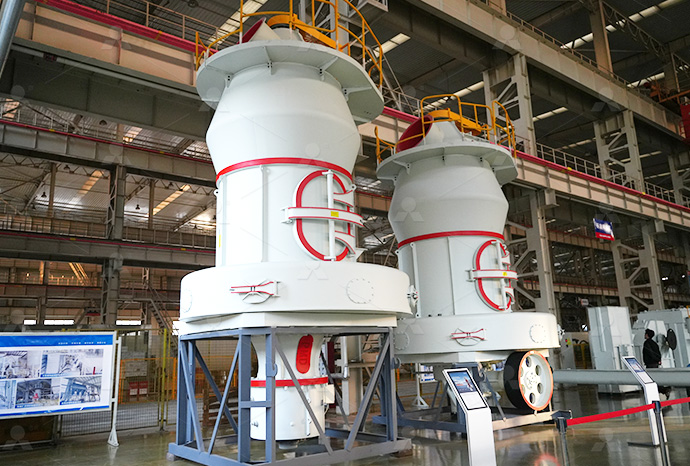
Continuing the characteristics of the MTW European version of the grinding mill with bevel gear integral transmission, it has fewer transmission chains and more precise transmission ratios.
The main engine system and grinding roller system are all lubricated with thin oil, which can avoid downtime maintenance.
The new analyzer appearance and structure have better sealing, high air flow speed, high powder selection efficiency and precision;
The system is equipped with a new high-performance fan, which improves aerodynamic efficiency by 15% and saves 8-10% of electricity compared to traditional fans.
Multi-point condition monitoring provides early warnings, ensuring stable operation and higher quality finished powder, enhancing market competitiveness.
Equipped with an intelligent control system, it collects and analyzes data in real time and enables one-click control via the mobile phone APP.
Working Principle
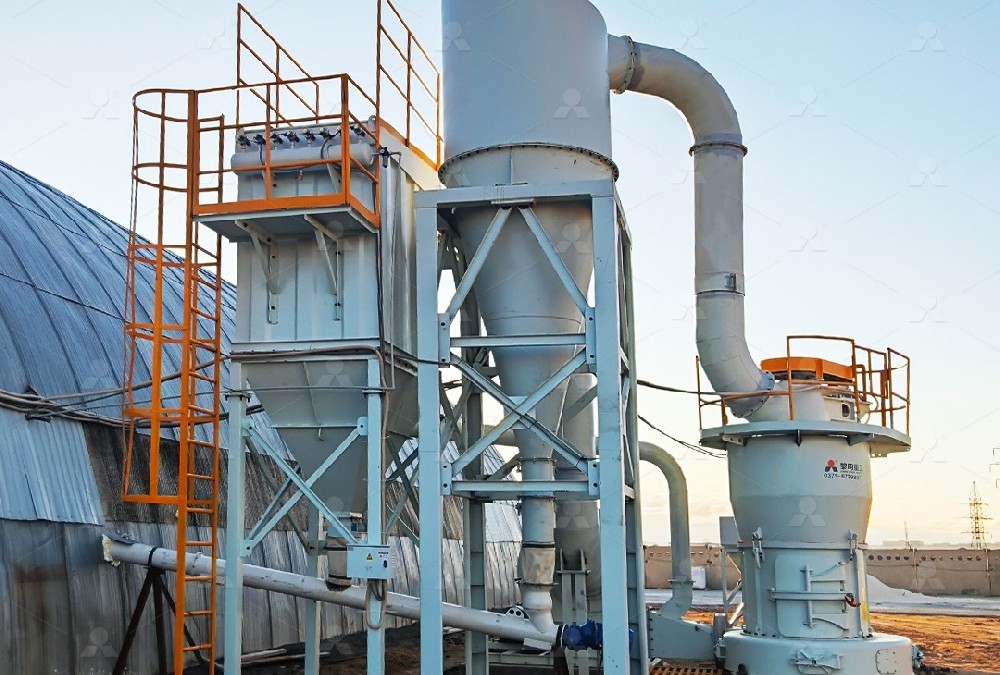
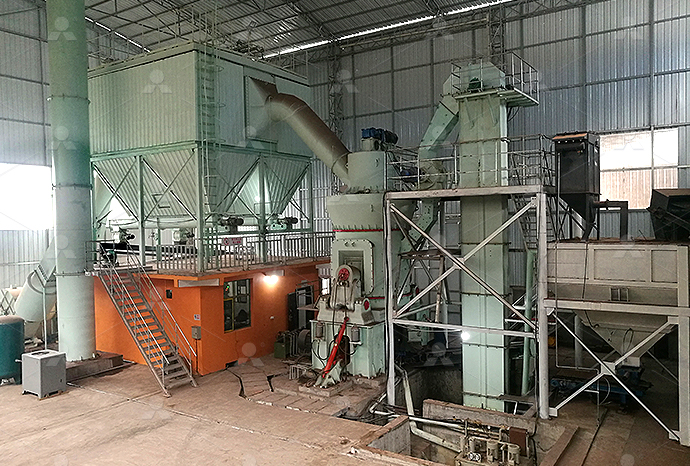
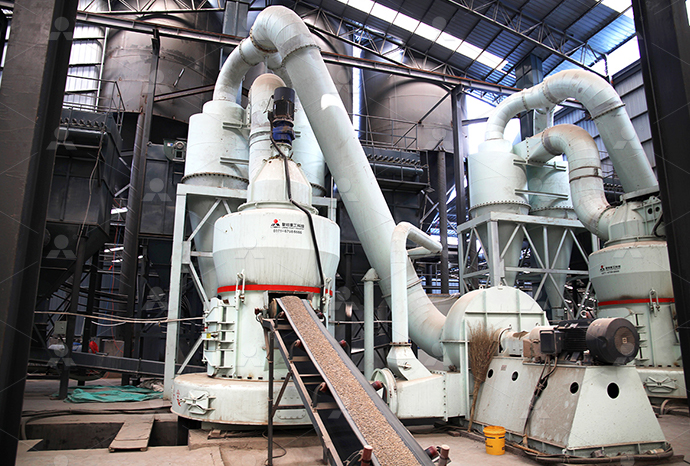
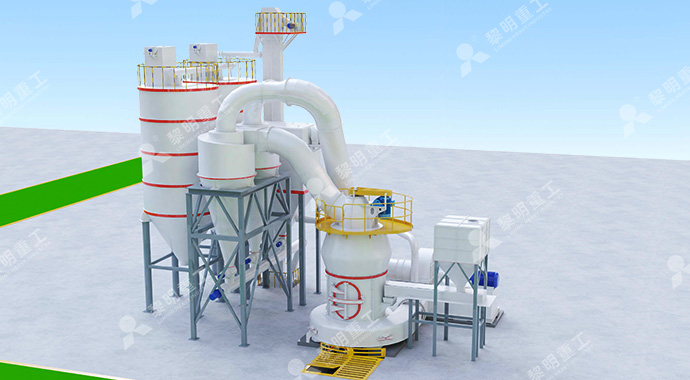
After crushing, the qualified material is fed evenly and quantitatively into the main grinding chamber by a variable frequency belt feeder for grinding. The ground material is then sent by airflow from a blower to a classifier for grading. Under the action of the classifier, material that does not meet the fineness requirements falls back into the grinding chamber for regrinding, while the qualified material is carried by the airflow through a pipeline into a cyclone dust collector for separation and collection. The collected material is then discharged as the finished powder through a discharge device. The separated airflow returns to the blower through the return air duct at the top of the cyclone dust collector. The system operates under negative pressure and is equipped with a pulse dust collector, meeting national environmental protection standards.
Specifications
Hot Sale: patented technology, high productivity, environmental protection and energy saving
FAQ
What does daily maintenance of the MTW6X Fully Thin-Oil Lubricated Intelligent European Grinding Mill mainly include?
Daily MTW6X Fully Thin-Oil Lubricated Intelligent European Grinding Mill maintenance centers on the thin-oil system: check oil level, color, temperature and pressure, and refill online on schedule; clean pulse-collector bags and pipeline dust; inspect wear parts like rollers, rings and scrapers; review vibration and current trends via APP. Thin-oil design lets most maintenance be done online without frequent stops.
What transmission method does the MTW6X Fully Thin-Oil Lubricated Intelligent European Grinding Mill use?
The MTW6X Fully Thin-Oil Lubricated Intelligent European Grinding Mill adopts the bevel-gear integral drive inherited from the European mill series. The main motor drives the central shaft via a reducer, giving a shorter chain and more precise ratio with smooth, efficient power transfer. Compared with belt or multi-stage drives, it reduces energy loss and failure points and, with thin-oil lubrication, improves reliability.
What is the finished product fineness range of the MTW6X Fully Thin-Oil Lubricated Intelligent European Grinding Mill?
The MTW6X Fully Thin-Oil Lubricated Intelligent European Grinding Mill offers continuously adjustable fineness from 1.6 mm down to 0.045 mm, with the finest output reaching 0.038 mm (about 400 mesh). Its new-type analyzer features higher air velocity and better sealing, greatly improving powder-selection precision and efficiency while stably producing powders that meet diverse industrial granularity requirements.
What limits does the MTW6X Fully Thin-Oil Lubricated Intelligent European Grinding Mill place on feed moisture and hardness?
The MTW6X Fully Thin-Oil Lubricated Intelligent European Grinding Mill requires feed Mohs hardness below 7 and moisture under 6%. Excess hardness accelerates roller and ring wear; too much moisture causes sticking, blockage and lower selection efficiency. Pre-drying or airing after crushing to a suitable moisture level lets the mill deliver its best capacity and energy performance.
Which materials is the MTW6X Fully Thin-Oil Lubricated Intelligent European Grinding Mill suitable for processing?
The MTW6X Fully Thin-Oil Lubricated Intelligent European Grinding Mill is ideal for non-flammable, non-explosive materials with Mohs hardness below 7 and moisture under 6%, such as limestone, calcite, dolomite, marble, gypsum, quicklime, heavy calcium carbonate, desulfurization limestone, bentonite, kaolin, bauxite, barite, clean coal and petroleum coke, across building, metallurgy, power, chemical and new-material industries.
Does the MTW6X Fully Thin-Oil Lubricated Intelligent European Grinding Mill thin-oil lubrication require shutdown maintenance?
No. The MTW6X Fully Thin-Oil Lubricated Intelligent European Grinding Mill uses full thin-oil lubrication on both main unit and rollers with online lubrication and monitoring, allowing refilling and inspection during operation and eliminating the downtime needed for traditional grease. This raises running rate and cuts unplanned stops, ideal for continuous large-scale powder lines.