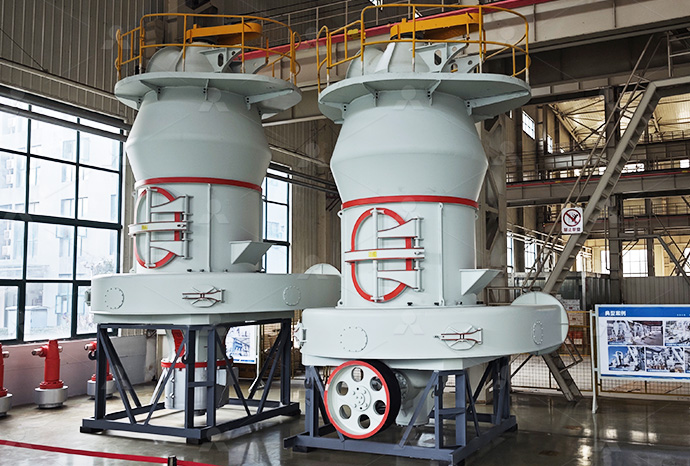
Processed Materials:
-
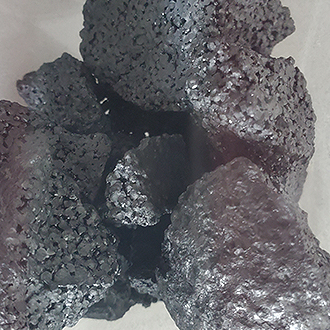
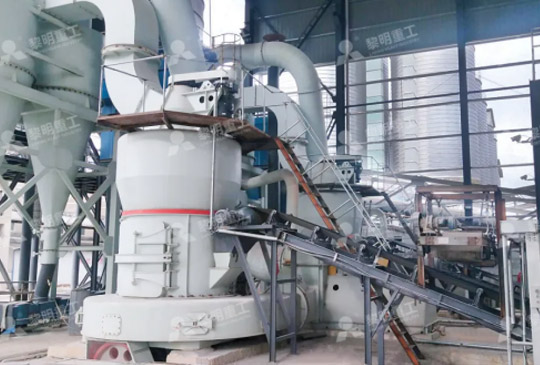
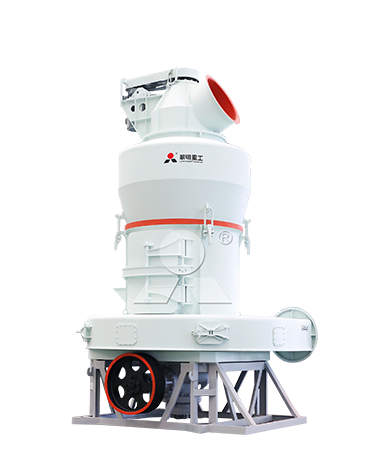
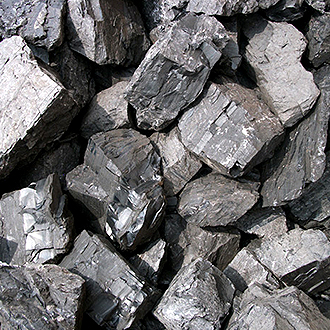
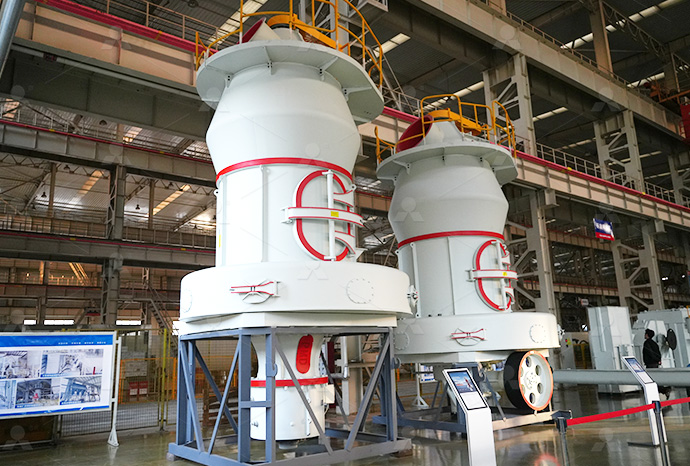
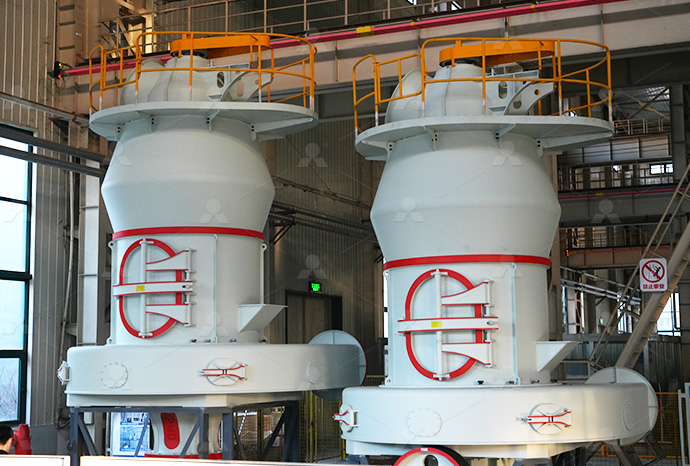
Petroleum coke grinding mill
-
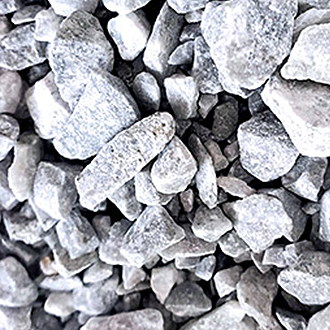
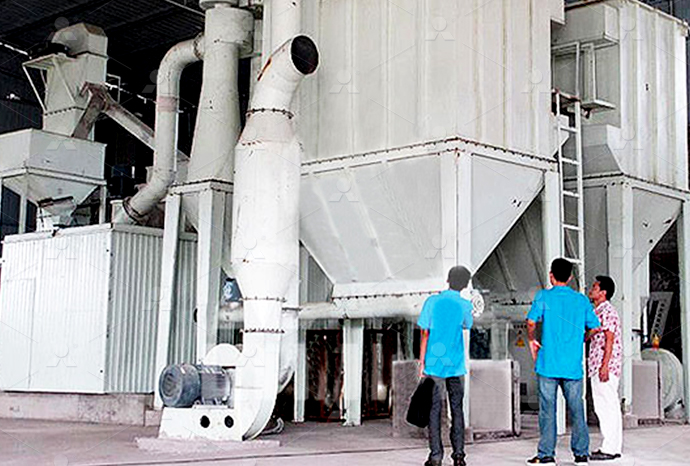
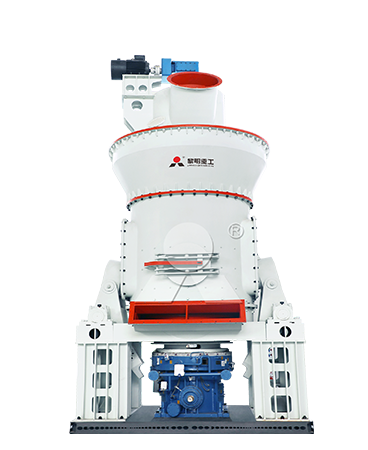
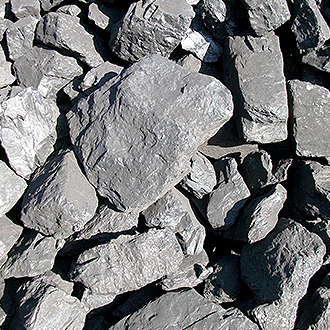
POP and gypsum board plant
-
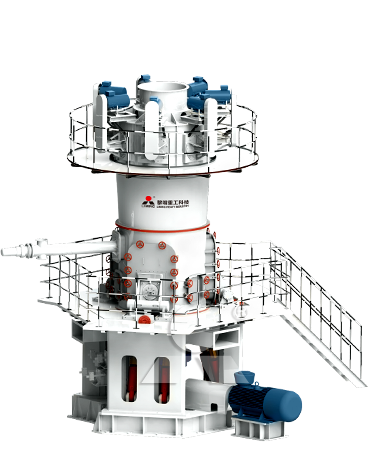
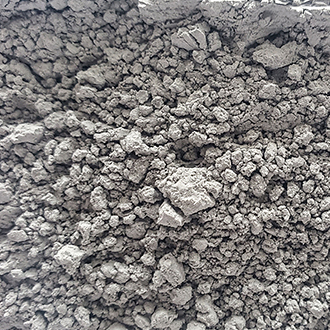
Barite Mill
-
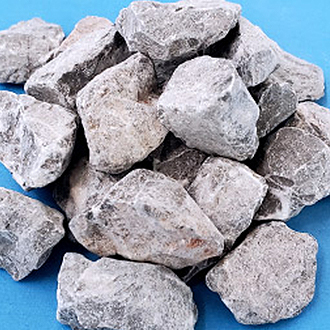
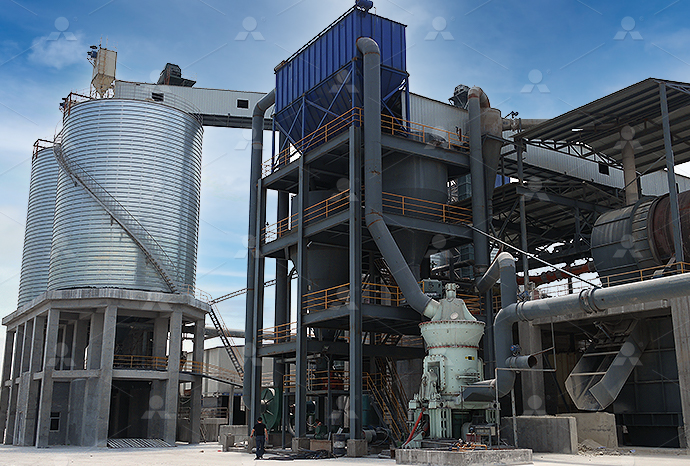
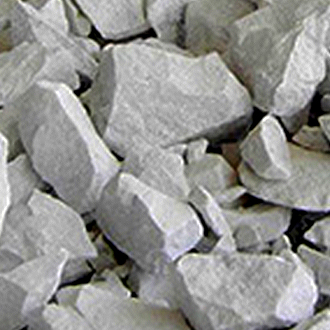
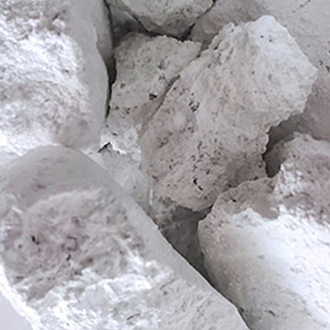
Limestone Grinding Mill
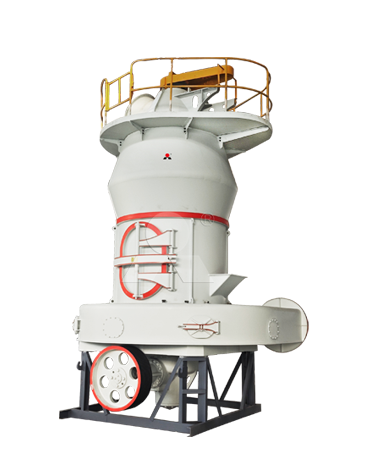
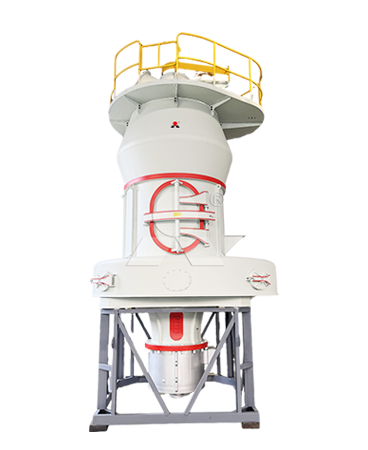
Permanent magnet direct drive, power upgrade
Applications:
It is suitable for grinding various non-flammable and non-explosive materials with a Mohs hardness of less than 7 and a moisture content of less than 6% in the fields of building materials, metallurgy, power, chemical industry, new energy, new materials, large and medium-sized non-metallic mineral powder making, limestone, calcite, dolomite, marble, gypsum, quicklime, heavy calcium carbonate powder making, environmentally friendly desulfurization limestone powder making, magnetic rare earth materials, bentonite, kaolin, bauxite, barite, clean coal powder preparation, and petroleum coke powder making.
Capacity: 6-55 t/h
Input size: 35-50mm
Performance Advantages
Permanent magnet direct drive motors offer stronger, more stable power, higher reliability, and overall energy savings of 15%.
Equipped with an intelligent lubrication system, the analyzer, main unit, and all motors are lubricated online, enabling operation without downtime.
The new analyzer features a superior appearance and structure, better sealing, higher airflow velocity, and higher powder selection efficiency and accuracy.
The system is equipped with a new high-performance fan, which improves aerodynamic efficiency by 15% and saves 8-10% of electricity compared to traditional fans;
Multi-point status monitoring enables early warning, ensuring stable operation, higher quality finished powder, and enhanced market competitiveness.
Equipped with an intelligent control system, it collects and analyzes data in real time, enabling one-click control via a mobile app.
Working Principle
After crushing, the qualified material is fed evenly and quantitatively into the main grinding chamber by a variable frequency belt feeder for grinding. The ground material is then sent by airflow from a blower to a classifier for grading. Under the action of the classifier, material that does not meet the fineness requirements falls back into the grinding chamber for regrinding, while the qualified material is carried by the airflow through a pipeline into a cyclone dust collector for separation and collection. The collected material is then discharged as the finished powder through a discharge device. The separated airflow returns to the blower through the return air duct at the top of the cyclone dust collector. The system operates under negative pressure and is equipped with a pulse dust collector, meeting national environmental protection standards.
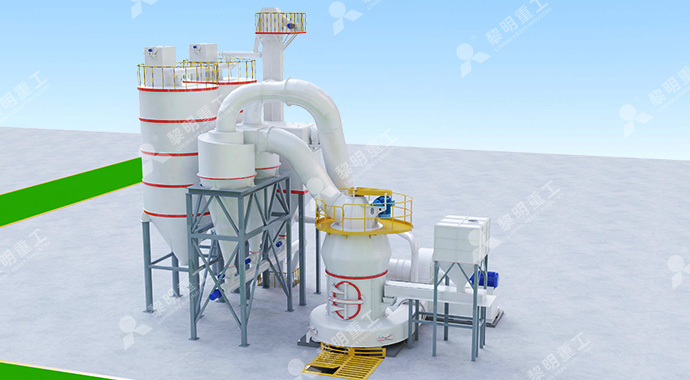
Specifications
Hot Sale: patented technology, high productivity, environmental protection and energy saving
FAQ
What are the features of the PMD New-Generation Permanent-Magnet Direct-Drive Intelligent European Grinding Mill high-efficiency analyzer?
The PMD New-Generation Permanent-Magnet Direct-Drive Intelligent European Grinding Mill is equipped with a redesigned analyzer with better sealing and higher air velocity, markedly improving selection efficiency and classification precision. Faster collection of qualified fines and prompt return of coarse particles ensure uniform size and less over-grinding and energy use.
How is product collection and packaging achieved on the PMD New-Generation Permanent-Magnet Direct-Drive Intelligent European Grinding Mill?
Qualified fine powder enters the cyclone collector for gas-solid separation and is discharged by a rotary valve; ultrafine fractions are captured again by the pulse collector. Product is pneumatically conveyed to silos or ton-bag packers for automated filling under negative pressure.
What are the advantages of the PMD New-Generation Permanent-Magnet Direct-Drive Intelligent European Grinding Mill permanent-magnet direct-drive motor?
The PMD New-Generation Permanent-Magnet Direct-Drive Intelligent European Grinding Mill uses a permanent-magnet synchronous motor driving the main shaft directly, removing the reducer and coupling for a shorter, more efficient chain. Versus asynchronous systems it saves about 15% energy, with low-speed high-torque starts, stronger overload capacity and fewer wear-prone transmission parts.
How are PMD New-Generation Permanent-Magnet Direct-Drive Intelligent European Grinding Mill after-sales service and spare parts supplied?
The maker offers installation guidance, training, remote diagnosis and follow-ups, with key wear parts stocked for fast shipment. The smart system enables cloud diagnosis to locate most faults online. An annual agreement lets the maker track data and warn early.
What is the PMD New-Generation Permanent-Magnet Direct-Drive Intelligent European Grinding Mill transmission system structure?
The PMD New-Generation Permanent-Magnet Direct-Drive Intelligent European Grinding Mill drives the central shaft directly with a permanent-magnet synchronous motor, eliminating the reducer, fluid coupling and coupling. This direct layout transfers power with less loss; main-shaft speed is precisely controlled by frequency conversion for smooth, low-noise operation across conditions.
What lubrication method does the PMD New-Generation Permanent-Magnet Direct-Drive Intelligent European Grinding Mill use?
The PMD New-Generation Permanent-Magnet Direct-Drive Intelligent European Grinding Mill applies thin-oil lubrication to the main unit and rollers in a closed loop with online monitoring of temperature, level and pressure, allowing refill without shutdown. With the reducer removed by direct drive, lube points drop and maintenance simplifies, while thin oil prevents downtime and extends bearing life.