The production process of graphite products
The production process of graphite products includes the following aspects:
Step 1: Petroleum coke calcination
Place petroleum coke in a rotary kiln or resistance furnace and heat it to 1200-1350 ℃ under isolated air conditions to remove its moisture and volatile matter, and improve its density and conductivity.
Step 2: Grinding preparation
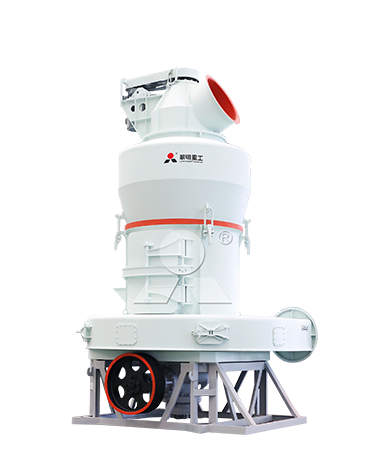
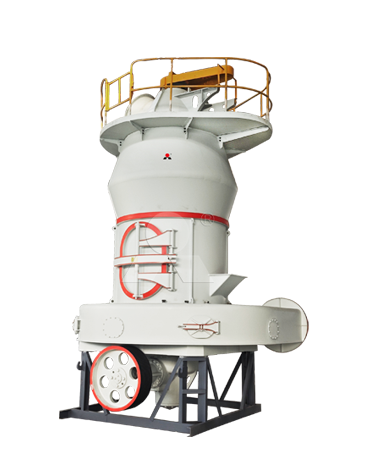
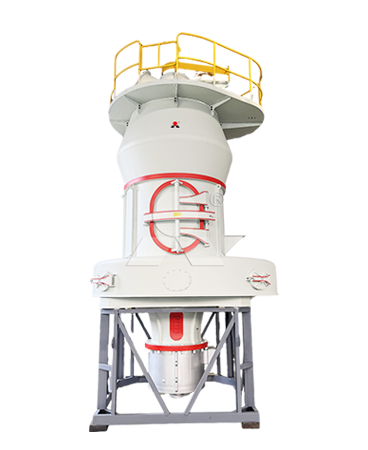
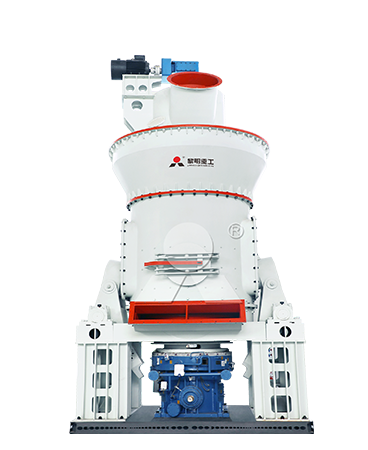
The grinding process is equally crucial, as the fineness distribution of the ground product and the purity of the finished powder will affect the quality of graphite products. The grinding process generally involves crushing and grinding the calcined petroleum coke through a crusher and grinder to obtain fine petroleum coke powder with a particle size of 200 mesh.
Step 3: Kneading and roasting
Mix petroleum coke powder and binders (such as asphalt, coal tar, etc.) in a certain proportion to form a green body with a certain shape and mechanical strength. Then put it into a roasting furnace and heat it to 1000-1200 ℃ under air isolation conditions to carbonize the binder and obtain the roasted product.
Step 4: Impregnation graphitization
The calcined product is loaded into a high-pressure vessel, and the liquid impregnating agent is pressed into the pores of the calcined product. The impregnation needs to be repeated 2-3 times, and finally enters the graphitization furnace. Through high temperature heat treatment at 2800-3000 ℃, the calcined product is transformed into a graphite crystalline structure, thereby obtaining graphite products with high purity and high conductivity.
CASES
-
>
400,000 TPA Chromite Ore Grinding Project
-
>
Lime Processing Enterprises
-
>
LM vertical roller mill for limestone powder making
-
>
Marble Processing Line
-
>
25TPH LM1700 Coal Grinding Mill In Shandong, China
-
>
15 TPH limestone powder production line in South Africa
-
>
LM190K Vertical Roller Mill For Limestone In Russia
-
>
Limestone powder production line
-
>
LM150N Vertical Mill, Process slag, 325mesh, 12tph
-
>
300,000-ton-per-year bauxite-based homogeneous material project
Learn More