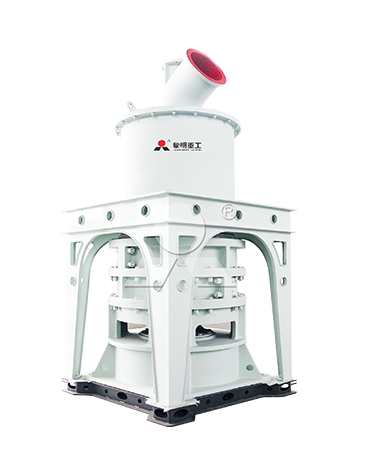
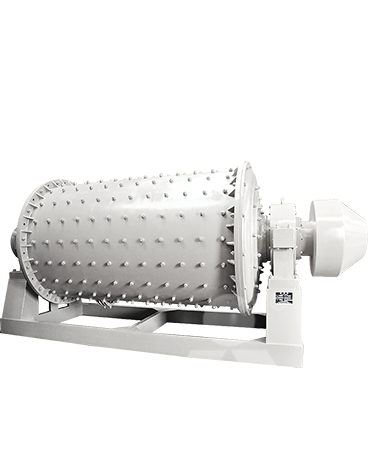
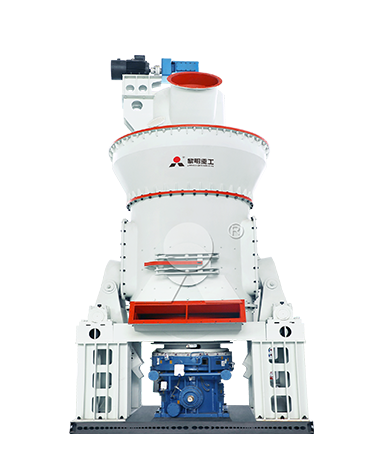
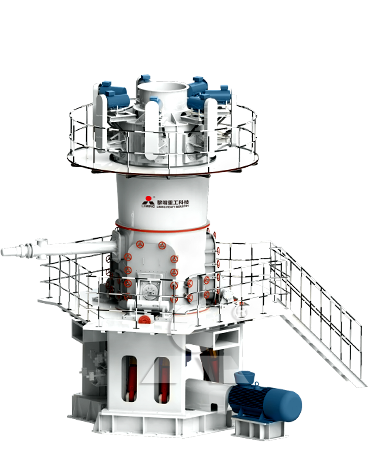
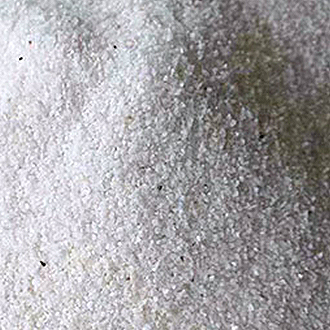
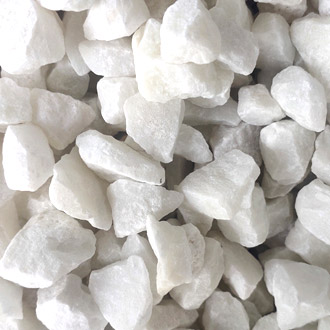
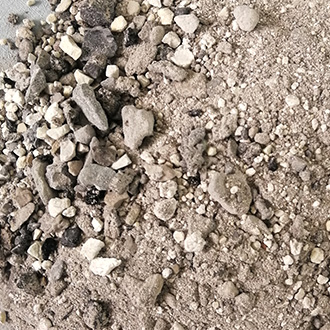
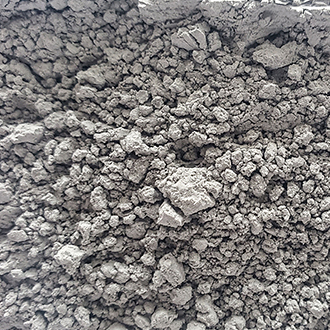
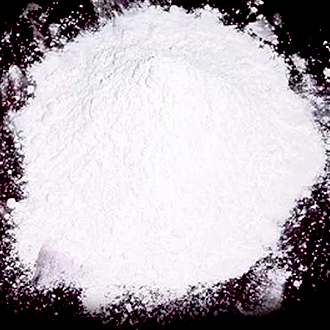
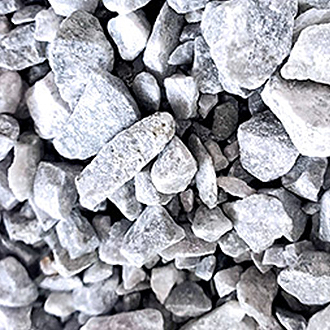
Processed Materials:
-
POP and gypsum board plant
-
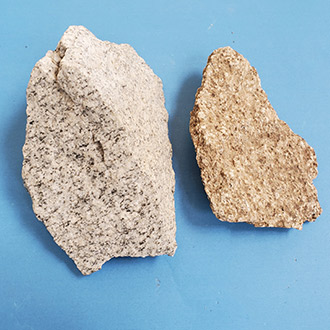
Marble mill
-
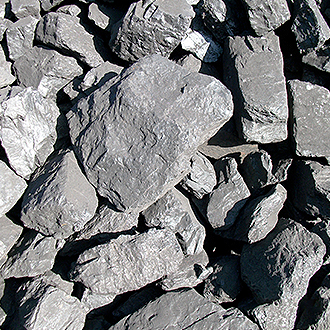
Carbon Black Grinding Mill
-
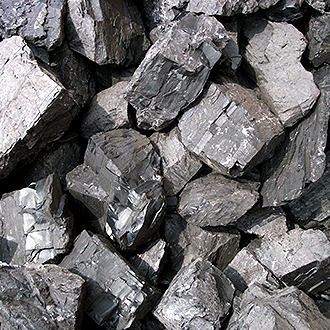
Coal Gangue Mill
Double wedge adjusting device, Elastic limit damping device
Applications:
Mining, metallurgy, construction, chemical, cement, refractory material, ceramics, etc.
Capacity: 20-800T/H
Input size: 20-40mm
Working Principle
Input dynamic by motor, the pulley drives eccentric shaft to make the movable jaw move upwards and downwards with SPC belt. When the movable jaw moves forth toward the fixed jaw, materials in the crushing cavity will be squashed or chopped. And then the movable jaw travels back, the chopped or squashed materials which met the requirements will be discharged from the outlet. Since the motor keeps working, the crusher will crush and discharge periodically to achieve mass production.

Specifications
Hot Sale: patented technology, high productivity, environmental protection and energy saving
FAQ
How to handle cavity jam in the C6X Series Jaw Crusher?
Jamming comes from oversize, foreign matter or uneven feed. Stop, cut power and tag out, then clear the stuck material—never poke while running. Frequent jams need checking feed size and de-ironing, or adjusting upstream crushing and adding a grizzly for compliant feed.
What are the core advantages of C6X jaw crusher vs traditional jaw crusher?
Compared with conventional jaw crushers, C6X features optimized frame, bearing assembly and crushing chamber. Large‑eccentric‑throw spindle delivers bigger stroke for higher crushing efficiency. Modular frame reduces welding stress and improves impact resistance. Standardized bearing seats simplify disassembly and maintenance. Noise‑reduction and shock‑absorbing design improve site conditions. It achieves higher throughput and lower energy consumption for heavy‑duty continuous mining operations.
Can C6X jaw crusher process construction‑waste recycled materials?
C6X jaw crusher can perform primary crushing for construction waste including concrete blocks and bricks. Construction waste frequently contains mixed steel bars and iron fragments which bring impact loads and may damage jaw plates or frame. Install magnetic iron‑removal equipment ahead of feeding to separate metallic contaminants. Hardness of construction waste fluctuates greatly, resulting in lower throughput compared with granite ore. Contaminant influence should be considered during capacity evaluation for model selection.
What materials can C6X series jaw crusher process?
C6X jaw crusher is designed for primary crushing. It handles high‑hardness materials like limestone, granite, basalt, iron ore, copper ore, as well as construction waste and quartzite. Its reinforced movable jaw and heavy‑duty frame suit feed with compressive strength ≤320 MPa. Widely applied in aggregate plants, metal mines and solid‑waste recycling lines. It accepts large lump raw ore and works with feeders for primary crushing to prepare feed for cone or impact crushers.
Does C6X jaw crusher suit wet‑crushing or dry‑crushing processes?
C6X is mainly designed for dry crushing and widely used for primary crushing in aggregate mines. Limited water‑spray dust suppression is allowed, yet heavy wet submerged crushing is not recommended. Mass mud and water entering bearings and hinge points will dilute grease and accelerate corrosion and wear. If wet processing is required on‑site, keep primary crushing dry with spray dust suppression. Sand washing and wet separation should be arranged in downstream procedures to protect transmission and lubrication assemblies.
How to handle severe vibration during C6X jaw crusher operation?
Stop and cut off power supply for troubleshooting. Check whether anchor bolts are loose and whether foundation has settlement or cracks. Inspect fasteners of jaw plates for loosening. Large non‑crushable foreign objects inside chamber also cause impact vibration. Loss of flywheel counterweights or damaged main‑shaft bearings may also produce heavy vibration. Never keep running under fault conditions. Check foundation, fasteners, wear parts and bearings, then perform no‑load test after fault removal.