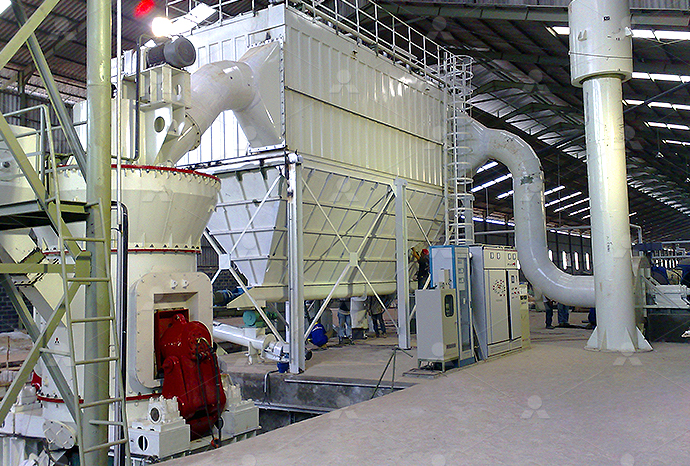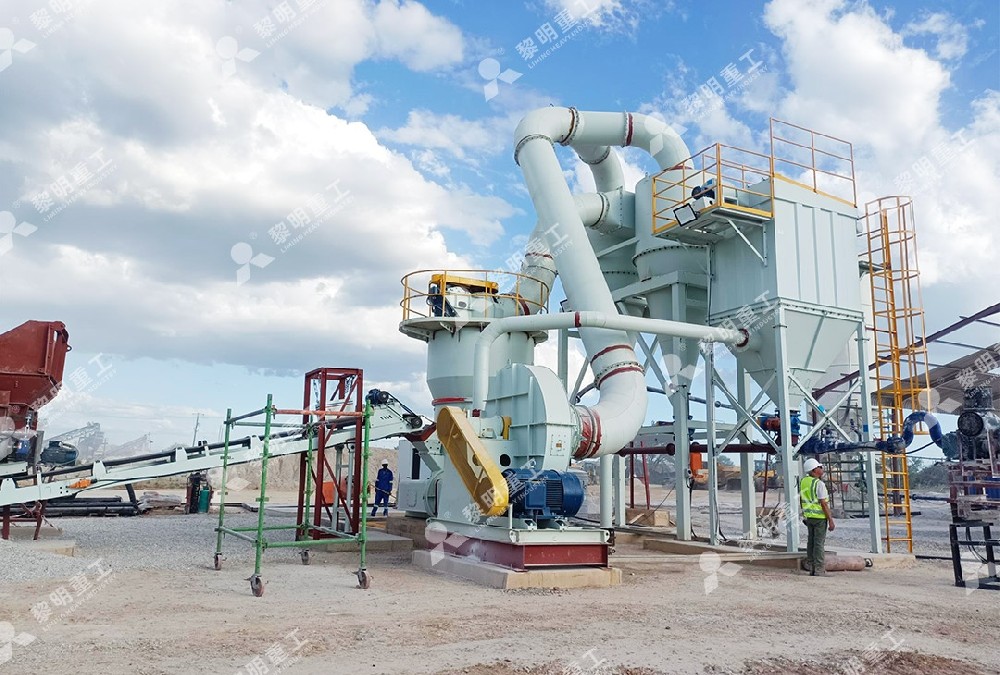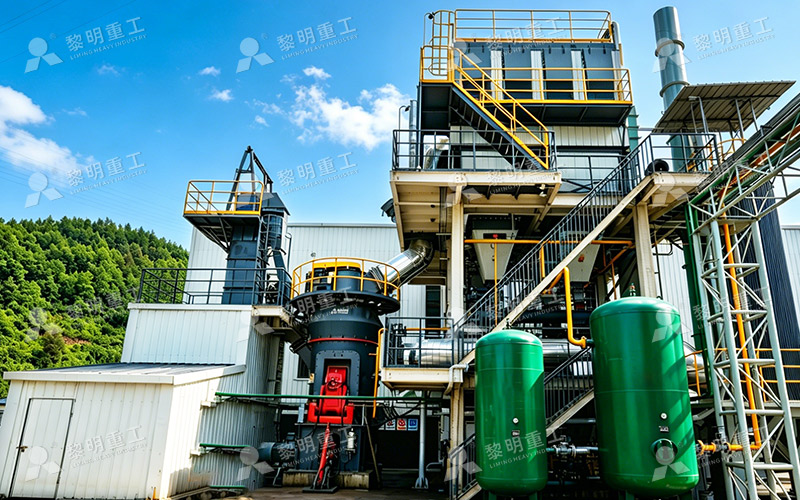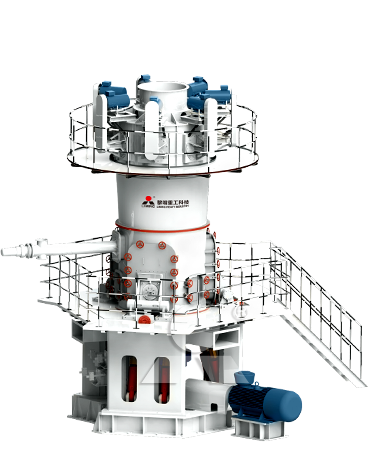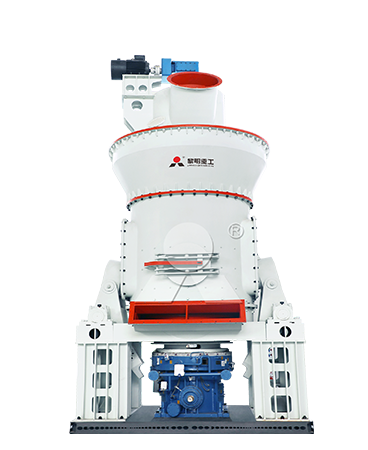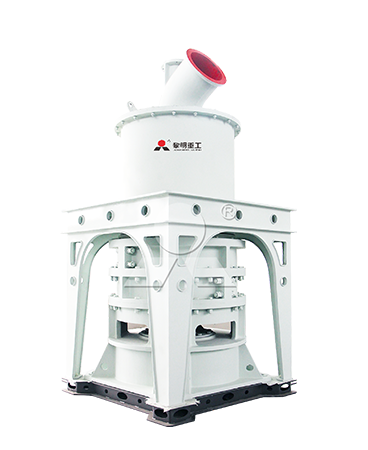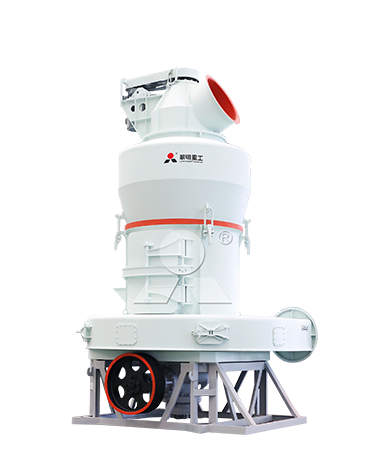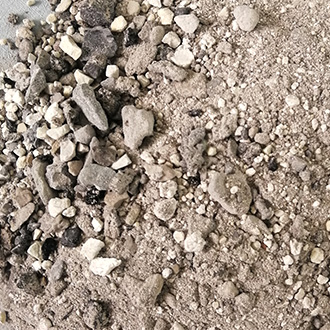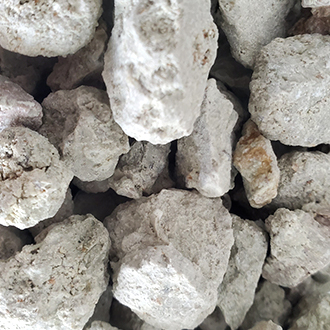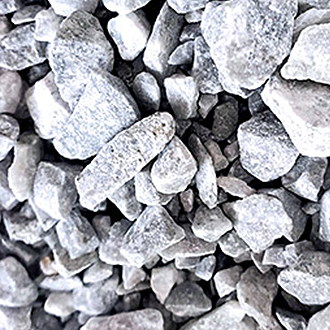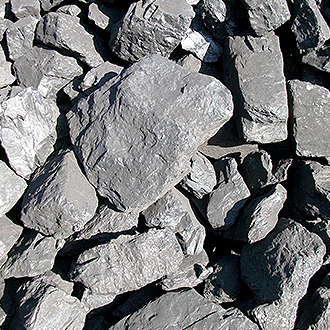
Processed Materials:
-
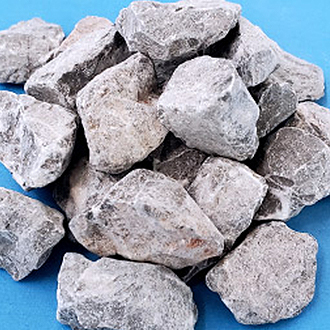
Limestone Grinding Mill
-

Silica sand processing plant
-
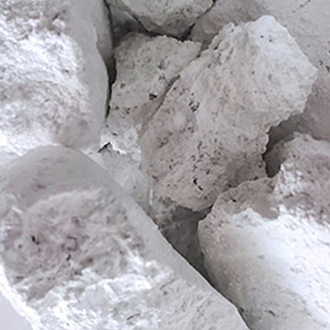
Kaolin mill
-
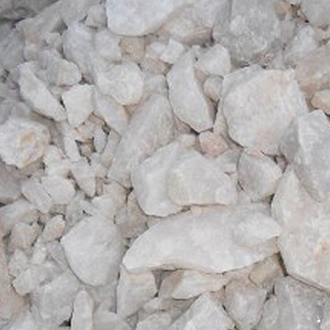
Quartz Stone Grinding Mill
SV Hyper-Energy Exciter, G-force
Applications:
Construction aggregates, metal mining, coal mining, chemical engineering, material recycling and etc.
Performance Advantages
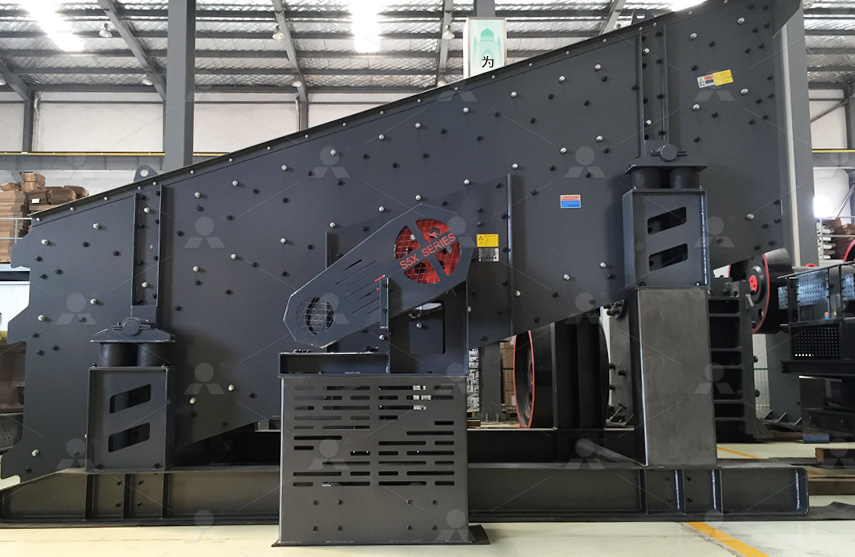
Since the screen adopts latest advanced design concept and manufacturing technique, it has enhanced vibrating strength G-force. It owns high throughout capacity, and more efficient screening capability.
The SV Hyper-Energy Exciter is standard configuration for S5X series vibrating screen, and it has high efficiency and solid reliability. SV1-SV4 four models of exciter, to adjust the quantity of balancing weight, apply to all kinds of vibrating screen’s different excitation force requirement. The spare parts of screen are swappable, universal, standard, and modular.
The screen frame adopts finite element analysis, enabled the design intensity, weight balance and fatigue stress control in a safety margin.
Driving motor and exciter adopts flexible drive, makes the operation smooth and stable.
The screen side frame is without any form of welding point, and the support seat adopts rubber spring. 400mm long feeding chute, 25mm thick rubber plate, and 5mm beam protection wrapper sheet, these component ensured the screen has extra-long service life.
Working Principle
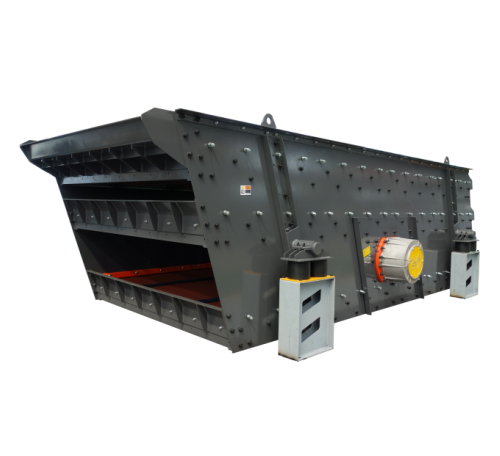
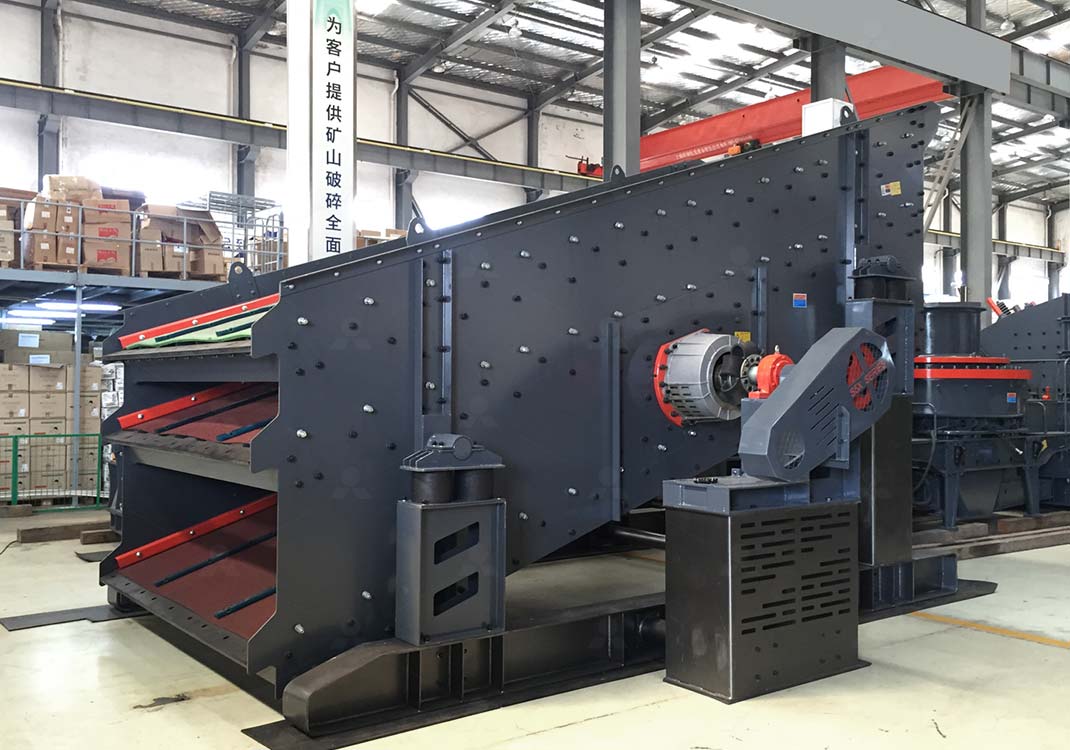
S5X vibrating screen is mainly composed of screen box, spring support groups, bearing, vibrators, transmission, motor, transmission bearings and other components. S5X vibrating screen is a machine supported by springs , block eccentric vibration as the exciter source and generated excitation force by the rotation of the eccentric , So that the screen box circumferential consequent reciprocation. The material on the inclined sieve surface successive approximation in round bouncing tumbling motion, by repeatedly comparing with mesh, smaller than the mesh size of the material through the sieve, larger than the screen hole size of materials still on the screen mesh, thereby completing the screening process.
Specifications
Hot Sale: patented technology, high productivity, environmental protection and energy saving
FAQ
What are main differences between circular‑motion S5X screen and linear vibrating screen?
S5X features circular‑motion trajectory. Screen box moves in quasi‑circular orbit to throw material upward‑forward for high screening efficiency for medium‑coarse aggregate. Linear screen performs reciprocating straight‑line motion and suits sand dewatering. Circular‑motion units deliver stronger excitation force and higher impact resistance for lump feed directly from crusher. Linear screens are preferred for dewatering after sand washing. S5X is not designed for heavy‑sludge dewatering and mainly serves dry or semi‑dry classification in crushing processes.
What negative impacts are brought by large feed drop height for S5X circular vibrating screen and how to mitigate them?
Excessive drop height from crusher causes violent material impact, accelerating mesh cracking and local fatigue damage of screen box. One‑sided impact leads to uneven material distribution, reduces screening efficiency and raises noise level. Install buffer chutes and baffle plates to absorb impact energy and spread material evenly across full deck width. Lower feeding height if possible. Avoid vertical heavy lump impact directly onto mesh surface to reduce shock‑related failures and extend service life of mesh and screen box.
How many screen decks does S5X circular vibrating screen support and what functions do they realize?
S5X circular vibrating screen can be equipped with 1‑4 screen decks; deck quantity determines number of finished fractions. Single deck is for simple pre‑screening to remove large impurities. Two decks produce three material fractions. Three decks output four aggregate products. Four‑deck configuration realizes multi‑fraction fine classification. Upper decks adopt large apertures to retain lumps; lower decks use small apertures for fine‑aggregate separation. Select deck number according to product requirements. More decks increase overall height, requiring matched layout for chutes, hoppers and conveyors.
How to troubleshoot low screening efficiency with excessive over‑size particles in finished products of S5X screen?
Poor efficiency and over‑size contaminants in finished goods are firstly checked against torn screen meshes. Then verify deck inclination and amplitude setting. High feed moisture and clay clog apertures and weaken sifting capacity. Biased feeding concentrating material on partial deck area also degrades classification performance. Adjust feed deflector for even material distribution, clean plugged apertures, replace damaged mesh, and re‑calibrate inclination and excitation counter‑weight to restore screening performance.
Why does S5X circular vibrating screen vibrate abnormally under loaded condition while no‑load operation runs smoothly?
Smooth no‑load vibration but abnormal shaking under load is mostly caused by uneven material load. Biased feeding creates unbalanced load; partial mesh plugging leads to local material accumulation. Individual spring stiffness decay also produces force imbalance under material weight. Loosened or displaced vibrator eccentric blocks break excitation balance under working load. Shut down and inspect material distribution, mesh clogging, spring condition and eccentric‑block locking before resuming material‑feeding production.
How to adjust deck inclination angle of S5X circular vibrating screen and what production changes will it bring?
Deck inclination angle of S5X screen is adjusted by modifying height of support spring seats, typical operating range 12‑20°. Larger angle accelerates material travelling speed and raises throughput yet shortens retention time and reduces classification accuracy. Smaller angle slows material flow for better sifting performance and higher precision at cost of lower hourly capacity. For closed‑circuit crushing, balance throughput and screening efficiency. Do not maximize angle blindly. Optimize setting according to particle size and feed moisture.