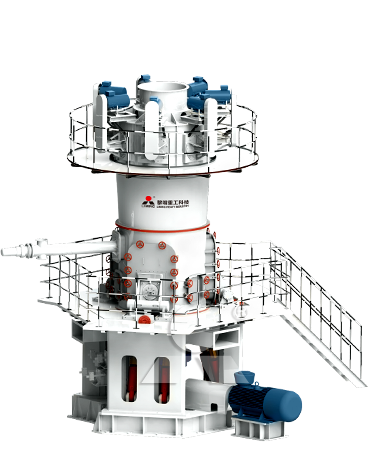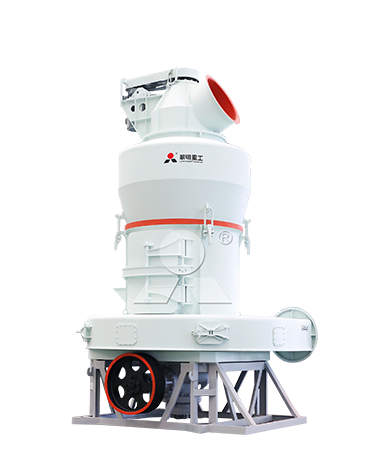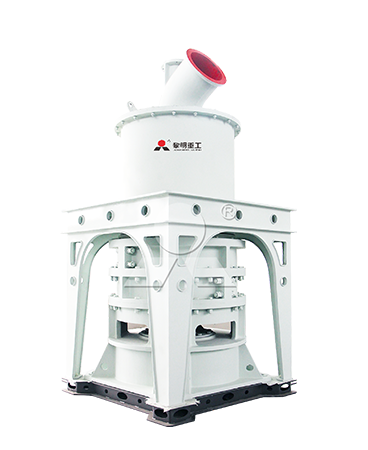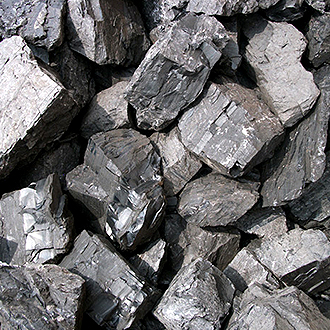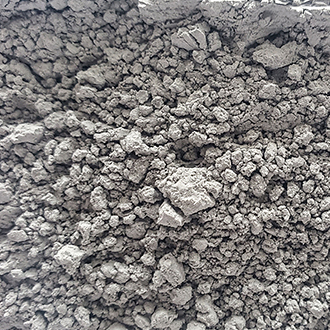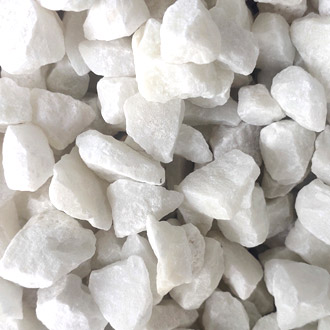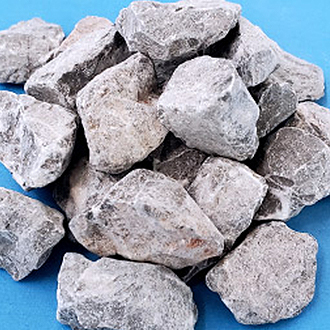
Processed Materials:
-
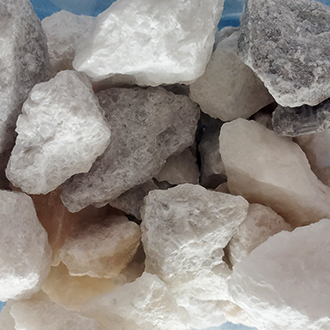
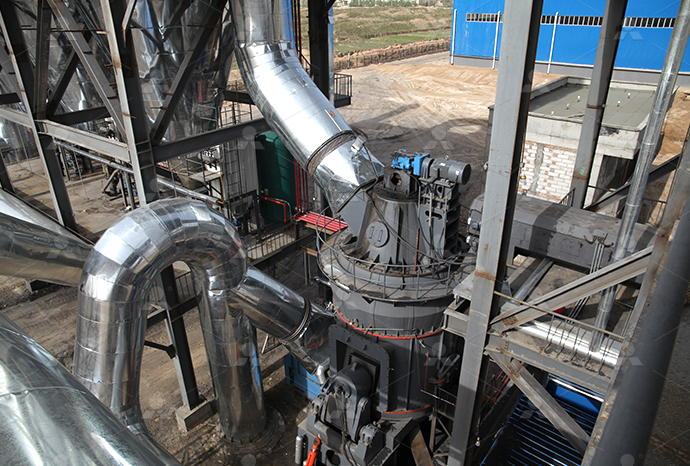
Calcite mill
-
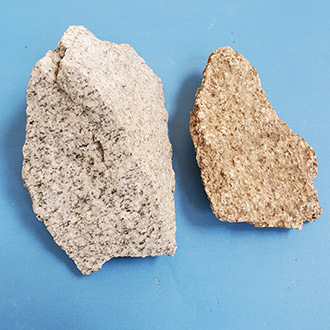
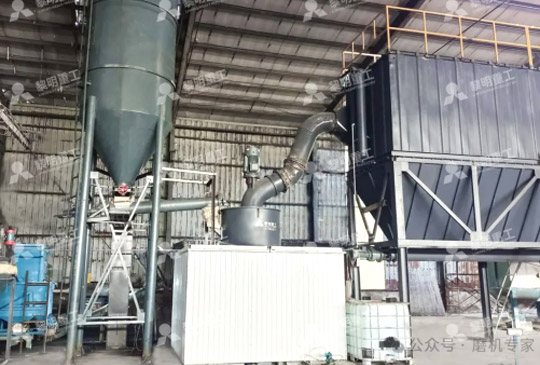
Marble mill
-
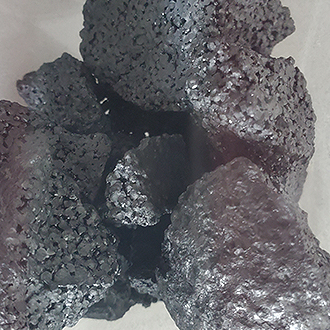
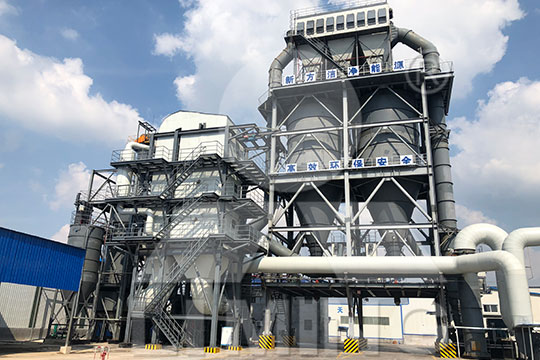
Petroleum coke grinding mill
-
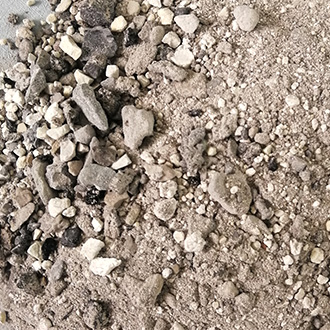
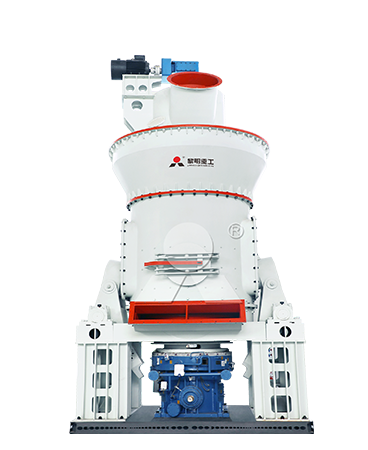
Slag Grinding Mill
Applications:
Metallic and non-metallic ores, building materials, artificial sand making, metallurgical slag
Capacity: 109-1510t/h
Input size: ≤60mm
Performance Advantages
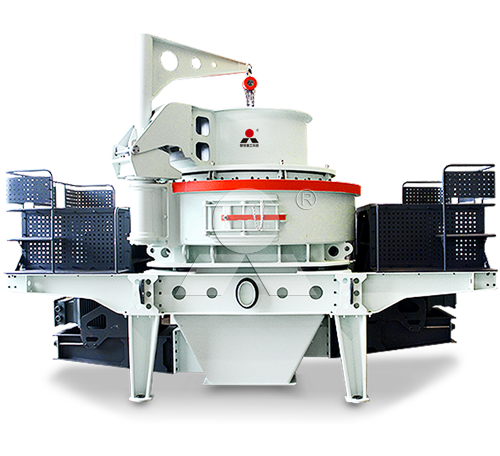
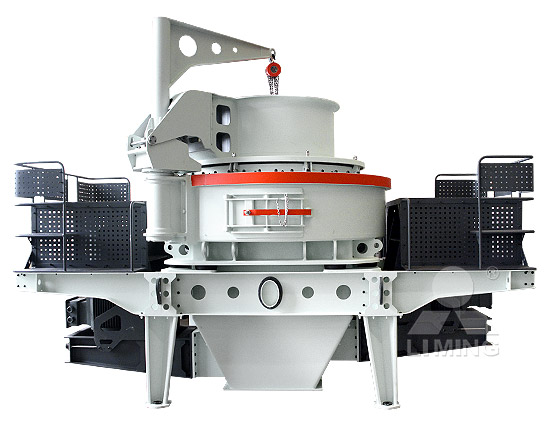
Optimized crushing chamber structure enables rapid switching between two crushing modes: rock-on-rock and rock-on-iron. In rock-on-rock mode, the addition of material layer partition plates forms a dense and stable stone layer. Even when processing medium and high hardness stones, more cubical finished products can be obtained. In rock-on-iron mode, the installation angle of impact blocks is optimized to reduce energy loss and achieve a higher reduction ratio.
Key components including the impeller, bearing housing and lower machine body are newly designed. The impeller adopts a four-port design to increase material throughput and the probability of material collision. The bearing housing is equipped with a unique exhaust dust-proof device and sealing structure to prevent dust ingress which would cause oil leakage at the lower bearing cover. The lower machine body is redesigned from a grid structure to a cross structure to avoid blockage of the discharge channel.
Thin oil lubrication is adopted with an air cooling system. Controlled by PLC and intelligent instruments, it realizes fully automatic lubrication control with adjustable lubrication temperature, providing more ideal working conditions for bearings.
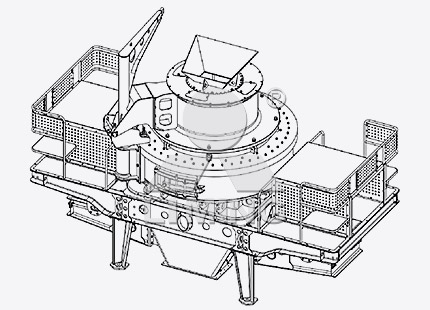
Comes standard with a self-hoisting arm, coaxial with the lifting arm to facilitate maintenance of the impeller and bearing housing. A hydraulic jack is used to lift the feed hopper for easy maintenance. The guardrail height is reduced to avoid interference when the feed hopper is swung open.
Working Principle
The motor drives the main shaft to make the impeller to rotate at a high speed. The material which entered impeller will speed up and ejected to crushing chamber, and then impact with the material liner that shaped in crushing chamber. In this process, to make the kinetic energy got from speeding up transform to energy need for crushing and shaping. The material will recycle for many times in the crushing chamber. After many times crushing and shaping, by the function of around gas eddy, to achieve constantly crushing and shaping. The final products are discharged from bottom outlet of machine body. This crushing method is ‘crushing between materials’, and it is used for material shaping. Besides, this machine also has another crushing method ‘crushing between material and liner’. To compare with ‘crushing between materials’, the difference is: After material ejected from impeller, the material will impact with liner installed in crushing chamber. After impacting, the material will discharge from bottom outlet of machine body directly, and it does not recycle many times in crushing chamber. This crushing method is mainly used for crushing (target for large crushing ratio).
Specifications
Hot Sale: patented technology, high productivity, environmental protection and energy saving
FAQ
How does the LM Vertical Roller Mill handle metallic iron in feed?
Metallic iron accelerates roller wear and can damage the mill, so the LM Vertical Roller Mill requires suspended separators and metal detectors upstream with periodic cleaning. Abnormal vibration and current monitoring can also detect tramp metal to protect core wear parts.
Can the LM Vertical Roller Mill be used for cement raw meal preparation?
Yes. The LM Vertical Roller Mill is a mature choice for cement raw meal, grinding and drying limestone, clay and iron powder to meal fineness with classification and homogenization. Its low energy and stable quality fit new dry-process cement, the mainstream for raw meal.
What is the role of the LM Vertical Roller Mill hydraulic system?
The LM Vertical Roller Mill hydraulic system applies and stabilizes roller pressure and lifts or drops rollers. Lifting eases maintenance access; in operation pressure is fine-tuned by bed thickness to optimize efficiency. The unit has accumulators to cushion shock, protecting rollers and bearings.
What is the finished product fineness range of the LM Vertical Roller Mill?
The LM Vertical Roller Mill suits dry grinding of non-minerals and cement raw meal; product fineness is usually 80–325 mesh, with some configs reaching 400 mesh (about 0.038 mm). Coordinated dynamic-analyzer speed and airflow stably yield uniform powder for building and chemical industries.
What is the automation and central-control level of the LM Vertical Roller Mill?
The LM vertical roller mill is equipped with a complete DCS or PLC central control system, which can achieve one click start stop, automatic load distribution, fault interlocking, and data cloud upload. The operator can monitor the entire system operation from the central control room, and optimize the air to material ratio with intelligent algorithms, basically achieving unmanned and less manpower production.
How is product collection and conveying achieved on the LM Vertical Roller Mill?
Qualified powder is captured by the bag collector and sent via rotary valve and air slide or pneumatic pump to the product silo. Negative-pressure operation ensures high recovery with no dust, and can link with homogenizing and bulk-loading for storage and sales.