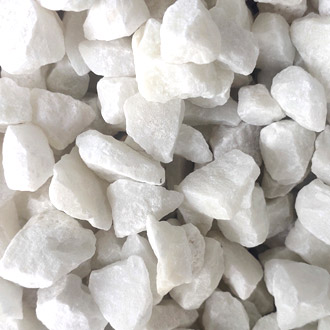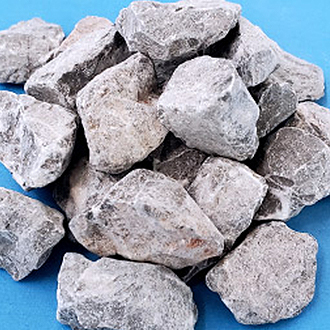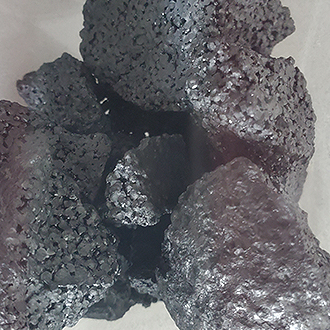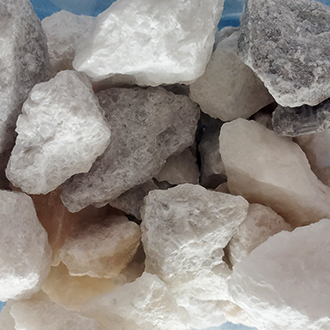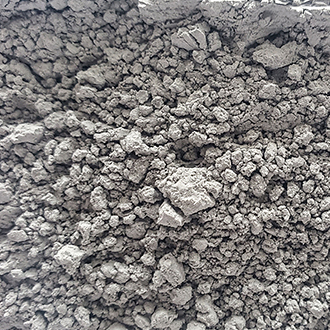
Processed Materials:
-
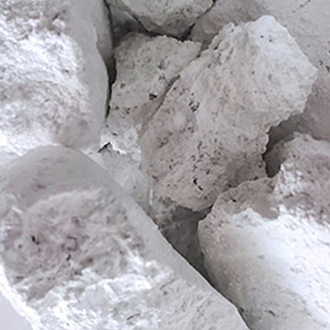
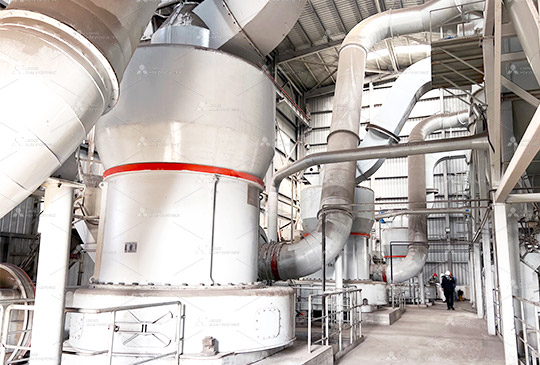
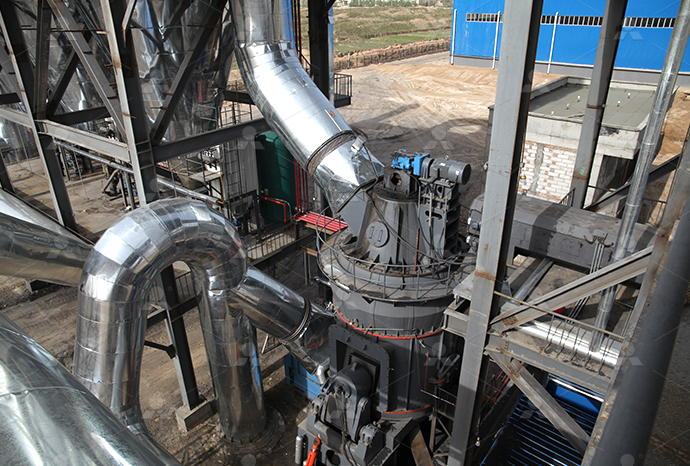
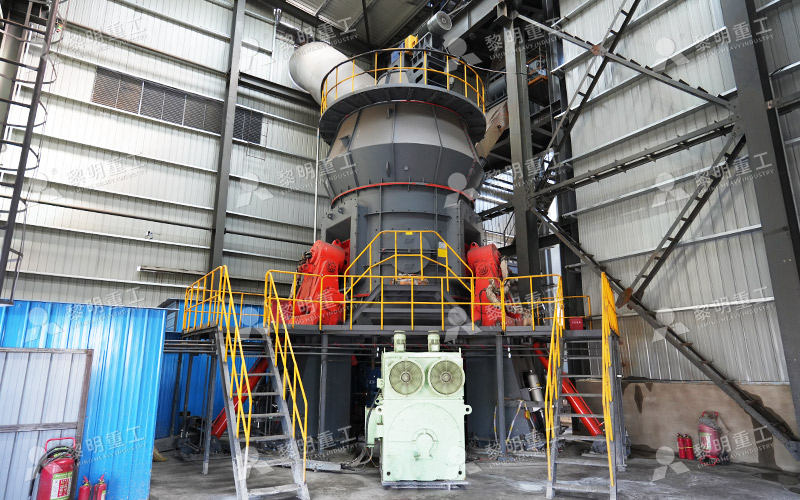
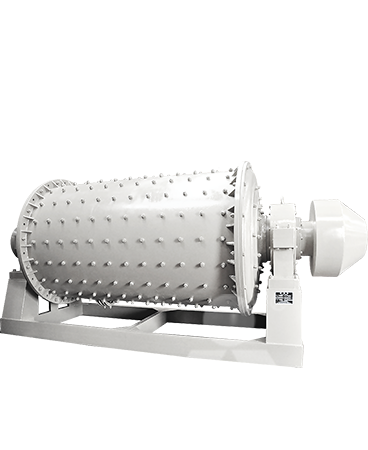
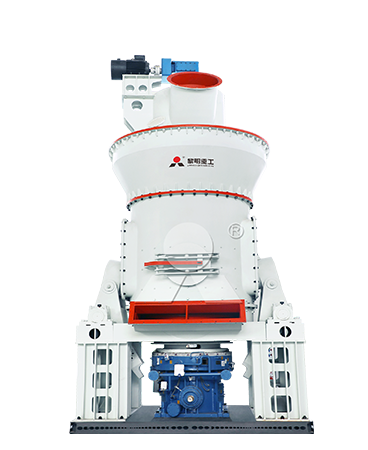
Kaolin mill
-
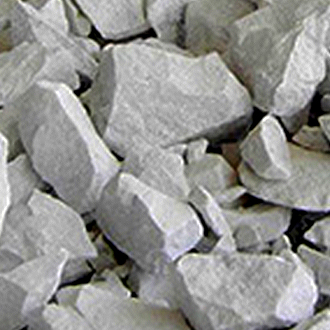
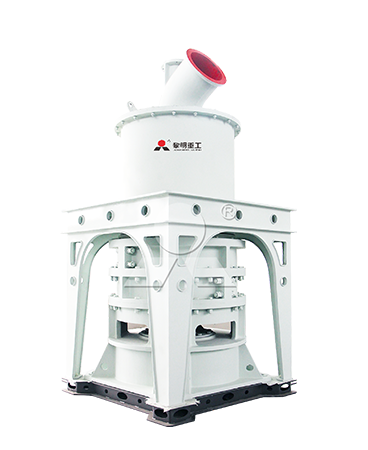
Heavy calcium carbonate mill
-
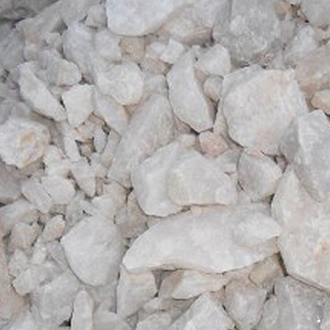
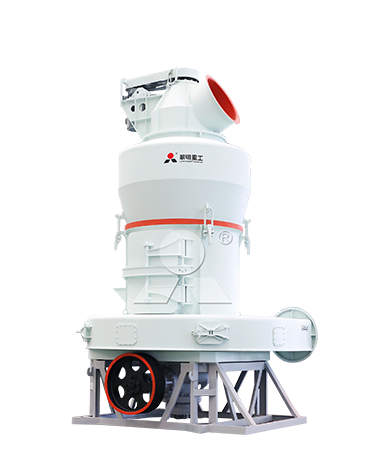
Quartz Stone Grinding Mill
-
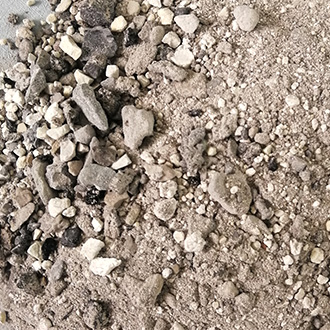
Slag Grinding Mill
Applications:
Calcium carbonate crushing processing, gypsum crushing processing, power plant desulfurization, non-metallic ore pulverizing, pulverized coal preparation.
Capacity: 1.2-4.5T/H
Input size: 15-25mm
Performance Advantages
Low loss and high fineness: tear and wear parts use high-quality wear-resistant materials, the serve life is more than a year, final fineness up to D97 ≤ 5μm at one time.
With centralized control electrical system, the workshop can basically achieve unmanned operation.
Easy to control and maintain, reliable operation. The core components adopt high-performance wear-resistant materials, high wear resistance, cost-saving.
Working Principle
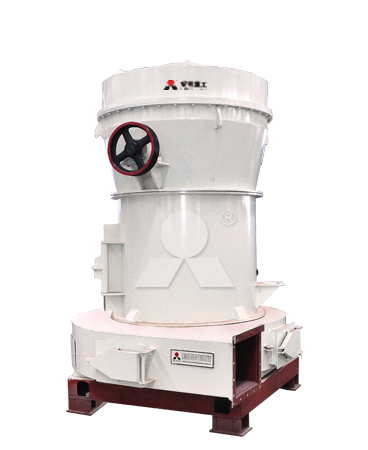
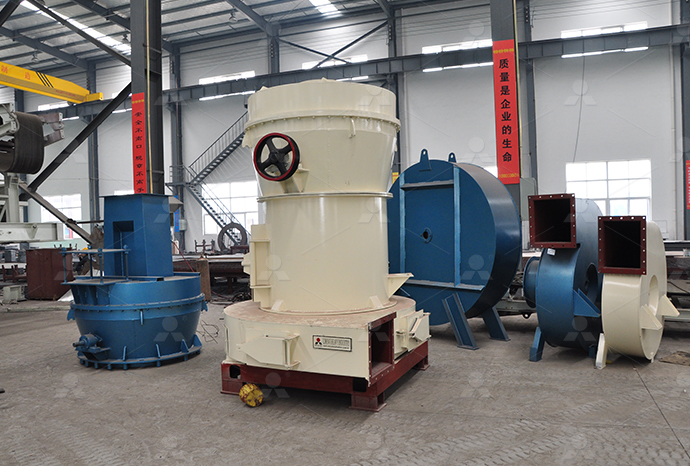
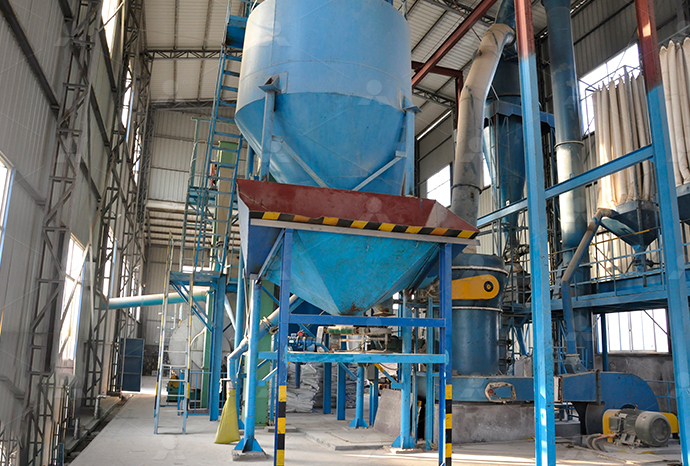
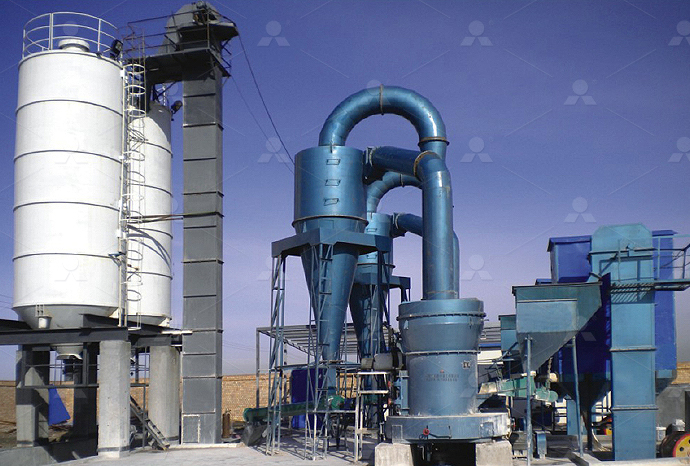
The whole structure of Raymond mill is composed of mainframe, separator, pipeline installation, blower, jaw crusher, hopper, electromagnetic vibrating feeder and electric control motor. The host of Raymond mill contains air volute, blade, grinding roller, grinding ring, shell and motor.Raw material is crushed by jaw crusher to the size required, then output products are elevated into a hopper from which the material is transported through the electro-magnetic vibrating feeder, evenly and continuously into the grinding chamber for powder processing.
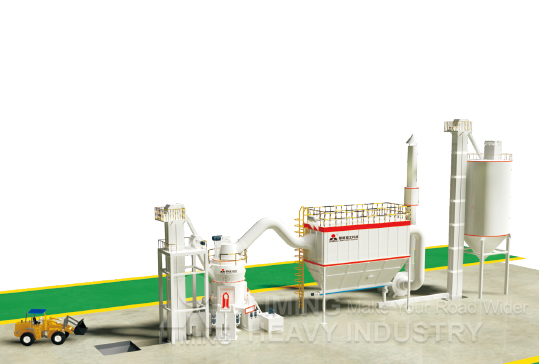
Specifications
Hot Sale: patented technology, high productivity, environmental protection and energy saving
FAQ
What is the maximum feed size of the Raymond Mill?
The Raymond Mill feed size is generally below 20–30 mm (varying by model); oversize raises roller impact and wear. Pre-crush with a jaw crusher for stable operation and longer life of scrapers, rollers and other wear parts.
What hourly production capacity does the Raymond Mill cover?
The Raymond Mill is grouped by roller count into 3R, 4R, 5R and 6R series with capacity from 1 to over 20 t/h. Small 3R suits labs and micro plants; the 6R exceeds 20 t/h. Select by material and target fineness.
How does the Raymond Mill centrifugal analyzer classify?
The Raymond Mill uses a centrifugal analyzer whose impeller speed sets fineness: higher speed gives finer product, lower gives coarser. Qualified fines go with airflow to the large cyclone collector while coarse returns to the chamber, keeping size distribution narrow.
How does the Raymond Mill differ from the MTW European Type Trapezium Mill?
The Raymond Mill is simpler and cheaper, suiting small/medium scale and multi-variety changeover; the MTW European Type Trapezium Mill uses bevel-gear integral drive and thin-oil lubrication for larger capacity, lower energy and higher automation. Pick Raymond for budget and moderate output, MTW for scale and intelligence.
Which materials is the Raymond Mill suitable for processing?
The Raymond Mill is ideal for non-flammable, non-explosive materials with Mohs hardness below 7 and moisture under 6%, such as limestone, calcite, dolomite, marble, gypsum, heavy calcium carbonate, bentonite, kaolin, bauxite, barite, talc and feldspar.
What grinding and transmission method does the Raymond Mill use?
The Raymond Mill presses rollers against the ring by centrifugal force; the shaft drives scrapers to lift material while rollers revolve and spin to crush it. The main unit is driven by a reducer for smooth transmission. This spring-loaded design is simple and easy to maintain—the most widely used pendulum mill.