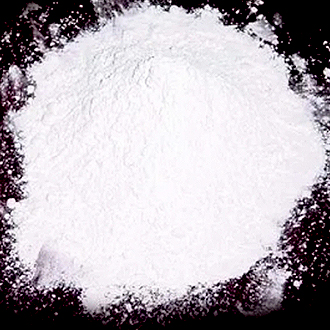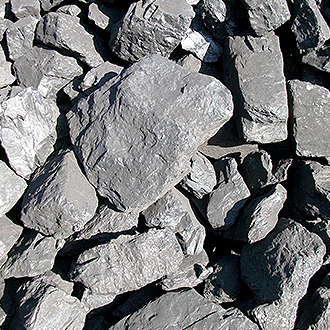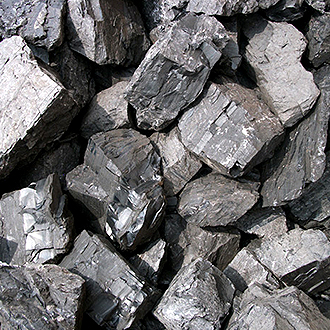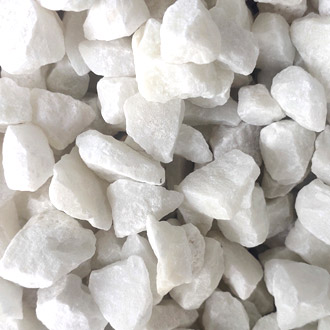
Processed Materials:
-
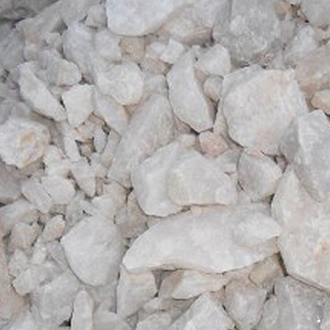
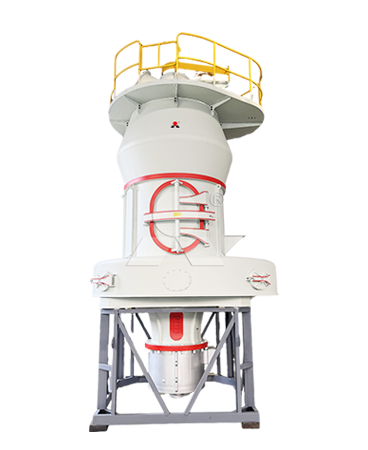
Quartz Stone Grinding Mill
-
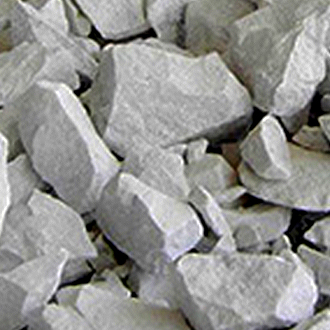
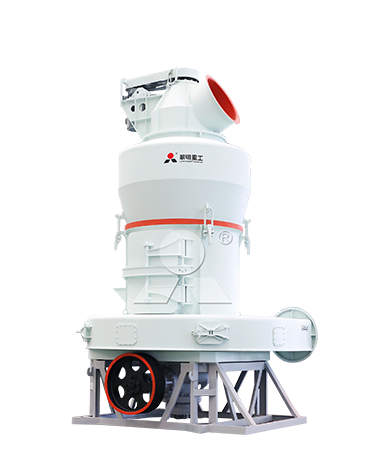
Heavy calcium carbonate mill
-
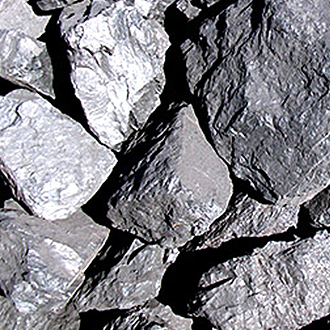
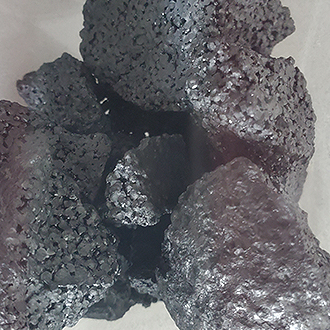
Coal powder plant
-
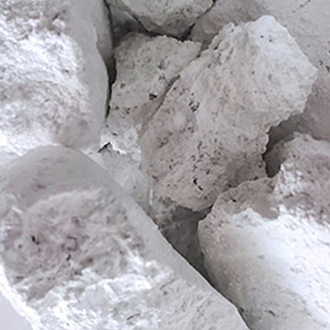
Kaolin mill
Applications:
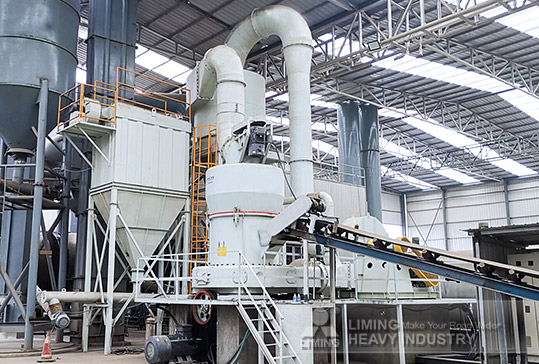
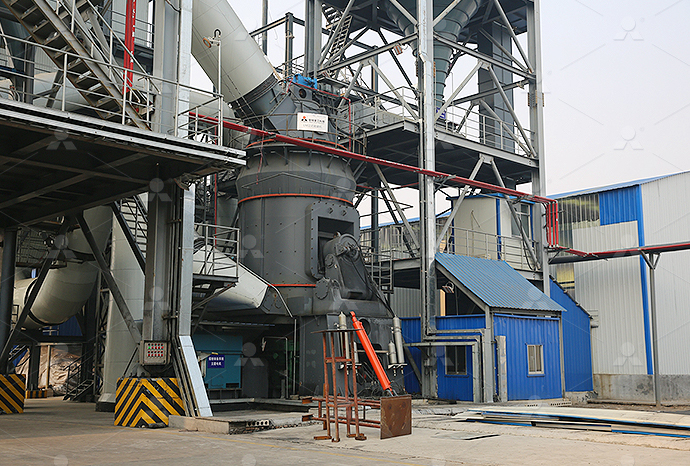
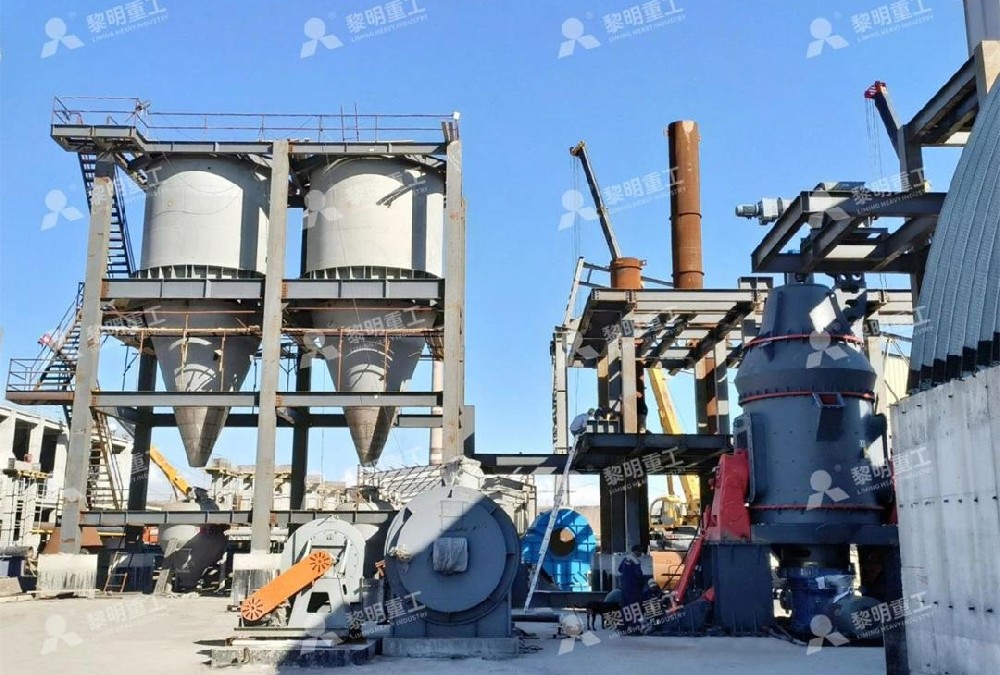
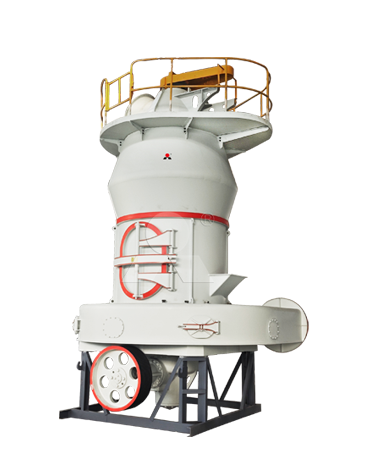
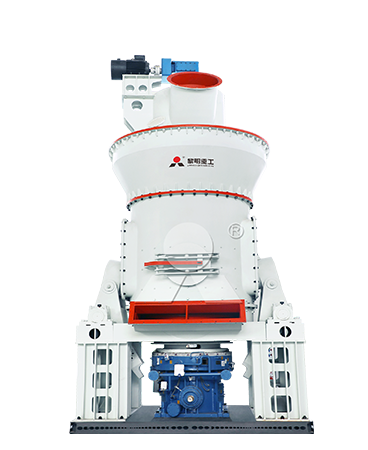
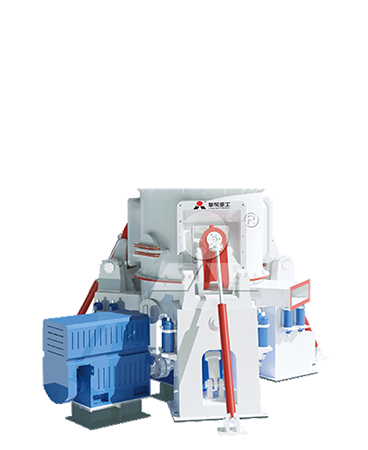
LM sand powder vertical mill is a kind of ultra-fine sand making and powder grinding equipment, which is mainly suitable for the prefabricated sand powder process before the crushing of mineral products such as metallurgy, building materials, chemicals, and mines. It is specially used for the preparation of special mortar fine aggregates. The finished sand powder of each grade can be prepared.
Capacity: 30-900T/H
Input size: <30-55mm
Performance Advantages
Sand and powder are produced at the same time, one machine has multiple uses Ultra-fine sand making and grinding equipment can prepare finished sand powder of various gradations.
It has a number of independent patent technologies and intellectual property rights, the main technical and economic indicators have reached the international advanced level.
The gradation of finished sand powder is adjustable and controllable, and the product has high added value.
High production efficiency, low operating cost, simple operation, convenient maintenance, energy saving and environmental protection.
It solves the industry pain points of low yield and high energy consumption of conventional sand making equipment, and realizes the ideal preparation of high-quality graded sand for special mortar.
The system is simple, the layout is compact, and the footprint is small.
Working Principle
The main motor drives the grinding disc to rotate through the reducer, and the material falls from the feeding port to the center of the grinding disc. Under the action of centrifugal force, the material moves uniformly from the center of the grinding disc to the edge and passes through the crushing roller area on the grinding disc, and is crushed by the grinding roller. The bulk material is directly crushed, and the fine-grained material is squeezed to form a material bed for intergranular crushing. The crushed material continues to move towards the edge of the grinding disc until it is thrown out of the grinding disc by the centrifugal force of the grinding disc, falls to the lower chamber of the mill, and is scraped into the discharge port by the scraper installed at the bottom of the grinding disc and then outside of the mill. The material is sorted in the external sorting or separation equipment, and the bulk or large particle material that exceeds the particle size of the finished product is recirculated into the mill for re-grinding until it reaches the appropriate particle size.

Specifications
Hot Sale: patented technology, high productivity, environmental protection and energy saving
FAQ
What process‑level reasons cause continuously excessive recirculating material for LM sand‑powder vertical mill?
Excessive recirculation mainly comes from insufficient grinding pressure leading to poor material‑bed crushing. Second, check air‑ring wind speed: low velocity fails to lift qualified particles, while over‑high velocity lifts coarse fractions and increases circulation load. Over‑feeding triggers material accumulation and higher recirculation. Do not increase feeding blindly. Verify grinding pressure and air velocity, stabilize grinding‑table material‑bed thickness before adjusting feed load.
What easily‑ignored process pitfalls exist for LM sand‑powder vertical mill selection in new sand‑powder projects?
Many buyers only refer to nameplate capacity and ignore output‑ratio influence; higher sand proportion reduces total throughput. Mixing‑up ordinary vertical mill and sand‑powder mill is another trap, as standard mill lacks bottom sand‑discharge structure for qualified manufactured sand. Poor pipeline sealing causes air leakage and higher power consumption. Confirm target sand‑powder ratio and mortar‑grade indicators, conduct process calculation instead of copying powder‑project parameters.
What cascading damage will metal foreign objects bring to LM sand‑powder vertical mill and what on‑site protection measures shall be adopted?
Metal pieces break through material bed instantly and trigger violent vibration, local chipping of roller sleeves and table liners, even damage reducer gear pairs. Manual inspection cannot fully block metal impurities. Install iron remover plus metal‑detector interlock at feeding section, trigger alarm, feed‑reduction or shutdown once metal is detected. Calibrate iron‑removal equipment regularly to reduce sudden accidents caused by tramp metal.
What is the core structural logic for simultaneous sand‑powder output of LM sand‑powder vertical mill?
LM sand‑powder vertical mill adopts material‑bed roller‑press crushing. Lower scraper mechanism discharges coarse sand, while fine particles go through top classifier for powder collection. It produces manufactured sand and powder in one single mill without two separate units. Sand‑powder ratio is adjusted by dam‑ring height, grinding pressure, air flow and classifier speed. Different from ordinary vertical mill, it is engineered for graded sand of mortar with one‑feed dual‑output process.
How to adjust mass ratio between manufactured sand and fine powder for LM sand‑powder vertical mill?
Sand‑powder ratio is jointly controlled by dam‑ring height, hydraulic grinding pressure, system air volume and classifier speed. Higher dam‑ring prolongs material retention time and increases powder ratio. Larger grinding pressure strengthens crushing and produces more fines. Larger air volume carries more fine particles; higher classifier speed intercepts coarse fractions. Avoid large single‑parameter modification. Tune parameters slightly, sample‑test grading and approach target ratio step‑by‑step.
Compared with conventional crushing‑plus‑ball‑mill sand‑powder line, what layout and civil‑work differences does LM sand‑powder vertical mill have?
Traditional crushing‑ball‑mill scheme needs multiple equipment sets, multi‑story heavy‑load civil‑work buildings and long construction period. LM sand‑powder mill integrates crushing, drying, classification and sand discharging, featuring smaller footprint and lower foundation load, supporting open‑air layout and cutting civil‑work investment. However its overall height is large, demanding sufficient building height, lifting space and pipeline arrangement. Match equipment parameters in early civil‑drawing phase.